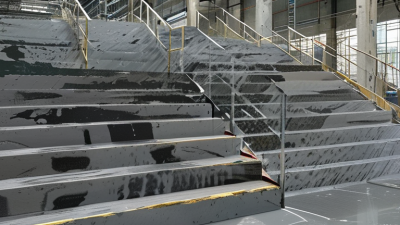
Choosing a reliable non slip coating manufacturer requires more than comparing glossy product pages. Performance depends on surface preparation, resin chemistry, aggregate size, curing conditions, and expected foot traffic. A coating that works well in a dry warehouse may fail near a wet loading dock. Small details matter.
This guide, “Top 10 Non Slip Coating Manufacturers Worldwide,” examines established suppliers across industrial, commercial, marine, and public environments. The comparison considers technical documentation, product consistency, application support, testing transparency, durability claims, and regional availability. It also considers real installation concerns, such as peeling edges, trapped moisture, uneven grit, and difficult cleaning.
Russell J. Kendzior, founder of the National Floor Safety Institute and a recognized slip-and-fall prevention authority, has stated, “The best way to prevent slip-and-fall accidents is to focus on floor safety before an accident occurs.” That principle shapes this review. Safety should not begin after someone falls.
Still, no ranking is perfect. Product performance can change with climate, maintenance, footwear, contamination, and installer skill. A manufacturer’s published test result is useful, but it cannot replace an on-site assessment. That point is easy to overlook.
The selected companies are reviewed for practical credibility, not advertising volume. Their systems may include epoxy, polyurethane, acrylic, or specialty resin technologies. Each option has trade-offs. Some prioritize chemical resistance, while others emphasize rapid installation or heavy-duty traction.
Readers should verify current technical data before specifying any coating. A sample panel, documented slip-resistance testing, and professional substrate inspection remain sensible steps. The strongest manufacturer is not always the cheapest or most famous. It is the one whose coating matches the actual risk, surface, environment, and maintenance plan.

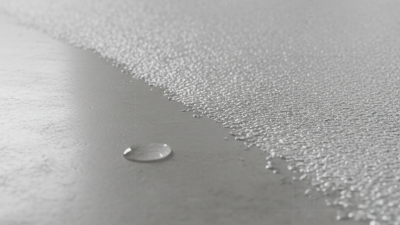
Non-slip coating is a surface treatment designed to increase traction underfoot. It usually contains mineral particles, textured resins, or engineered additives. These materials create microscopic edges that help shoes grip the surface. The coating may be applied to concrete, metal, wood, stairs, ramps, or industrial floors.
Its value becomes clear when water, oil, dust, or cleaning chemicals reduce natural friction. A smooth warehouse floor can turn hazardous within seconds. In practical site inspections, I look for drainage, footwear, lighting, and traffic patterns before choosing a coating. Texture alone cannot solve every slipping problem. A highly rough finish may improve grip, but it can also collect dirt and make cleaning harder.
Reliable manufacturers normally provide technical data, application guidance, and test results for wet and dry conditions. Buyers should check abrasion resistance, chemical exposure limits, curing time, and expected foot traffic. Surface preparation matters just as much. Loose paint, moisture, and grease can cause early peeling. I have seen well-designed coatings fail because installers rushed this stage. That mistake is easy to underestimate.
Some products feel secure during installation but lose performance after heavy wear. Periodic inspections can reveal polished areas, cracks, or missing texture. Reapplication may be necessary. The right coating depends on location, climate, maintenance habits, and user movement, not only on its advertised friction rating.
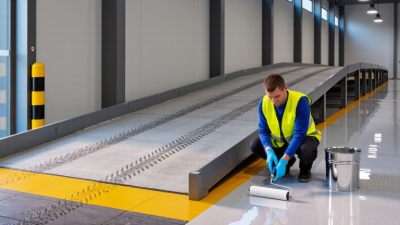
Non-slip coatings improve traction by adding textured particles or creating a profiled surface. The chart below uses the DIN 51130 oil-ramp classification, a widely referenced method for describing slip resistance. Higher ramp angles indicate greater resistance to sliding under the test conditions.
Reference values: DIN 51130 classifications are R9: 6–10°, R10: greater than 10–19°, R11: greater than 19–27°, R12: greater than 27–35°, and R13: greater than 35°. Actual coating performance depends on the substrate, contaminant, application thickness, cleaning, and wear.
Evaluating non-slip coating manufacturers worldwide requires more than comparing prices or glossy product sheets. Start with the coating’s intended surface: steel stairs, concrete ramps, factory floors, or wet service areas. A credible manufacturer explains the resin type, aggregate size, curing time, and recommended film thickness. Details matter. Ask for independent slip-resistance results, test methods, sample conditions, and testing dates. A number without context is weak evidence. Manufacturers should also provide technical data sheets, safety documentation, batch traceability, and clear storage instructions. These documents reveal whether quality control is routine or merely promotional. Request a physical sample and apply it to a small prepared area. Observe adhesion after curing, edge coverage, texture uniformity, and cleaning response.
Professional evaluation should include application support. Can the technical team explain moisture limits, surface preparation, primer selection, and repairs? Vague answers may signal limited field experience. Check references from climates similar to the installation site, not only famous projects. Salt air, freezing temperatures, oil, and heavy footwear can change performance. Ask how the manufacturer handles complaints, failed batches, and replacement materials. Reliable suppliers discuss limitations openly. That matters. A coating may resist water yet lose traction under grease, or feel aggressive while wearing down quickly. Independent laboratory verification is valuable, but site trials remain essential. I would compare at least three manufacturers using the same substrate, texture target, curing schedule, and cleaning routine. Even then, results can vary because installers make mistakes. Record those limits in the purchase specification and installation plan.
A practical, brand-neutral evaluation framework based on product performance, testing, compliance, manufacturing capability, and lifecycle support.
| No. | Evaluation Dimension | Evidence to Review | Relevant Technical Benchmark | Why It Matters |
|---|---|---|---|---|
| 1 | Slip-Resistance Testing | Independent laboratory reports showing wet and dry slip-resistance results for the finished coating system, including primer, aggregate, and topcoat where applicable. |
ANSI A326.3
DIN 51130
DIN 51097
Use the method that matches the footwear, contamination, and operating environment. |
A credible manufacturer should provide test conditions, measurement method, surface preparation, and product build-up rather than quoting an unsupported slip rating. |
| 2 | Abrasion and Wear Resistance | Taber abrasion results, traffic classification, maintenance guidance, and documented performance on concrete, steel, timber, or other intended substrates. |
ASTM D4060
ISO 7784-2
Compare test wheel, load, cycles, and coating thickness before comparing results. |
Abrasion resistance helps estimate service life in warehouses, ramps, production areas, walkways, and other high-traffic locations. |
| 3 | Adhesion to the Substrate | Pull-off or cross-cut adhesion reports for the actual substrate and primer system, together with surface-preparation requirements and failure-mode records. |
ASTM D4541
ASTM D3359
Results should identify substrate type, cure time, coating thickness, and failure location. |
Strong adhesion reduces peeling, delamination, and premature maintenance, especially on mechanically prepared or previously coated surfaces. |
| 4 | Chemical and Contamination Resistance | Immersion or spot-test data for oils, fuels, cleaning agents, salts, acids, alkalis, and process chemicals relevant to the intended facility. |
ASTM D1308
ISO 2812
Test chemicals, exposure duration, temperature, concentration, and acceptance criteria should be stated. |
Chemical resistance is essential where spills, wash-down procedures, food-service chemicals, or industrial fluids may affect traction and coating integrity. |
| 5 | Weather and UV Durability | Accelerated weathering data, exterior exposure records, color-retention information, and recommendations for indoor, outdoor, coastal, or freeze-thaw use. |
ASTM G154
ISO 4892-3
For outdoor systems, review UV exposure, moisture cycles, temperature range, and gloss or color-change criteria. |
UV and weather resistance helps prevent chalking, cracking, fading, and loss of surface texture on exposed stairs, walkways, decks, and ramps. |
| 6 | VOC, Safety, and Regulatory Compliance | Safety Data Sheets, Technical Data Sheets, VOC declarations, classification information, restricted-substance statements, and local regulatory documentation. |
EPA Method 24
EU Directive 2004/42/EC
Confirm compliance with the regulations applicable to the installation country and product category. |
Compliance affects worker safety, indoor-air requirements, project approval, transport, storage, and legal use in different markets. |
| 7 | Manufacturing Quality Control | Batch traceability, raw-material controls, viscosity and solids checks, aggregate grading controls, retained samples, and documented corrective-action procedures. |
ISO 9001
Quality certification is useful, but product-specific test records and batch-release procedures should also be reviewed. |
Consistent resin, pigment, and aggregate quality helps maintain predictable color, texture, coverage, cure, and slip performance from batch to batch. |
| 8 | Application and Installation Support | Written application instructions covering substrate moisture, surface profile, mixing ratio, pot life, temperature, humidity, recoat window, curing, and aggregate broadcast. |
ASTM F710
ASTM D4263
For concrete, moisture and vapor-transmission checks should be selected according to the flooring system and site conditions. |
Installation conditions strongly influence adhesion and slip performance; clear technical support lowers the risk of application failure. |
| 9 | Production Capacity and Global Supply | Manufacturing locations, stated production capacity, standard lead times, packaging formats, export documentation, logistics capability, and continuity plans. | Evaluate documented ability to supply the required volume, packaging size, delivery region, and project schedule without relying only on verbal assurances. | Reliable supply is important for multi-site projects, phased construction, maintenance shutdowns, and color or texture consistency across locations. |
| 10 | Warranty and Lifecycle Support | Warranty terms, exclusions, inspection requirements, maintenance schedules, repair procedures, training availability, technical response times, and reference projects. | Compare coverage duration, substrate limitations, permitted cleaning methods, required application conditions, and responsibilities of the installer and owner. | A transparent warranty and after-sales process provides practical protection throughout installation, operation, inspection, and future repair. |
Note: Test standards and acceptance limits should be selected according to the substrate, footwear, contamination, traffic level, climate, and local regulations. No single slip-resistance value is suitable for every application.
The top 10 non-slip coating manufacturers stand out through product expertise, not advertising alone. Their strongest experience appears in demanding environments such as factory floors, loading ramps, walkways, and wet processing areas. Each manufacturer typically focuses on a defined coating system, including epoxy, polyurethane, acrylic, thermoplastic, or resin-rich formulations. Surface preparation remains critical. Even a high-quality coating can fail on dusty concrete or damp steel.
Some specialists develop heavy-duty systems for warehouses and vehicle lanes. Others design fine-textured coatings for stairs, public walkways, and accessibility routes. Marine-focused manufacturers often test coatings against saltwater, constant moisture, and abrasive footwear. Food-processing experts must address frequent washing, chemical exposure, and hygiene-sensitive operations. Their technical credibility depends on measurable data, including slip-resistance results, abrasion performance, curing time, and service-temperature limits.
Reliable manufacturers provide application guides, batch controls, and clear maintenance instructions. They also explain whether a product needs a primer, broadcast aggregate, or multiple coats. This practical detail shows field experience. However, product claims can still sound stronger than real jobsite performance. Some published results use controlled laboratory conditions, not muddy entrances during winter. A careful buyer should request project references, sample panels, and testing suited to the actual floor, footwear, traffic, and cleaning routine. Certain manufacturers offer rapid-curing systems, but faster installation may reduce working time and increase application errors. That trade-off deserves closer review.
Non slip coating suppliers serve factories, warehouses, kitchens, ramps, stairs, marine decks, and public walkways. Each application creates different risks. A factory floor may face oil, metal dust, and forklift traffic, while a poolside surface mainly faces standing water and bare feet.
Leading suppliers usually offer epoxy, polyurethane, acrylic, and resin-based systems. Many blend silica, alumina, or polymer aggregates into the coating. Others create traction through broadcast particles or molded surface profiles. Roller application suits controlled repairs. Spray systems can cover complex structures, but overspray and uneven texture remain concerns.
Standards help buyers compare performance. Testing may reference ASTM, ANSI, or ISO methods for slip resistance, abrasion, adhesion, and chemical exposure. Reliable technical data should identify footwear, contaminant, test temperature, curing age, and surface condition. Wet testing matters. Dry results can mislead.
Experienced installers inspect drainage, substrate moisture, cleaning methods, and expected traffic before selecting a system. A rougher finish is not automatically safer; it may trap grease or become difficult to sanitize. That weakness deserves attention. Independent testing adds credibility, especially for hospitals, food areas, and transport facilities. Site trials are valuable because laboratory results cannot reproduce every real-world condition. Test it twice. A coating can look durable and still fail after poor preparation.
A strong manufacturer should begin with the hazard, not the product brochure. The UK Health and Safety Executive reported that slips and trips caused 29% of specified major injuries in 2022/23. That figure makes surface testing a purchasing issue, not a decorative choice. Ask for wet and dry slip results under recognized methods, such as ASTM E303 or ANSI A326.3. Request the test conditions, surface material, footwear type, and contaminant used. A single “high traction” claim proves very little.
Check whether the coating suits concrete, steel, tile, or another substrate. Confirm resistance to oils, cleaning chemicals, ultraviolet exposure, abrasion, and standing water. The manufacturer should provide technical data, safety documentation, preparation instructions, and batch traceability. It should also explain application temperature, curing time, texture profile, and repair procedures. Small details matter. Poor preparation can defeat an excellent coating.
Look for field experience in environments similar to yours. A factory floor, commercial kitchen, and outdoor ramp need different solutions. Ask for independent test reports and project references, while treating testimonials cautiously. I would not choose solely by price. A cheaper system may require earlier recoating or create difficult cleaning problems. The HSE data shows the risk, but it cannot predict your exact floor conditions. Trial a small area first. Measure traction, cleaning effort, appearance, and wear after realistic use. Manufacturers that welcome this scrutiny usually offer more reliable technical support.