Choosing the best non slip coating is a safety decision, not merely a color or texture preference. A polished warehouse ramp, a wet hotel entrance, and an oily workshop floor create different risks. The coating must match the surface, traffic, contaminants, temperature, and cleaning routine.
The World Health Organization reports that falls cause about 684,000 fatal injuries worldwide each year. The U.S. Centers for Disease Control and Prevention also identifies falls as a leading cause of injury among older adults. These figures explain why surface preparation and slip resistance deserve careful attention. Grand View Research’s industry analysis highlights construction, industrial, and commercial maintenance as major demand areas for anti-slip coatings. However, market growth does not guarantee product suitability.
Professor Roger Haslam, a respected slips-and-trips researcher, offers a useful warning: “A safe floor is not simply a floor with high friction.” That distinction matters. Excessive roughness can trap dirt, slow cleaning, and create maintenance problems. In real use, a coating may look impressive beneath showroom lights but fail near a wet doorway. Check published test results, intended-use ratings, chemical resistance, and application instructions. Ask whether the product was tested under dry, wet, or contaminated conditions. Some decisions remain uncertain. Product labels can oversimplify complex environments. The best non slip coating is therefore the one supported by credible testing, experienced installation, and a realistic assessment of daily conditions.
How to Choose the Best Non Slip Coating?
Non-slip coatings differ in texture, chemistry, and working conditions. Epoxy coatings create a hard, durable surface for warehouses, workshops, and concrete floors. They resist abrasion well, but may become brittle when temperatures change sharply. Polyurethane coatings offer better flexibility and ultraviolet resistance. They suit outdoor walkways, ramps, and areas exposed to sunlight. Acrylic coatings usually dry faster and work well for light-duty paths, although they may wear sooner under heavy traffic.
The texture also matters. Fine mineral particles provide comfortable traction for offices and covered corridors. Coarser aggregate creates stronger grip on loading bays, stair treads, and wet service areas. Rubberized coatings can reduce noise and soften footfall. However, they may not withstand sharp wheels or aggressive cleaning chemicals. I have found that a surface can feel secure when dry but become surprisingly slippery after oil or soap contamination.
Preparation often decides the final performance. Remove dust, grease, loose paint, and moisture before application. Test adhesion in a small area first. It is not perfect. A test patch may not represent winter temperatures, constant rain, or years of traffic. Check the expected users, drainage, cleaning methods, and repair needs before choosing a coating type. A professional assessment is especially important around stairs, ramps, and vehicle routes, where poor texture or uneven application can create new hazards.
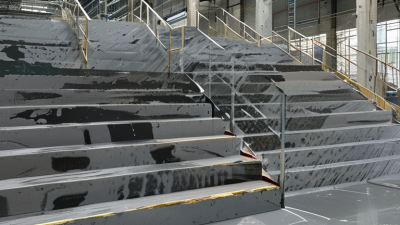
How to Choose the Best Non Slip Coating?
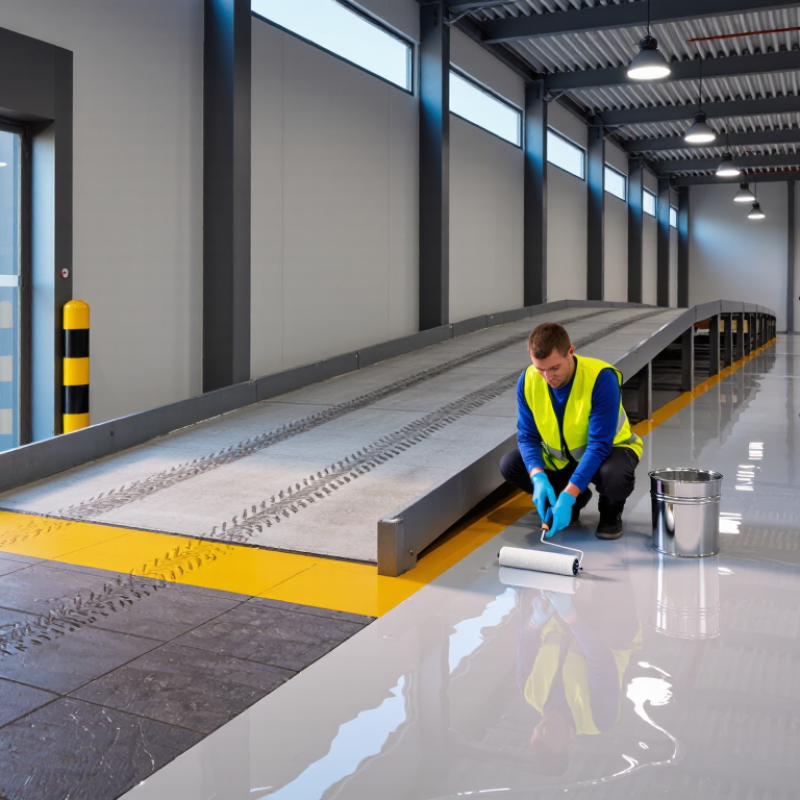
Start with the surface, not the product label. Concrete, steel, tile, and painted floors hold coatings differently. Check for oil, dust, moisture, cracks, and loose material. A damp concrete floor may need moisture testing before application. Otherwise, even a well-formulated coating can blister or peel.
Think about daily conditions. Is the area exposed to rain, cleaning chemicals, grease, or freezing temperatures? A factory entrance needs different traction from a dry office corridor. Examine the slope and lighting too. Poor visibility can make a textured surface less effective. Footwear matters as well. Smooth work shoes may require a stronger profile than outdoor boots.
Test a small section first. Walk across it with typical footwear when the surface is dry and slightly wet, if appropriate. Check whether the texture feels secure without becoming difficult to clean. Review slip-resistance data from qualified testing, then compare it with local workplace and building requirements. Ask the installer how surface preparation, curing time, and future repairs will be handled.
Do not ignore maintenance. Dirt can fill the texture. That reduces traction. I have seen teams choose an aggressive finish, then regret its cleaning burden. A simpler finish may perform better when staff can maintain it consistently. Recheck the area after installation, because real traffic often reveals weaknesses that a sample cannot.
Evaluating surface conditions and safety requirements helps determine which coating properties should receive the greatest attention.
The chart uses a 1–5 selection-priority scale, where 5 indicates that the requirement is critical for the environment. Wet-slip performance is especially important in kitchens, loading docks, and outdoor access areas, while abrasion resistance is typically more important in high-traffic industrial zones.
How to Choose the Best Non Slip Coating?
Durability should match the surface and its daily punishment. A warehouse floor may face pallet wheels, grit, and repeated cleaning. An outdoor stairway must also resist sunlight, rain, and temperature changes. Look for documented abrasion, adhesion, and weathering results. A thick coating is not automatically a durable coating. Poor surface preparation can cause early peeling.
Traction matters most when water, dust, or grease reduces natural grip. Check whether the coating uses fine, medium, or coarse aggregate. Fine textures feel comfortable under shoes but may lose grip faster. Coarse textures improve traction, yet they can collect dirt and complicate cleaning. Test a small area with wet footwear before covering the entire floor. Wet stairs are unforgiving. Texture alone is not enough.
Maintenance needs often decide the real cost. Choose a finish that tolerates the cleaners used on site. Harsh chemicals can soften some surfaces or dull their texture. Sweep loose grit regularly, then wash with a compatible detergent and a firm, non-damaging brush. Inspect worn paths near doors, drains, and turning points. These areas usually fail first. One practical mistake is ignoring drainage; even excellent traction performs poorly under standing water. Reapplication schedules should depend on traffic, weather, and visible wear, not a fixed date. No coating remains perfect without inspection.
| Coating Type | Typical Service Life* | Dry Traction | Wet Traction | Resistance to Wear and Chemicals | Typical Cure / Return to Service | Maintenance Needs | Best-Suited Applications | Main Limitations |
|---|---|---|---|---|---|---|---|---|
| Epoxy with Broadcast Aggregate | 5–10 years indoors | High | High when textured aggregate is used | Very good wear resistance; good resistance to oils, fuels, and many chemicals | About 24–72 hours, depending on temperature and formulation | Routine sweeping and washing; recoat worn traffic lanes as needed | Factories, workshops, warehouses, garages, and plant rooms | Can become brittle; may yellow in sunlight; moisture in concrete can cause adhesion failure |
| Polyurethane with Textured Aggregate | 5–10 years indoors; often longer with suitable maintenance | High | High, with the correct aggregate profile | Excellent abrasion, UV, and chemical resistance | About 24–72 hours; moisture-cured grades may vary | Low to moderate; clean regularly and inspect high-traffic areas | Commercial kitchens, corridors, loading areas, workshops, and exterior walkways | Usually more expensive; application requires careful control of moisture and temperature |
| Methyl Methacrylate (MMA) with Aggregate | 5–10 years, depending on traffic and exposure | High | High immediately after the surface texture is installed | Very good wear and chemical resistance; performs well in cold conditions | Approximately 1–3 hours in many systems | Low after installation; remove contaminants before they build up | Fast-track repairs, food-processing areas, cold rooms, ramps, and busy facilities | Strong odor during installation; flammable materials require strict ventilation and handling controls |
| Acrylic with Anti-Slip Aggregate | 2–5 years in moderate traffic | Moderate to high | Moderate to high when properly textured | Moderate wear and chemical resistance; good UV stability | About 2–8 hours for light foot traffic; full properties develop later | Moderate; periodic recoating is common in heavy-use areas | Walkways, patios, balconies, light-duty ramps, and pedestrian areas | Shorter service life under heavy abrasion; may require more frequent renewal |
| Cementitious Polymer-Modified Overlay | 5–10 years when correctly installed and sealed | High with a broomed or broadcast texture | High when sealed and properly profiled | Good abrasion resistance; chemical resistance depends strongly on the sealer | Typically 24–72 hours before regular use | Moderate; reseal periodically and repair cracks or damaged areas | Concrete stairs, ramps, pedestrian paths, pool surrounds, and uneven concrete | Requires careful substrate preparation; cracking or movement can transfer through the overlay |
| Preformed Anti-Slip Sheet or Tape | 1–3 years indoors; less in severe outdoor exposure | High on clean, dry surfaces | High initially; performance decreases if edges lift or abrasive grit wears down | Moderate; vulnerable to heavy vehicle traffic, standing water, and edge damage | Usually ready for use immediately after firm application | Low installation maintenance; inspect edges and replace damaged sections | Stair nosings, ladders, ramps, equipment steps, and localized hazard points | Not ideal for rough, dirty, damp, oily, or highly uneven substrates |
*Service-life figures are typical planning ranges, not guarantees. Actual performance depends on substrate condition, surface preparation, aggregate size, coating thickness, traffic, moisture, temperature, chemicals, cleaning methods, and installation quality. Traction also varies with footwear, contaminants, drainage, and the test method used.
Choosing the right coating begins with the environment, not the product label. A dry office entrance needs different protection from a food-processing floor, loading bay, or outdoor ramp.
The U.S. Bureau of Labor Statistics reported that falls, slips, and trips remain a major source of workplace injuries involving days away from work. Water, oil, cleaning chemicals, temperature changes, and footwear can sharply reduce surface traction.
In wet areas, select a textured coating with verified wet-slip performance. Test data should reference recognized methods, such as ANSI/ASSP A1264.2 or DIN 51130. A high R-rating helps, but it is not a universal answer. Test conditions may not match a kitchen, warehouse, or public walkway.
HSE’s workplace injury statistics also identify slips and trips as a persistent source of non-fatal harm in Great Britain.
For workshops and loading zones, prioritize abrasion resistance and strong adhesion under heavy traffic. On exterior steps, choose a system that tolerates rain, sunlight, and freeze-thaw movement.
I have seen smooth coatings fail within months because installers ignored drainage and surface preparation. That mistake is expensive.
Cleaning routines matter too. Grease can fill the texture and create a hidden hazard. The coating must suit the contaminant, traffic level, footwear, and maintenance schedule.
A small trial area is wiser than trusting a brochure. Even experienced teams can choose badly when laboratory results replace site observation.
How to Choose the Best Non Slip Coating?
Planning Proper Surface Preparation and Application
Surface preparation determines whether a non-slip coating protects people or peels early. The UK Health and Safety Executive reported that slips, trips, and falls on the same level caused about 30% of non-fatal workplace injuries in 2022/23. That figure makes preparation more than a cosmetic step.
Begin with a dry, structurally sound surface. Remove oil, dust, loose paint, curing compounds, and existing residues. Mechanical abrasion usually creates a stronger bond than light cleaning alone. Check moisture in concrete before application, because trapped moisture can cause blistering. It is an easy detail to miss. Repair cracks and uneven areas, then confirm the surface profile suits the coating system. A small test patch can reveal adhesion problems before they spread across a busy floor.
Application conditions matter just as much. Follow the specified temperature, humidity, mixing ratio, and recoat window. Apply an even film without flooding drains, corners, or textured areas. For level interior surfaces, ANSI A326.3 commonly references a wet dynamic coefficient of friction of 0.42, but this is not a universal pass-fail value for every environment. Wet testing, footwear, contamination, and traffic patterns still affect performance. The National Safety Council continues to identify falls as a major source of preventable injury, so a coating should be selected for the actual hazard, not its label. Allow full curing time. Rushing this stage can quietly reduce durability.