Best Tips for Choosing Slip Resistant Coating Options?
Choosing the right slip resistant coating can significantly enhance safety in various environments. According to John Smith, a leading expert in the slip resistant coating industry, "Selecting the right coating is crucial to preventing accidents." His insights emphasize the need for careful consideration when making this choice.
When evaluating slip resistant coating options, one must consider the specific requirements of the environment. For instance, areas with high foot traffic may require coatings that offer superior grip. Materials, texture, and durability are all critical factors. A thorough understanding of these elements is essential for effective decision-making.
However, not every coating will perform equally in different conditions. Sometimes, products may not live up to their promises. This highlights the importance of researching and choosing coatings wisely. A knowledgeable choice can lead to a safer space, ultimately preventing injuries. In the realm of slip resistant coatings, informed decisions are a pathway to greater safety and reliability.
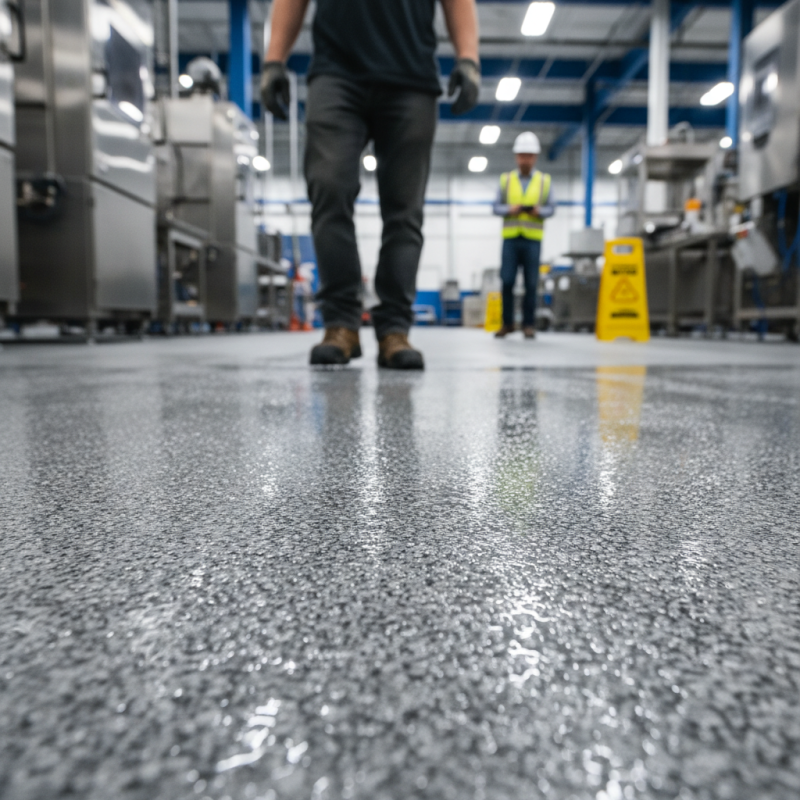
Understanding Slip Resistant Coatings: Types and Benefits
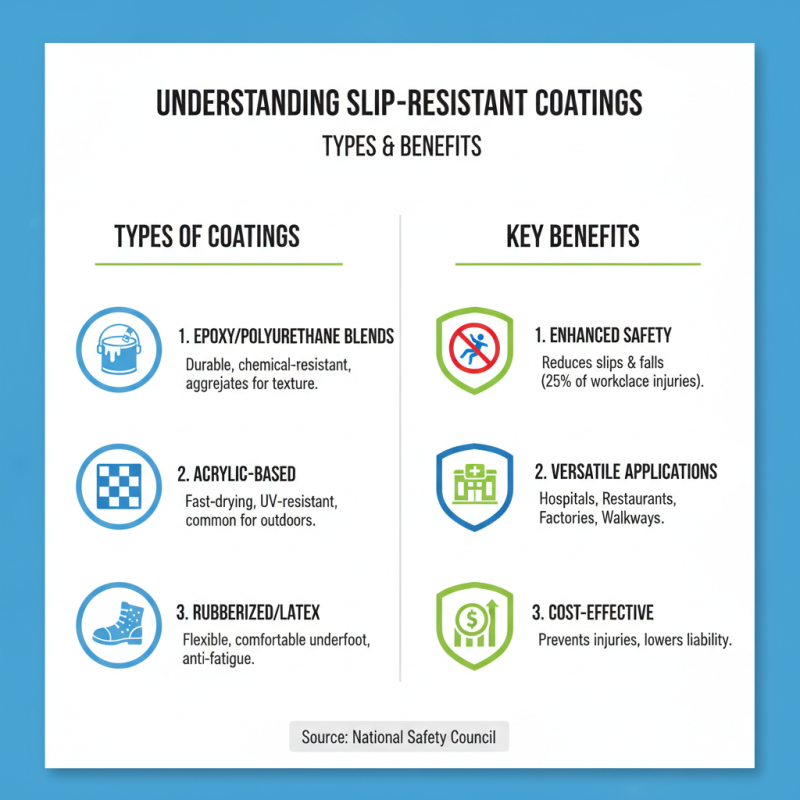
Slip resistant coatings play a vital role in enhancing safety across various environments. These coatings can significantly reduce the likelihood of slips and falls, a common hazard in places like hospitals and restaurants. According to the National Safety Council, slips and falls account for over 25% of workplace injuries. Understanding the different types of slip resistant coatings is crucial for making informed decisions.
There are several types of slip resistant coatings, including epoxy, urethane, and vinyl. Epoxy coatings, known for their durability, are ideal for high-traffic areas. They typically enhance traction through textured surfaces or additives such as silica. Urethane coatings also provide excellent resistance to wear and tear. These coatings can adapt to various surface materials, making them versatile options for both interior and exterior applications. Vinyl coatings often serve best in areas requiring aesthetic appeal without compromising safety.
Investing in slip resistant coatings can be cost-effective. The initial expense of installation may be offset by reduced injury claims and insurance costs over time. However, it is important to regularly assess the condition of these coatings. Wear can diminish their effectiveness, highlighting the need for maintenance and possible reapplication. Regular inspections should become part of safety protocols in high-risk environments.
Evaluating Different Materials for Slip Resistant Coatings
Choosing the right slip-resistant coating involves evaluating various materials that meet safety standards. Different substrates, like concrete and wooden surfaces, require specific coatings to ensure proper adhesion and durability. According to the National Floor Safety Institute (NFSI), slip-resistant coatings can reduce slip and fall accidents by up to 50%. Analyzing this data underscores the importance of selecting appropriate materials.
Acrylic-based coatings are popular due to their versatility and ease of application. They offer decent slip resistance and can be applied on various surfaces. Epoxy coatings, on the other hand, provide superior grip and durability, making them ideal for high-traffic areas. However, these coatings can be more complex to install and may require professional assistance. Evaluating the intended use of the area is crucial.
Tip: Always check for the coefficient of friction (COF) ratings when selecting a coating. A COF of 0.6 or higher is generally considered safe for wet environments. Additionally, consider how different materials react under different conditions. Not every coating will perform equally well in extreme temperatures or high moisture. Conducting thorough research can lead to better decision-making.
Factors to Consider When Choosing Slip Resistant Coatings
Choosing the right slip-resistant coating requires careful consideration of various factors. One of the most critical aspects is the surface material. Certain coatings perform better on concrete, while others are more suitable for wood or metal. According to a 2022 report by the American National Standards Institute (ANSI), choosing a product compatible with the substrate can improve traction by as much as 75%.
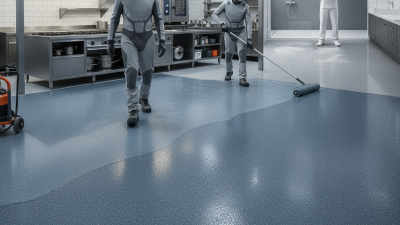
Another important factor is the environment where the coating will be applied. Wet areas, such as kitchens and bathrooms, demand coatings with higher slip resistance ratings. The ANSI reports state that surfaces subjected to water or oils can become extremely hazardous. Consider coatings that meet or exceed the ASTM C1028 standard for wet testing. However, high slip resistance may also lead to increased wear, which raises questions about long-term effectiveness.
Durability should also be evaluated. A coating that looks great initially may degrade quickly in high-traffic areas. The initial application might not reflect future performance. The durability of a slip-resistant coating can influence maintenance costs greatly. It's crucial to weigh the initial investment against potential upkeep. Balancing slip resistance and longevity can lead to better decision-making.
Application Methods for Slip Resistant Coatings
When selecting slip-resistant coatings, understanding application methods is crucial. Different methods impact both performance and longevity. Common application techniques include spray, brush, and roller methods. Each has its benefits, and the choice often depends on the surface type and the specific environment.
According to a report by the American National Standards Institute (ANSI), the texture and application thickness can significantly affect the slip resistance. A study indicated that coatings applied with a sprayer create a more uniform texture than those brushed on, leading to better grip. Furthermore, roller applications might allow for better control over thickness, which can influence safety outcomes in high-traffic areas.
It's vital to assess conditions before application. Surfaces exposed to harsh elements may require additional preparation. Data shows that neglected surfaces can lead to numerous slip accidents, especially in wet conditions. Reflecting on these factors during the selection process is essential to ensuring the effectiveness of slip-resistant coatings. While several methods exist, evaluating both the current surface state and the expected usage will guide the optimal choice.
Best Tips for Choosing Slip Resistant Coating Options
Maintenance Tips for Ensuring Long-Lasting Slip Resistance
Regular maintenance is crucial for ensuring long-lasting slip resistance in coated surfaces. Keep the area clean and free of debris. Dirt and grime can significantly reduce the effectiveness of slip-resistant coatings. Use appropriate cleaning agents that won’t damage the surface. Mopping with water alone is often insufficient. Consider non-slip floor cleaners specifically designed for your coating type.
Inspect the surface frequently for signs of wear or damage. Early detection can prevent larger issues later. Look for chips, cracks, or peeling of the coating. These flaws can compromise safety. Address them promptly to maintain the protective layer. If your coating appears dull or loses its texture, it might need reapplication.
Don’t forget the environmental factors impacting your surface. Weather changes can wear coatings down faster. In areas with heavy rainfall or ice, consider additional protective measures. This may include applying a new coat more frequently. Reflect on your coating’s performance throughout the seasons to refine your maintenance approach. Balancing proper care with environmental stresses is key to retaining slip resistance over time.