Top Benefits of Powder Coating Dip for Global Buyers
As global buyers seek innovative solutions to enhance durability and aesthetics, "powder coating dip" has emerged as a top choice. According to a report by the Powder Coating Institute, the industry has seen a growth rate of approximately 4.5% annually, driven by increased demand for eco-friendly finishes and superior performance characteristics. Experts note that this method surpasses traditional liquid coatings in both efficiency and quality.
Industry leader Dr. Sarah Jennings, a recognized authority in surface finishing technologies, states, “Powder coating dip offers unmatched protection while minimizing environmental impact.” This reflects a growing awareness of sustainability within manufacturing processes. Companies are increasingly relying on this method for components across various sectors, including automotive and electronics.
Despite these advantages, challenges persist. Some manufacturers may struggle with application techniques or proper curing. Understanding these aspects is crucial for maximizing the benefits of powder coating dip. Overall, this technique represents a significant advancement in finishing technology, offering both practical and sustainable solutions for global buyers.

Advantages of Powder Coating Dip for Various Industries
Powder coating dip offers numerous advantages across various industries. This technique provides a durable and aesthetic finish for products in sectors such as automotive, aerospace, and manufacturing. According to a recent report by Smithers, the global powder coating market is projected to reach $14.36 billion by 2027. This growth highlights the increasing adoption of powder coating as an efficient option for surface finishing.
One standout benefit of powder coating dip is its environmental friendliness. Unlike liquid paints, powder coatings contain little to no volatile organic compounds (VOCs). This reduces harmful emissions during application, aligning with industry standards for sustainability. Many manufacturers now emphasize eco-friendly practices, making powder coating a preferred choice.
Tips for optimal results: Ensure proper surface preparation. This step reduces imperfections and enhances adhesion. Additionally, monitor the curing process carefully. Inconsistent temperatures can lead to uneven finishes. Finally, be mindful of overspray, which can waste materials and increase costs. Embracing these practices improves product quality and overall performance. Choosing the right powder coating process can elevate your production standards significantly.
Environmental Benefits of Using Powder Coating Dip
Powder coating dip offers notable environmental advantages, making it an appealing choice for global buyers. This process uses a dry powder rather than liquid paint, significantly reducing harmful solvent emissions. By minimizing volatile organic compounds (VOCs), companies contribute to better air quality. This eco-friendly approach aligns with modern sustainability goals, appealing to environmentally conscious consumers.
Tip: When selecting powder coating options, consider suppliers with sustainability certifications. This can further ensure the materials used are environmentally friendly.
Another benefit is waste reduction. Unlike traditional paint methods, powder coating allows oversprayed material to be recaptured and reused. This efficiency not only lowers material costs but also diminishes waste sent to landfills. Companies can save resources while promoting a circular economy.
Tip: Regularly evaluate your powder coating practices. Identifying areas for improvement can enhance sustainability efforts and operational efficiency.
Durability and Longevity of Powder Coated Products
Powder coating has gained popularity for various applications, especially due to its exceptional durability. Reports from industry leaders indicate that powder-coated products can last up to 20 years when maintained properly. This longevity is a significant advantage for buyers looking for cost-effective solutions.
The toughness of powder coating is often tested through rigorous procedures. For instance, ASTM B117 standards measure salt spray resistance. Many powder-coated items pass this test, ensuring they withstand harsh environmental conditions. Additionally, products resist chipping, scratching, and fading, which benefits industries like automotive and construction.
However, the process is not without its challenges. Improper application can lead to inadequate coverage, impacting durability. Even with technology advances, some formulations may not perform as expected under extreme conditions. Buyers must consider these factors when evaluating their options in powder coating.
Cost-Effectiveness of Powder Coating Dip Compared to Other Methods
Powder coating dip is gaining attention among global buyers for its cost-effectiveness. Users often choose this method for its affordability compared to traditional painting methods. The process involves applying a dry powder that bonds to surfaces, creating a durable finish. This offers significant savings over time due to lower labor costs and reduced material waste.
Another advantage lies in the energy efficiency of powder coating dip. Unlike liquid paints, it requires less energy to cure. This can lead to decreased operational costs for manufacturers. Additionally, the durability of powder-coated surfaces means less frequent reapplications are needed. Over an extended period, this results in lower maintenance costs.
However, buyers should consider that not all surfaces are ideal for powder coating. Certain materials may require specific treatments before applying the dip. While the initial investment may be higher than some methods, the long-term benefits can outweigh these costs. Each user must evaluate their unique situation to determine if powder coating dip is the right choice for them.
Versatility of Powder Coating for Different Applications and Materials
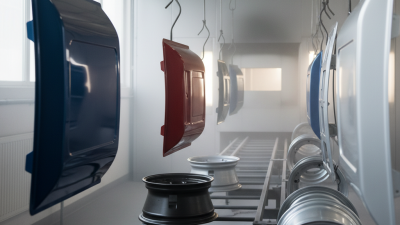
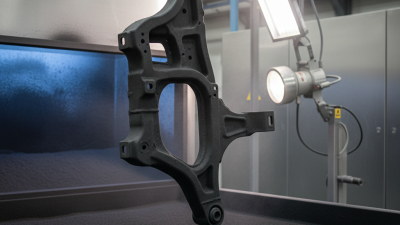
Powder coating is increasingly popular across various industries. Its versatility makes it suitable for different applications and materials. From automotive to furniture, the options are vast. This coating method offers protection and aesthetic appeal. It works well on metals, plastics, and even some wood products.
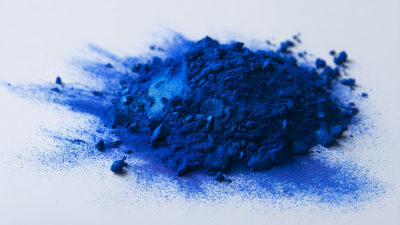
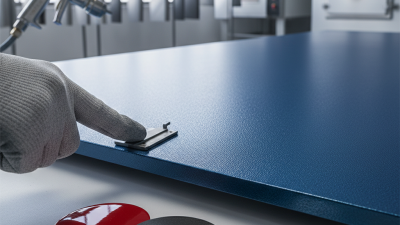
One standout benefit is its ability to adapt. Powder coating can be customized in numerous colors and finishes. This means manufacturers can meet diverse consumer preferences. The application process is straightforward and efficient. However, achieving uniformity can be tricky at times. Inconsistent application can lead to varying results, making it important to inspect the final product closely.
Another aspect worth noting is durability. Powder-coated surfaces resist chipping and fading over time. This makes them ideal for outdoor use, even in harsh environments. Yet, it’s crucial to realize that not all materials respond equally well to powder coating. Some materials may require special treatment. Experimentation and careful preparation are vital for the best outcomes. Finding the right balance is often an ongoing learning experience for many manufacturers.