What Is the Best Protective Coating for Cars in 2026?
Choosing the best protective coating for cars in 2026 starts with a simple question: what must the finish withstand? A daily commute brings grit, road salt, bird droppings, harsh sunlight, and automatic car washes. These threats are different, so no single coating is best for every driver. Ceramic coatings can make cleaning easier and add chemical resistance. Paint protection film offers a thicker physical barrier against small stone impacts. Waxes and sealants cost less, but usually need more frequent renewal. The details matter.
Vehicle longevity makes this choice more relevant. S&P Global Mobility reported that the average age of U.S. light vehicles reached 12.6 years in 2024. That figure does not prove coatings extend a vehicle’s life. It does show why many owners want to preserve paint and resale appeal for longer. Still, a glossy finish can be misleading. Shine alone is not protection.
Market figures also need context. Grand View Research estimated the global automotive coatings market at about $25.5 billion in 2023, with projected growth through 2030. That broad category includes factory-applied and repair coatings, not just products installed by car owners. It cannot tell us which consumer coating performs best. For that, buyers should compare independent testing, warranty terms, surface preparation, and realistic maintenance needs. A coating applied over dusty paint may disappoint, even if the product is excellent. This guide weighs those practical differences, so you can match protection to your climate, driving habits, and budget. There is no perfect answer, and that is worth remembering.
How Automotive Protective Coatings Work
Automotive protective coatings work by creating layered barriers between the bodywork and its environment.
On many cars, electrocoat and primer help resist corrosion and improve adhesion; basecoat supplies color, while clearcoat faces sunlight, moisture, road grime, and washing. Aftermarket waxes, sealants, and ceramic coatings add a thinner surface layer. Depending on their chemistry, they can reduce water and dirt adhesion and make cleaning easier.
The effect is practical, not magical.
A slick surface does not prevent stone chips or repair deep scratches.
The scale of corrosion explains why these layers matter. NACE International’s 2016 IMPACT study estimated corrosion costs at
US$2.5 trillion worldwide, or 3.4% of global GDP;
that figure covers many industries, not cars alone. A coating’s real performance also depends on preparation. Dust, old wax, or trapped moisture can weaken adhesion, even when the product is capable. Follow the specified curing time, and inspect exposed edges and chipped paint.
There is a catch:
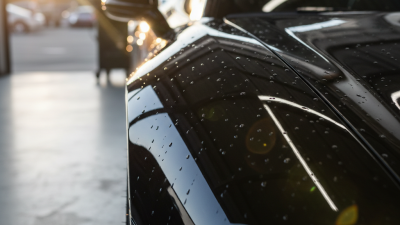
water beading looks reassuring, but it does not prove that the finish is protected from every kind of damage.
I still find that easy to overstate.
Types of Car Coatings Available in 2026
In 2026, the best protective coating depends on the car’s use, paint condition, and owner’s maintenance habits. Grand View Research valued the global automotive paints and coatings market at $22.7 billion in 2023 and projected 4.5% annual growth through 2030. That broad market includes factory and repair coatings, not only products applied by car owners.
Wax offers a warm shine and short-term water beading, but typically needs frequent renewal. Synthetic paint sealants generally last longer, though results depend on surface preparation and washing. Ceramic coatings form a harder, water-repellent layer; they can make grime easier to remove, but they do not prevent stone chips or scratches. No coating is magic. Paint protection film is different: it is a clear physical barrier, often chosen for vulnerable areas such as the hood, bumper, and mirror caps.
S&P Global Mobility reported that the average age of U.S. light vehicles reached 12.6 years in 2024. That figure does not prove any coating extends a car’s life, but it highlights why owners may weigh upkeep over several years. A practical choice starts with the paint: a clean, polished surface helps coatings bond, while neglected paint can leave disappointing results. I’d also factor in parking. A car kept outdoors faces harsher exposure than one stored in a garage.
How Coatings Compare in Durability and Protection
Durability depends on the coating type, preparation, climate, and routine care. Traditional wax can add gloss and repel water, but its protection often fades within weeks or months. Paint sealants generally last longer, though frequent washing and strong sun can wear them down. Ceramic coatings can protect paint from UV exposure, road grime, and some chemical stains for years when correctly applied and maintained. They do not make paint scratch-proof.
Tips: Wash with a clean mitt and pH-neutral soap. Dry with a soft towel. Avoid abrasive brushes. Check whether the coating needs periodic maintenance; small habits matter more than impressive claims on a label.
For stone chips and deeper impact, paint protection film usually offers more physical defense than a liquid coating. It is a different product, and it may be used alongside a coating. No option prevents every mark. I’d be cautious about judging durability from water beading alone: beads can look dramatic even when meaningful protection has weakened. A shaded parking spot and prompt removal of bird droppings can help any finish last longer. Choose protection based on how the car is driven, not just its promised lifespan.
Choosing a Coating for Your Car and Driving Conditions
A protective coating should match where and how you drive, not just promise a glossy finish. A ceramic coating can help water, road grime, and bird droppings release more easily from paint. It may also improve resistance to UV exposure and some chemical stains. It will not stop stone chips or deep scratches. Not armor.
For a car parked outdoors, prioritize UV protection and easier washing. A shaded garage reduces exposure, so a less intensive option may be enough. If you drive on salted winter roads, choose a coating rated for regular exposure to road contaminants, then wash the underside and paint often. Frequent highway driving brings another concern: flying grit. A coating can make cleaning easier, but paint-protection film is more suitable for impact-prone areas such as the hood edge. These products solve different problems.
Preparation matters as much as the coating itself. Paint should be clean, dry, and free of bonded residue; existing swirls may remain visible beneath a clear layer. Check the required curing time and maintenance instructions before application, especially if the car must sit outdoors. Longer durability claims do not mean zero upkeep. I used to think water beading meant the coating was still performing perfectly; that was too simple. Dirt, minerals, and worn surface layers can change how water behaves. Use a compatible wash routine and inspect the finish in daylight.
Application, Care, and Long-Term Performance of Car Coatings
A protective coating works best when it matches the car’s use, paint condition, and owner’s maintenance habits. For many drivers, a professionally applied ceramic coating offers durable water repellency and makes routine washing easier. It does not make paint scratchproof. Road grit, careless washing, and stone chips can still leave damage.
Application quality matters as much as the coating itself. The paint should be washed, decontaminated, and inspected under bright, angled light. Swirls may need correction before the coating locks in the finish. Preparation matters. Apply the product in a clean, shaded space, following its cure time and temperature guidance. Uneven wiping can leave hazy patches, especially on dark paint. If a panel looks streaky, pause and check the product instructions rather than adding more coating blindly.
After curing, use a pH-balanced car shampoo, a soft wash mitt, and clean drying towels. Avoid washing in direct sun, where water spots can form before you notice them. Not invincible. Even with careful care, performance gradually changes with weather, mileage, and washing frequency. Beading can weaken before the coating has fully failed, so judge it alongside surface feel and cleaning effort. A yearly inspection is useful, though fixed replacement schedules can be misleading; actual condition varies by vehicle and environment.
What Is the Best Protective Coating for Cars in 2026?
Typical service-life ranges vary with product formulation, surface preparation, climate, driving conditions, and maintenance.
How to read this chart: The bars show approximate service-life ranges, not guarantees. Wax is easy to apply and refresh; paint sealants generally last longer; ceramic coatings can offer longer-lasting chemical and water-repellent protection when applied to properly prepared paint. Wash gently with a pH-neutral car shampoo, avoid abrasive products, and follow the coating’s care instructions to help preserve performance.