How to Choose the Best Protective Coating for Cars?

Choosing the right protective coating for cars is not simply a question of gloss. It is a decision about paint condition, weather, driving habits, maintenance time, and budget.

S&P Global Mobility reported that the average U.S. light vehicle reached 12.6 years in 2024. Older vehicles need realistic protection, not exaggerated promises. Market reports from Grand View Research also indicate steady growth in automotive coatings, driven by demand for durability and easier maintenance. These figures show a wider shift toward preserving existing vehicles. Still, reports cannot tell you which coating fits your daily route.

Surface preparation remains critical. Detailing educator Mike Phillips states, “Preparation is the key to a successful detail.” That advice is easy to underestimate. A ceramic coating may increase water repellency and chemical resistance, but it cannot hide deep scratches, oxidation, or poorly repaired paint. Paint protection film offers stronger defense against stone chips, while waxes and sealants usually provide simpler, shorter-term protection. ASTM D3359 adhesion testing and ASTM D4060 abrasion testing can also help readers compare technical claims more carefully.

Real-world results vary. A car parked beneath trees faces different risks from one kept inside a garage. Road salt, dust, automatic brushes, and neglected washing can shorten performance. Even the best product needs correct application and regular care. This guide will compare coating types, preparation requirements, durability claims, maintenance demands, and total cost. Some recommendations may remain imperfect, because no single protective coating for cars suits every vehicle or owner.
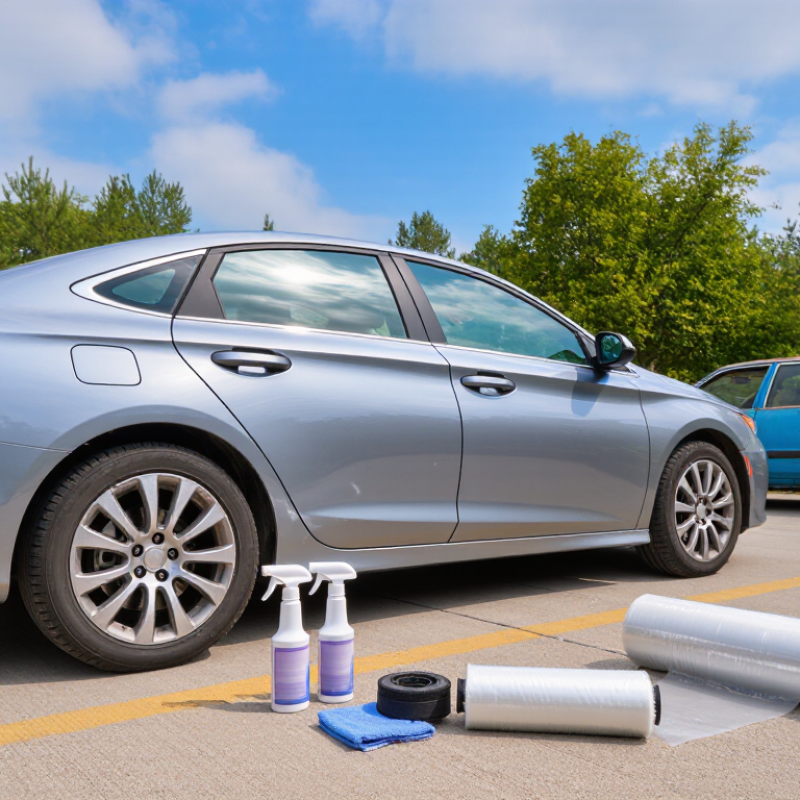
How to Choose the Best Protective Coating for Cars?

Understanding Car Protective Coating Types and Their Functions

Choosing car protection starts with understanding what each coating can actually do. Wax creates a warm gloss and sheds light rain, but it usually needs frequent renewal. Synthetic sealants form a more durable barrier against water, road film, and ultraviolet exposure. They suit drivers who want practical protection without complex maintenance.

Ceramic coatings use a bonded layer to improve water repellency, chemical resistance, and surface hardness. They can reduce staining, but they do not make paint scratch-proof. Tree sap, bird droppings, and harsh cleaners still require quick removal. Paint protection film offers a different function. Its flexible surface helps absorb stone chips and minor abrasions on vulnerable panels. It costs more and needs careful installation around edges.

Preparation decides the result. I have seen clean-looking cars develop coating failure because embedded grit remained under the surface. Paint should be washed, decontaminated, and inspected under strong lighting before application. A paint thickness gauge can reveal areas that need gentler polishing. Follow the product’s curing time, temperature range, and maintenance instructions. Small details matter.

Do not skip preparation.

The best choice depends on driving conditions, parking habits, paint condition, and maintenance time. A ceramic coating may be excessive for a rarely driven car. A basic sealant may disappoint on gravel roads. My own judgment has changed after seeing neglected coatings lose performance early. Protection is not permanent. It is a maintenance system, and its limits deserve honest attention.
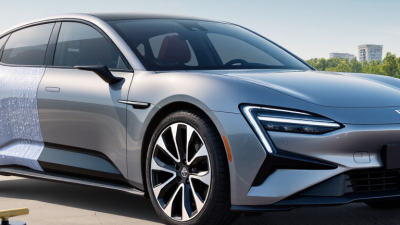
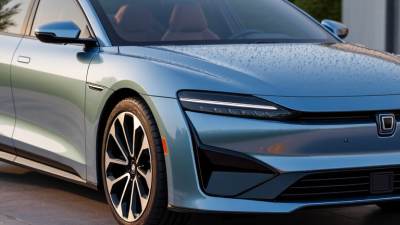
How to Choose the Best Protective Coating for Cars?

Typical protection duration varies with product quality, preparation, climate, washing habits, and application conditions.

Wax is easy to apply but usually requires frequent renewal. Polymer sealants and glass coatings generally last longer, while ceramic coatings provide extended protection against UV exposure, oxidation, water spots, and chemical contaminants. Paint protection film is included as a reference because it offers physical impact protection in addition to surface protection, although it is a film rather than a liquid coating.

Assessing Your Vehicle’s Surface, Driving Conditions, and Protection Needs

How to Choose the Best Protective Coating for Cars?

Assess the surface before choosing protection. Wash the vehicle thoroughly, then inspect it under direct light. Look for oxidation, sanding marks, stone chips, water spots, and exposed metal. A coating cannot repair damaged paint. It can preserve a properly prepared surface. Paint thickness should also be checked when polishing is considered. Thin areas may need restraint, not aggressive correction.

Driving conditions should guide the decision. Coastal air, winter salt, gravel roads, and heavy urban pollution create different risks. The NACE IMPACT study estimated global corrosion costs at about $2.5 trillion annually, equal to 3.4% of global economic output. That figure supports prevention, but it does not make every coating suitable. A daily commuter may need chemical resistance and easy cleaning. A weekend vehicle may prioritize gloss and longer appearance retention. Choose for reality, not showroom promises.

Vehicle age matters too. S&P Global Mobility reported that the average age of vehicles in the United States reached about 12.6 years in 2024. Older paint often needs decontamination and correction before protection. Newer paint may need only careful cleaning and preparation. Coating durability also depends on washing habits, storage, and climate. Honest assessment is difficult. Many owners overestimate maintenance discipline. If weekly washing is unlikely, a simpler, maintainable system may outperform a more advanced coating. The best choice is the one that matches the surface, environment, and owner’s actual routine.

How to Choose the Best Protective Coating for Cars? - Assessing Your Vehicle’s Surface, Driving Conditions, and Protection Needs

Assessment Dimension Vehicle Condition or Situation Recommended Coating Characteristics Expected Benefits Important Considerations
Paint condition New or well-maintained paint with minimal oxidation and few visible defects A transparent ceramic or polymer coating with strong water repellency and UV resistance Helps reduce contamination adhesion, chemical staining, and weather-related deterioration The surface must be thoroughly cleaned and chemically decontaminated before application
Swirl marks and light scratches Minor clear-coat defects caused by washing, drying, or wiping A coating applied after paint correction or light polishing Preserves the corrected finish and makes routine cleaning easier Most coatings do not remove scratches; polishing or correction is required first
Oxidized or weathered paint Faded, chalky, or heavily oxidized finish A coating should be considered only after restoration, polishing, and clear-coat inspection Can protect a properly restored surface from further environmental exposure A coating cannot restore severely damaged paint; repainting may be more appropriate
Daily urban driving Frequent exposure to dust, traffic film, bird droppings, tree sap, and road pollutants A durable, chemically resistant coating with good hydrophobic behavior Supports easier washing and helps limit bonding of common contaminants Contaminants should still be removed promptly to reduce etching and staining
Highway driving Regular exposure to dust, insects, rain, sand, and airborne road debris A coating with strong chemical resistance and low surface energy May reduce cleaning effort after long-distance travel A liquid coating is not a substitute for a paint-protection film when impact protection is the priority
Winter and salted roads Exposure to de-icing salts, moisture, slush, and repeated temperature changes A coating with resistance to alkaline cleaners, road salts, and frequent washing Helps protect exposed surfaces from contamination and simplifies regular washing The underbody, wheel wells, and lower panels require separate cleaning and inspection
Hot, sunny climate Strong ultraviolet exposure, high surface temperatures, and rapid water evaporation A UV-stable coating with resistance to oxidation and water-spot formation Helps maintain gloss and reduce the effect of prolonged sunlight exposure Water spots can still occur; dry the vehicle properly and avoid applying products on hot panels
Frequent off-road or gravel driving High risk of stone chips, sand abrasion, mud, and physical impact A coating may be used for chemical and cleaning protection, combined with a thicker impact-resistant film on vulnerable areas Provides surface protection while addressing impact risks with a more suitable material Ceramic and polymer coatings generally do not prevent stone chips or deep scratches
Primary protection goal Gloss retention, easier maintenance, and resistance to environmental contamination A professionally prepared, durable surface coating with defined maintenance requirements Improves cleaning efficiency and helps preserve the appearance of the existing finish Protection performance depends on preparation, installation quality, washing technique, and exposure
Desired service life Short-term seasonal protection or longer-term appearance protection Select the product category according to its tested durability, application method, and maintenance schedule Makes the purchase decision more realistic and easier to maintain Durability claims vary; actual service life is affected by climate, mileage, washing, and storage
Application environment Controlled indoor workspace versus outdoor or dusty conditions Choose a system that matches the available temperature, humidity, lighting, and curing conditions Reduces the risk of uneven curing, trapped dust, streaks, and high spots Many coatings require a clean, dry surface and controlled conditions during application and initial cure
Maintenance commitment Owner can wash the vehicle regularly using suitable tools and neutral cleaning products A coating with a clear maintenance routine, compatible topper or booster, and documented aftercare guidance Helps retain water behavior, cleanliness, and visual performance over time Aggressive chemicals, abrasive brushes, automatic brushes, and poor drying practices can reduce performance

Selection principle: Match the coating to the vehicle’s surface condition, environmental exposure, impact risk, appearance goals, and willingness to follow the required preparation and maintenance procedures.

Comparing Coating Durability, Appearance, Maintenance, and Cost

How to Choose the Best Protective Coating for Cars?

Choosing a car coating starts with durability, not marketing claims. A quality coating should resist ultraviolet light, road salt, bird droppings, and frequent washing. Ceramic and polymer coatings usually last longer than traditional waxes. Still, surface preparation controls much of that performance. I have seen expensive coatings fail after poor paint correction and rushed application. Durability is never just a product feature.

Appearance also deserves careful attention. Some coatings create sharp reflections, while others produce a softer, deeper gloss. Dark paint can reveal uneven preparation, swirl marks, and high spots more clearly. A glossy finish may look impressive under showroom lights but less natural outdoors. Looks matter. Consider water behavior, too. Tight water beads are attractive, but they do not prove complete paint protection.

Maintenance requirements can change the real cost. Even durable coatings need gentle washing, clean towels, and periodic inspection. Strong cleaners may reduce surface performance over time. Ask how often the coating needs renewal and whether professional inspection is recommended. Calculate the cost across its expected service life, including preparation and maintenance. A cheaper coating may require earlier replacement. A costly option may not suit a driver who parks outdoors daily. My own preference has changed after neglecting maintenance once; the coating survived, but the finish became less satisfying. That experience remains a useful warning.

Checking Application Requirements and Product Compatibility

How to Choose the Best Protective Coating for Cars?

Checking application requirements and product compatibility should come before gloss, hardness, or marketing claims. Start with the vehicle’s surface. Is it factory paint, repaired metal, plastic trim, or an older coating? Each substrate changes cleaning, adhesion, and curing requirements. A quick wipe is not enough. Remove wax, silicone, road salt, and embedded iron before testing the product.

Temperature and humidity also matter. Many coating technical data sheets specify a surface temperature several degrees above the dew point. In a cool garage, trapped moisture can cause whitening, weak adhesion, or early corrosion. The AMPP IMPACT study estimated global corrosion costs at approximately $2.5 trillion annually, equal to 3.4% of global GDP. Small preparation errors can support a very expensive problem.

Check compatibility through controlled testing. Apply the coating to a hidden panel and inspect it after curing. Look for wrinkling, softening, color change, or poor bonding. ASTM D3359 cross-cut testing can help assess adhesion, while ASTM D4060 measures abrasion resistance. These tests do not replace real-world exposure. They simply reduce guesswork. A product designed for metal may perform poorly on flexible plastic. I have seen specifications treated as guarantees, which is a mistake. Curing time, film thickness, cleaners, and the existing paint system must all match the application. Keep records of batch details, surface temperature, and drying conditions. Reliability often comes from careful notes, not confident assumptions.

Selecting a Reliable Coating and Planning Proper Surface Preparation

How to Choose the Best Protective Coating for Cars?

Selecting a Reliable Coating and Planning Proper Surface Preparation

A reliable protective coating begins with evidence, not attractive claims. Check its technical data sheet, recommended uses, curing time, temperature range, and resistance testing. A credible supplier should explain limitations clearly. Ask whether the coating suits clear coat, painted panels, plastic trim, or wheels. One product rarely performs equally well everywhere. My workshop experience shows that honest guidance matters more than impressive gloss. Test a small hidden area first. It prevents expensive surprises.

Surface preparation decides much of the final result. Wash the car with a pH-balanced cleaner, then remove tar, iron particles, and bonded road film. Use separate tools for wheels and painted surfaces. Dry the panels completely. Water trapped near badges or mirrors can later affect curing. Inspect the paint under strong, angled lighting. Fine scratches, oxidation, and old polish residues may remain invisible outdoors. A light machine polish can improve clarity, but aggressive correction removes valuable clear coat. I have sometimes chased perfection too far. That was unnecessary wear.

Apply the coating in a shaded, dust-controlled space. Follow the stated panel size and wipe-off window. Work in small sections. Keep clean towels available, and replace them when they drag. Humidity and temperature can change curing behavior, so record the conditions. Avoid washing or exposing the vehicle to heavy moisture during the initial cure. Recheck the surface after curing. A missed high spot may look minor at first, then become difficult to remove. Reliable results come from careful preparation, controlled application, and realistic expectations.