What are the Benefits of Plastic Coating for Cars in China?
The growing popularity of plastic coating for cars in China has captured the attention of industry experts. With rising concern over vehicle maintenance, this protective solution stands out. Dr. Li Wei, a noted automotive material scientist, stated, "Plastic coating for cars not only enhances appearance but also prolongs vehicle life."
This innovative technology offers multiple benefits, including scratch resistance and UV protection. In a country where harsh weather can accelerate wear and tear, plastic coating acts as a shield. It helps maintain the car's aesthetic appeal, which is vital to many consumers.
However, while these coatings improve durability, they are not without flaws. Some products may yellow over time, and application must be professionally done. The industry is still evolving, and consumers need to remain informed. Understanding the pros and cons is essential for making the right choice regarding plastic coating for cars.
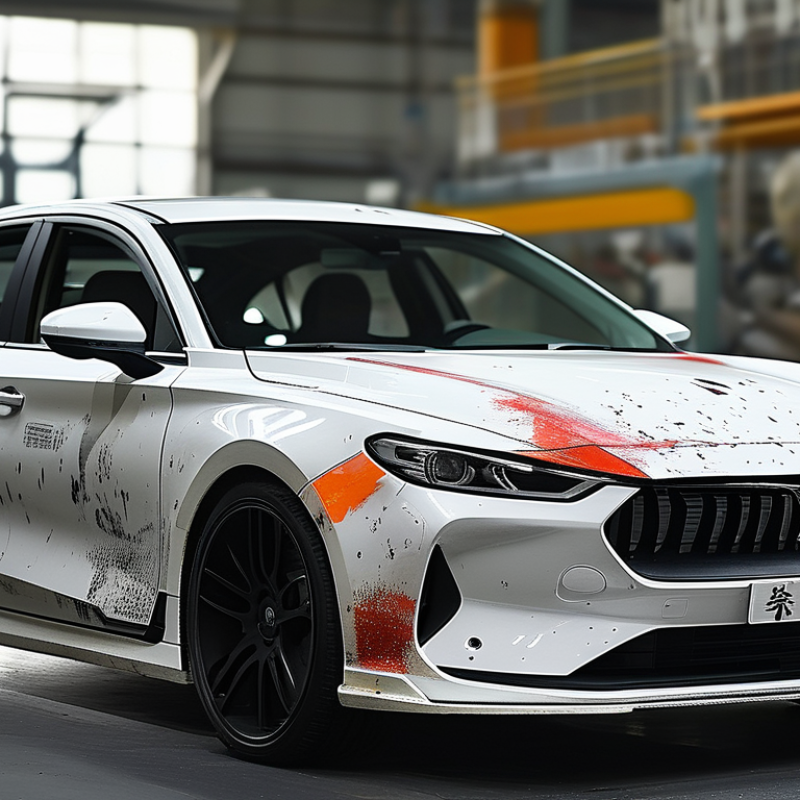
Overview of Plastic Coating Technology for Automobiles in China
Plastic coating technology for automobiles in China has gained considerable traction in recent years. This method involves applying a protective layer of plastic to car surfaces. It provides numerous advantages that enhance the vehicle's longevity and appearance. The coating acts as a shield against various environmental factors, including UV rays, salt, and pollution.
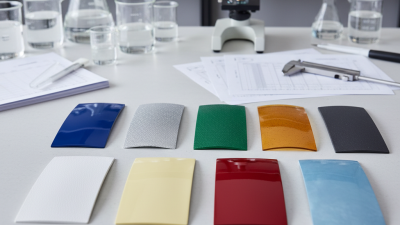
In addition to protection, this coating offers aesthetic benefits. It can be customized in various colors and finishes. This allows car owners to personalize their vehicles beyond standard paint options. However, not all coatings are created equal. Some may not adhere properly, leading to peeling or discoloration. It's essential to choose high-quality materials and professional application methods to avoid these issues.
Furthermore, while plastic coatings can improve durability, they require regular maintenance. Neglecting this can lead to unsightly wear and tear. Some users notice that dirt and grime can accumulate, which may compromise the coating’s effectiveness. The balance between protection and upkeep is crucial for maximizing the benefits of this technology in the long run.
Advantages of Plastic Coating for Car Durability and Protection
In recent years, plastic coating has gained popularity among car owners in China. This innovative process enhances car durability and protection significantly. The coating forms a strong shield against environmental elements like UV rays, moisture, and dirt. By applying plastic coating, cars resist scratches and minor dents better than those without it. This is particularly beneficial in urban areas where traffic and road conditions can be harsh.
Moreover, the plastic coating can lead to easier car maintenance. Dirt and grime are less likely to adhere to coated surfaces. A simple wash is often enough to keep the car looking pristine. However, there can be drawbacks. Not all plastic coatings are created equal, and the wrong choice may not provide the desired level of protection. Some coatings can also lead to a build-up of grime if not applied correctly.
Choosing the right plastic coating requires research and expert advice. Vehicle owners must recognize the importance of professional application. An uneven coating or improper technique can lead to peeling over time. It’s essential to weigh the potential pros and cons before committing to this protective measure. Understanding these aspects can lead to more informed decisions and better car care in the long run.
Impact of Plastic Coating on Car Aesthetics and Value Retention
Plastic coating for cars has gained popularity in China. This protective layer offers more than just scratches prevention. It significantly enhances a car's aesthetic appeal. The glossy finish can make a vehicle appear newer, catching the eye of potential buyers.
The impact on value retention is significant. A car with a well-maintained plastic coating can fetch a higher resale price. Buyers often prefer vehicles that show minimal wear and tear. However, not all coatings are created equal. Some may fade over time or show signs of wear sooner than expected. This inconsistency calls for careful selection and application.
Regular maintenance is essential for longevity. A hastily applied coating can lead to bubbles or uneven texture, detracting from the overall look. Ensuring proper application requires expertise, which can sometimes be overlooked. Car owners must weigh their options and consider the long-term effects of plastic coating. While it presents benefits, it’s not guaranteed to last indefinitely without proper care.
Benefits of Plastic Coating for Cars in China
Environmental Considerations in Plastic Coating Applications for Vehicles
Plastic coating applications for vehicles in China have raised important environmental considerations. While these coatings provide a protective layer that enhances vehicle durability and aesthetics, their production and disposal can have significant environmental impacts.
The global plastic coatings market reached approximately $5.5 billion in 2022, and a sizable portion of this is from the automotive sector. As consumer demand increases, manufacturers must prioritize sustainable practices.
One concern is the sourcing of raw materials. Many plastic coatings utilize petrochemical-based components, which contribute to pollution and depletion of fossil fuels. According to a report from the China National Chemical Corporation, the production of these materials releases greenhouse gases, accounting for about 7% of the nation's total emissions. Additionally, improper disposal of vehicles coated with plastic can lead to microplastics entering the ecosystem, posing risks to both wildlife and human health.
Recycling initiatives are vital to mitigate these environmental impacts. The vehicle lifecycle management report suggests that only 25% of plastics used in automotive applications are currently recycled. There is a pressing need for manufacturers to innovate in recycling technologies and adopt more environmentally friendly materials. Addressing these challenges is crucial for fostering a sustainable future in the automotive industry and reducing the ecological footprint of plastic coatings.
Cost-Effectiveness of Plastic Coating Compared to Traditional Finishes
Plastic coating offers a modern alternative to traditional finishes for cars, especially in China. This process involves applying a durable layer that enhances the vehicle's aesthetic and protective qualities. Compared to standard paint jobs, plastic coatings are often more affordable. The initial expense may be lower, leading to significant savings over time.
Another advantage is the reduced frequency of maintenance. Traditional finishes can chip and fade, requiring regular touch-ups. In contrast, plastic coatings resist scratches and weather damage. This long-lasting solution means fewer trips to service centers, ultimately saving money. Workers familiar with this technology often highlight its ease of application.
While many appreciate the benefits, there are considerations. Not every vehicle or owner may suit this finish. Some may prefer the classic look of paint. Additionally, there might be inconsistencies in application quality. If not applied correctly, the coating can peel or bubble. A knowledgeable technician can minimize these pitfalls. Nonetheless, the shift towards plastic coatings is gaining traction in the industry.
What are the Benefits of Plastic Coating for Cars in China? - Cost-Effectiveness of Plastic Coating Compared to Traditional Finishes
| Benefits |
Plastic Coating |
Traditional Finishes |
Cost Comparison |
| Durability |
High resistance to scratches and chips |
Moderate durability, prone to damage |
More cost-effective in long-term |
| Weight |
Lighter than traditional coatings |
Heavier and thicker |
Saves on fuel consumption |
| Environmental Impact |
Less harmful chemicals used |
Higher VOC emissions |
Lower environmental penalties |
| Application Process |
Quick and easy application |
Longer curing time |
Reduced labor costs |
| Aesthetic Variety |
Wide range of colors and finishes |
Limited options |
Better customization potential |