How to Apply Plastic Coating for Cars to Enhance Protection and Shine?
The automotive industry is constantly evolving, with new technologies emerging to enhance vehicle protection and aesthetics. One such innovation is the use of plastic coating for cars. This protective layer not only enhances the vehicle's shine but also guards against environmental damage. According to a report from MarketsandMarkets, the global automotive protective coatings market is projected to reach $2.5 billion by 2025, driven by a growing emphasis on vehicle longevity and aesthetics.
Plastic coating for cars serves multiple purposes. It defends against scratches, UV rays, and chemical exposure. The application of this coating can significantly reduce the frequency of repainting, thereby saving costs in the long term. An increasing number of car enthusiasts and professionals recognize its benefits. However, applying plastic coating is not without challenges. It requires a precise technique to avoid defects and ensure even coverage.
As advancements in plastic coating technology unfold, understanding the right application methods is essential. Despite its advantages, some users report uneven finishes or bubbles. These issues highlight the need for proper technique and expertise. Even with extensive research available, there remains a gap in practical guidance for effective application.
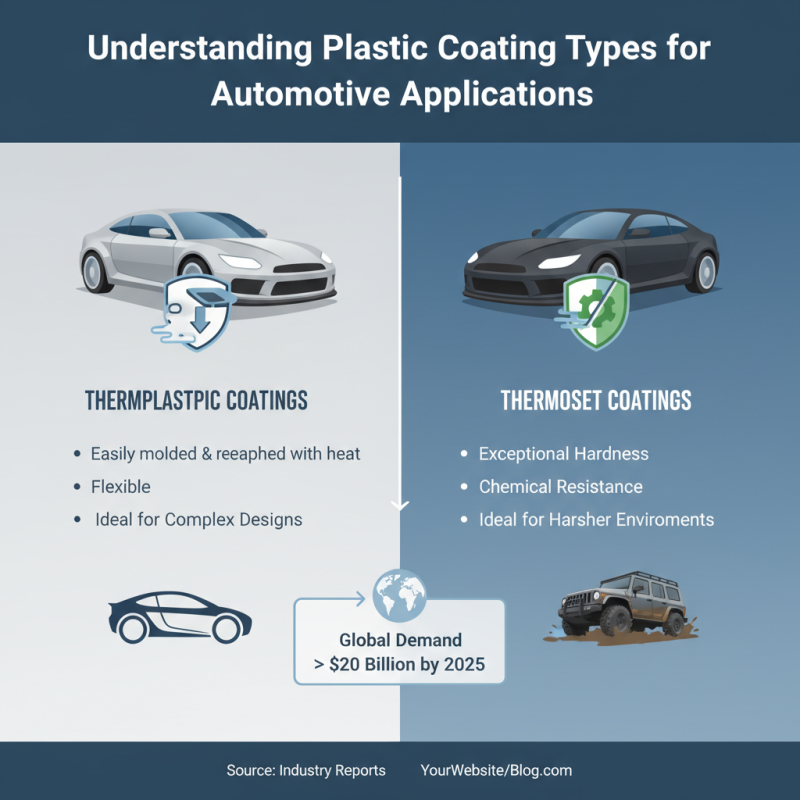
Understanding Plastic Coating Types for Automotive Applications
When considering plastic coatings for automotive applications, understanding the various types is crucial. There are two primary categories: thermoplastic and thermoset coatings. Thermoplastic coatings are easily molded and reshaped upon heating. This flexibility can be particularly beneficial for vehicles with complex designs. In contrast, thermoset coatings offer exceptional hardness and chemical resistance, making them ideal for harsher environments. According to industry reports, global demand for automotive coatings has been projected to exceed $20 billion by 2025.
Plastic coatings also come in different formulations, including polyurethane, epoxy, and acrylic. Polyurethane coatings are known for their glossy finish and durability. Epoxy coatings provide strong adhesion and excellent resistance to corrosion. On the other hand, acrylic coatings offer a more aesthetic appeal with vibrant color options. A study indicated that vehicles treated with high-quality plastic coatings can experience up to a 50% increase in surface protection compared to untreated surfaces.
Despite these advantages, the application process can be challenging. Improper surface preparation or incorrect mixing ratios can lead to peeling or a lack of adhesion. Experienced professionals stress the need for thorough surface cleaning and priming. Even minor contaminants can compromise the coating’s effectiveness. Therefore, investing time in understanding these coating types and their specific requirements is vital for achieving desired results.
Benefits of Plastic Coating for Vehicle Protection and Aesthetics
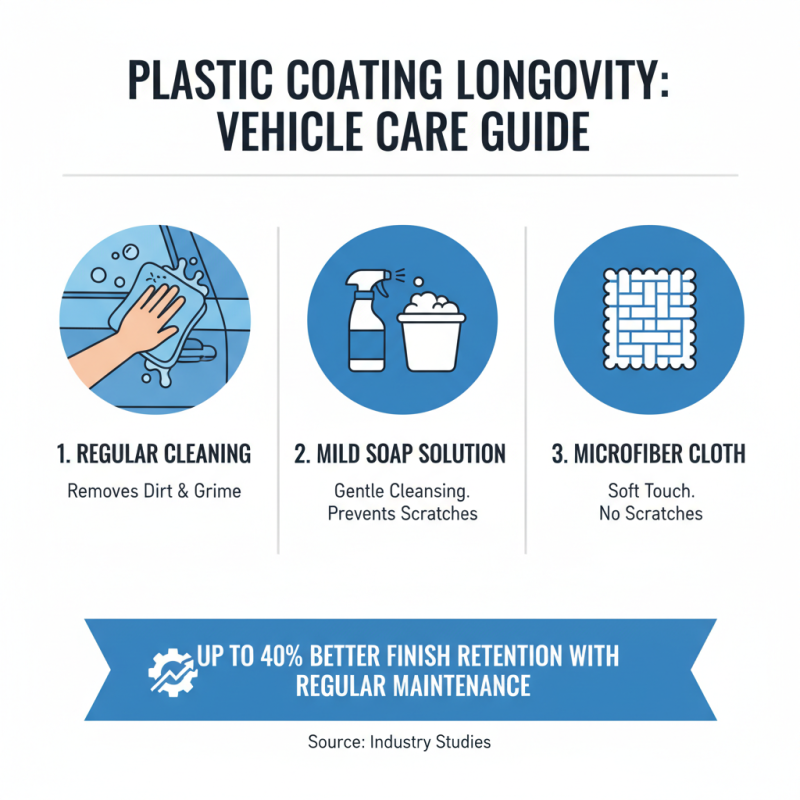
Plastic coating offers remarkable benefits for vehicle protection and aesthetics. This innovative solution enhances the durability of your car's exterior. It creates a strong barrier against environmental elements like UV rays, dirt, and gravel. Each layer of coating contributes to a glossy finish, making your car shine. With regular maintenance, this shine can last for years.
Applying plastic coating requires careful preparation. A clean surface is crucial, as dirt and grease can lead to a poor bond. However, even with thorough cleaning, some imperfections might remain unnoticed. Small scratches or existing paint flaws can appear more prominent after coating. It's essential to consider these details before application.
Moreover, plastic coatings can be tricky to apply evenly. Inexperienced hands might struggle with achieving a smooth finish. Uneven application can result in dull patches or inconsistent shine. Periodic assessment of the coating's performance is also vital. Monitoring any signs of wear can help you maintain its protective benefits. Adjusting your maintenance routine may be necessary to ensure long-lasting results.
Step-by-Step Process for Applying Plastic Coating on Cars
Applying a plastic coating to your car can greatly enhance its protection and shine. Start by selecting the right environment. A well-ventilated space free from dust is ideal. Grab the necessary tools: a microfiber cloth, a polisher, and the plastic coating solution.
Cleaning the car is crucial. Wash it thoroughly to remove dirt, grime, and old wax. Remember, any debris will affect the coating's smoothness.
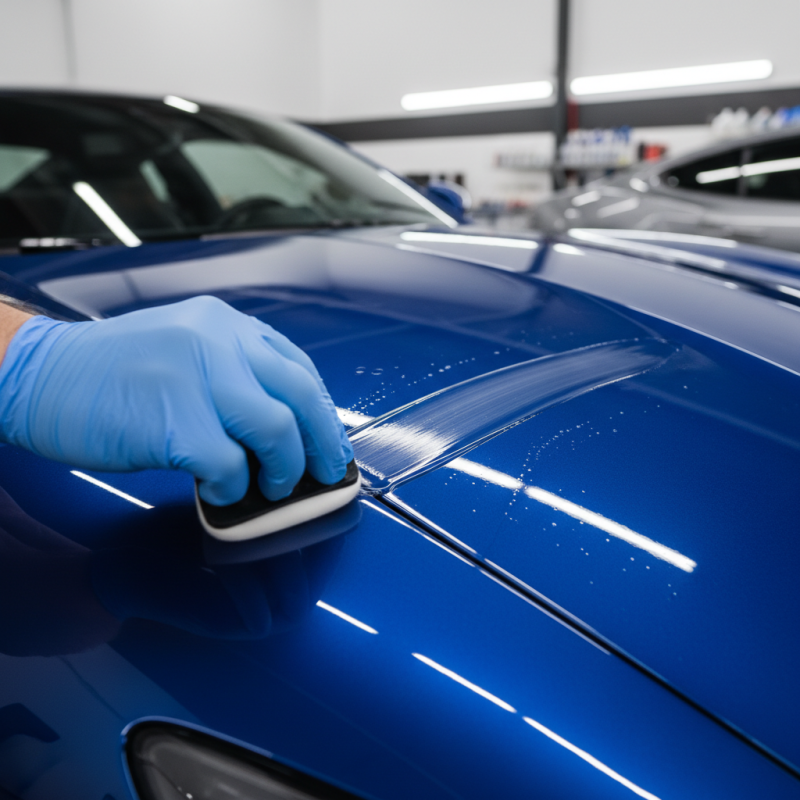
Next, dry the car completely. Ensure there are no water spots. Apply a small amount of the coating to your applicator and start at one section of the car. Work in straight lines, applying even pressure. Less is often more with these solutions. If applied too thick, it may not cure properly. Take your time. After coating a section, allow it to cure for the recommended time stated in the product instructions. This step can’t be rushed.
Review your work as you go. Many people miss spots, especially on curved surfaces. If needed, apply a second coat after the first one has cured. Some may find this method daunting, but practice makes perfect. Every application will teach you how to better handle the product. Mistakes are learning opportunities. Don’t hesitate to refine your technique over time.
Recommended Tools and Safety Precautions During Application
When applying plastic coating on cars, it is crucial to prioritize safety. Personal protective equipment (PPE) plays a significant role. Recommended gear includes gloves, goggles, and a respirator mask. According to the Occupational Safety and Health Administration (OSHA), exposure to chemicals can lead to respiratory issues. Thus, ensure that your workspace is well-ventilated. This reduces inhalation of potentially harmful fumes.
Before application, gather necessary tools. A pressure sprayer, foam applicator, and microfiber towel are essential. A study by the American Coatings Association indicated that improper application techniques can reduce coating effectiveness by up to 30%. Applying in direct sunlight or high humidity can cause adhesion problems. Ideal conditions for application are a cool, dry day. Always refer to the manufacturer’s guidelines for best practices. Remember, even minor oversights can compromise the coating's durability and appearance.
How to Apply Plastic Coating for Cars to Enhance Protection and Shine?
| Tools Required |
Purpose |
Safety Precautions |
| Plastic Coating Kit |
To apply a protective layer |
Wear gloves and mask |
| Spray Gun |
For even application |
Use in a well-ventilated area |
| Buffer or Polisher |
To enhance shine |
Avoid skin contact |
| Microfiber Cloth |
For wipe-down and finishing |
Keep away from children |
| Masking Tape |
To protect non-target areas |
Follow manufacturer's instructions |