Top 10 Tips for Choosing the Best Plastic Coating Solutions?
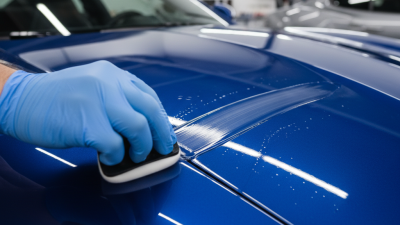
When selecting the right plastic coating, several factors come into play. With countless options available, navigating this market can feel overwhelming. Plastic coating isn't just about aesthetics; it's essential for durability and protection. Many industries rely on these coatings for various applications, from automotive to consumer goods.
Understanding the specific needs of your project is crucial. Not all plastic coatings are created equal, and each type offers unique benefits. Some provide enhanced resistance to chemicals, while others focus on UV protection. A wrong choice can lead to failures and increased costs.
Additionally, quality matters. Trustworthy manufacturers often provide data sheets and test results. This transparency reflects their authority in the industry. Don't rush your decision. An informed choice ensures that your project stands out and performs consistently. Embrace the process; it can lead to better results.
Understanding Different Types of Plastic Coatings Available on the Market
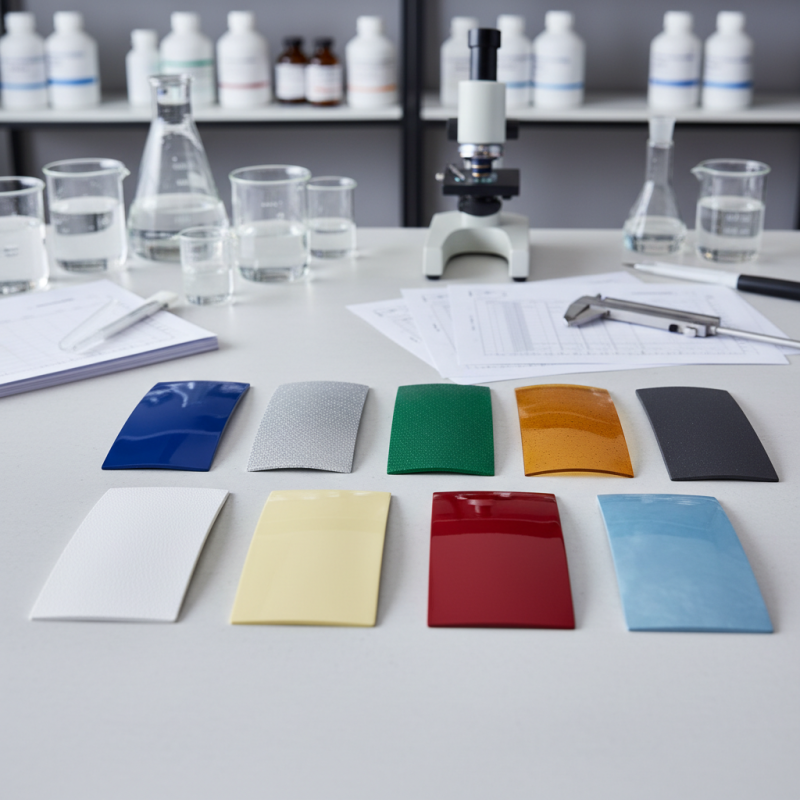
When selecting plastic coating solutions, understanding the various types available is crucial. Key categories include thermoplastic coatings, thermosetting coatings, and powder coatings. According to a report by Research and Markets, the global market for plastic coatings is projected to grow significantly, reaching $25 billion by 2025. Each coating type has its unique benefits and applications, which can affect the final product's durability and aesthetics.
Choosing the right plastic coating involves considering factors like application method and compatibility with materials. For instance, thermoplastic coatings offer flexibility and are often used in automotive applications. On the other hand, thermosetting coatings provide chemical resistance and strong adhesion, making them ideal for industrial uses.
Tip: Always evaluate the environmental impact of your choices. Some coatings can release volatile organic compounds (VOCs), which may pose health risks. Another important aspect is surface preparation. Clean surfaces ensure better adhesion, ultimately enhancing the coating's longevity. Remember, investing time in research pays off in achieving the best results.
Evaluating Performance Characteristics of Plastic Coating Solutions
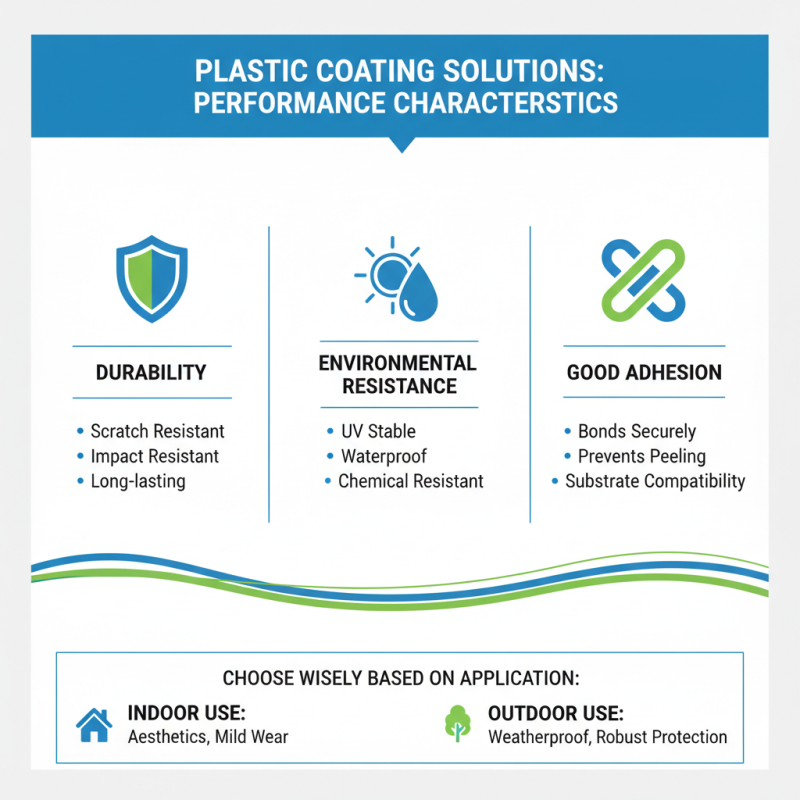
When evaluating plastic coating solutions, performance characteristics are crucial. A high-quality coating should offer durability, resistance to environmental factors, and good adhesion. Consider the specific requirements of your project. For example, where will the coated items be used? Indoor or outdoor applications may need different coatings.
Assess the toughness and flexibility of coatings. A rigid coat might crack under stress. Meanwhile, too much flexibility can lead to wear over time. Examine samples to test their physical properties. Look for surface hardness or scratch resistance.
Tip: Always request product data sheets. These documents provide insights into performance metrics. Understanding the terminologies used in these sheets can significantly impact your choices. Another helpful approach is to conduct real-world tests. This method helps in identifying how well the coatings withstand expected use conditions. Evaluating these factors will lead to better long-term results.
Assessing Environmental Impact and Sustainability Considerations
When considering plastic coating solutions, environmental impact is crucial. A 2021 report by the International Association of Plastics Engineers emphasized that coatings release volatile organic compounds (VOCs). These emissions can significantly contribute to air pollution. Selecting low-VOC or water-based coatings helps reduce this impact.
Sustainability isn't just a trend; it's essential. The global market for sustainable coatings is projected to reach $10 billion by 2025, according to a study from MarketWatch. This shift reflects growing awareness of environmental responsibility among manufacturers. Companies are now more inclined to choose coatings derived from renewable resources.
However, the challenge lies in balancing performance and sustainability. Many eco-friendly coatings may not match the durability of traditional options. The need for frequent reapplication can negate their environmental benefits. It’s important to weigh long-term performance against initial ecological advantages. This ongoing reflection makes informed decisions essential for sustainable practices.
Analyzing Cost Factors and Budget Constraints for Coating Projects
When analyzing cost factors for plastic coating projects, it's crucial to account for material quality. Higher-quality coatings often come with a higher price tag. These materials tend to offer better durability and performance. This initial investment can lead to long-term savings on repairs and replacements.
Budget constraints can also limit options, pushing decision-makers to opt for cheaper coatings. However, this choice might not be ideal. Lower-cost solutions may require more frequent maintenance. It’s essential to weigh short-term savings against potential long-term costs. A detailed cost-benefit analysis can provide clearer insights.
Additionally, hidden costs often arise during the coating process. Think about preparation, application, and curing times. These factors can significantly impact the final price. Moreover, consider the expertise of the applicators. More skilled professionals may charge higher rates but can ensure better application quality. This often translates into fewer future issues. Understanding these elements can guide more informed decision-making.
Top 10 Tips for Choosing the Best Plastic Coating Solutions
This bar chart represents the cost factors involved in choosing the best plastic coating solutions. Each category highlights its relative importance in deciding the overall budget for coating projects.
Identifying Industry-Specific Requirements and Applications for Coatings
When selecting plastic coating solutions, recognizing the industry-specific requirements is crucial for success. For example, the automotive sector demands high durability and resistance to harsh chemicals. According to a report by the American Chemical Society, coatings in this industry must endure thermal cycling and UV exposure. Evaluating these needs ensures that the chosen coating will perform effectively under various conditions.
Tips for choosing the right solution include thoroughly assessing the environmental factors that may impact coating performance. Understand the end-use application. Coatings for the aerospace industry require lightweight solutions while maintaining structural integrity. Furthermore, conduct a review of compliance with industry standards. This will help ensure that the coatings adhere to safety and environmental regulations.
Another critical factor is compatibility with substrates. Certain coatings may not adhere well to specific materials. Experimenting with small samples can provide insights into adhesion and longevity. Industry studies have shown that improper adhesion can lead to premature coating failure, which emphasizes the importance of testing. Keep in mind that not all coatings perform equally well. Continuous evaluation and adaptation based on specific requirements will lead to better outcomes.