Top 10 Powder Coating Materials for Global Buyers Needs?
The global demand for high-quality powder coating materials continues to rise, driven by industries like automotive, aerospace, and appliances. According to a recent market analysis, the powder coating market is projected to reach $18.2 billion by 2026, growing at a CAGR of 6.2%. As manufacturers seek durable and eco-friendly finishes, understanding the top powder coating materials becomes essential.
Considerations such as chemical resistance, color retention, and application methods determine product choices. Materials like epoxy, polyurethane, and polyester hold diverse properties, impacting their suitability for different applications. The right selection influences the longevity and performance of coated products. Yet, not all options are perfect; each material has its limitations, such as temperature constraints and finish variations.
It's critical for buyers to evaluate the intended use and environmental impact of these materials. Research shows that advancements in technology are leading to innovations in powder coating formulations. However, despite these advancements, certain challenges persist in the consistency and quality control of these materials. Identifying the top ten powder coating materials offers valuable insights for informed decisions in the ever-evolving market landscape.

Top 10 Powder Coating Materials: An Overview of Industry Standards
Powder coating has become a preferred finishing technique due to its durability and aesthetic appeal. Industry standards dictate the use of certain materials to ensure consistency and reliability. According to a recent market report, the global powder coating market was valued at approximately $10 billion in 2022, reflecting its importance across various sectors.
Key materials in powder coatings include polyester, epoxy, and acrylics. Polyester resins dominate the market, accounting for about 45% of the total usage. Their weather resistance makes them ideal for outdoor applications. Epoxy powder coatings, on the other hand, are favored for their excellent adhesion and chemical resistance. However, they may not offer the same UV stability as polyesters, prompting a reconsideration based on intended use.
Despite the successful application of these materials, challenges remain. Quality control can vary significantly between suppliers. A study found that around 30% of users reported inconsistencies in finish quality. These discrepancies highlight the need for buyers to conduct thorough evaluations. Adhering to industry standards ensures that powder coatings meet performance requirements while reducing the risk of defects. In this way, buyers can make informed decisions that align with their specific needs.
Top 10 Powder Coating Materials
Key Properties of Powder Coating Materials That Affect Performance
When selecting powder coating materials, several properties significantly influence their performance. Durability is crucial; it determines how well the coating resists scratches, chemicals, and weathering. This is especially important for outdoor applications. The choice of resin type can affect chemical resistance dramatically. Polyester and epoxy resins have distinct advantages depending on the environment they will be used in.
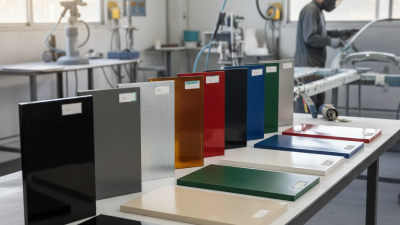
Another important factor is the thickness of the coating. A thicker layer often provides better protection. However, it also increases drying time and may affect appearance. Achieving the right balance can be challenging. Furthermore, colors and finishes play a role in aesthetics and functionality. Glossy finishes can enhance visibility but may show imperfections more easily.
Consider these aspects when choosing your materials. Testing small samples can reveal how each property behaves under real conditions. Meeting specific performance requirements is essential for overall satisfaction. Be aware that the application process can sometimes introduce variables that impact quality. Maintaining control during application will lead to more reliable results.
Market Demand Trends for Powder Coating Materials Globally
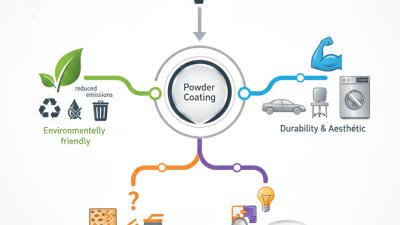
The global market for powder coating materials has seen significant shifts recently. Manufacturers are increasingly looking for durable and environmentally friendly materials. With rising awareness about sustainability, eco-friendly options are in high demand. These materials not only meet performance standards but also align with global green initiatives.
Key trends indicate a growing preference for polyester and epoxy powder coatings. Polyester coatings are favored for their weather resistance. On the other hand, epoxy powder coatings are ideal for industrial applications due to their strong adhesion properties. Buyers are also seeking innovative colors and finishes, which enhance aesthetic appeal.
Tips for buyers include researching suppliers who prioritize quality and sustainability. Evaluate the performance specifications of different materials to find the best fit. Stay informed about regulatory changes affecting powder coating materials. Regularly revisit your supplier relationships and be open to new entrants in the market. This ensures you have access to the latest innovations.
Keeping an eye on market trends is crucial. Some emerging coatings may not yet have established performance records. It is wise to proceed with caution. Balancing cost and quality can also be a tricky endeavor, making it important to reflect on long-term benefits versus short-term savings.
Comparative Analysis of Different Powder Coating Types and Applications
Powder coating is widely used across various industries for its durability and aesthetic appeal. Different types of powder coating materials serve distinct applications, from automotive parts to appliances. Each type varies in chemical composition, curing temperature, and desired finish. For instance, epoxy powder coatings offer excellent adhesion and resistance to corrosion, making them ideal for indoor applications.
Polyester coatings, on the other hand, are preferred for outdoor use due to their superior UV resistance. According to a market research report by Grand View Research, the global powder coating market is projected to grow at a CAGR of 6.6% from 2021 to 2028, reflecting rising demand in sectors like architecture and automotive. Understanding the strengths and weaknesses of each type can help buyers make informed decisions.
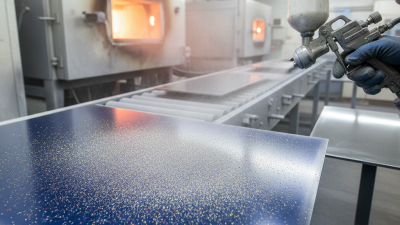
Consider the environment when selecting a powder coating. Some formulations may release harmful the volatile organic compounds (VOCs) during application, which raises health concerns. Always verify the specifications of your chosen coating material. Additionally, application technique plays a critical role in performance. Improper application can lead to issues like uneven coverage or poor durability. Maintaining optimal conditions during application is essential for achieving desired results.
Sustainability Practices in the Production of Powder Coating Materials
Sustainability is vital in the production of powder coating materials. Recent reports indicate that up to 70% of powder coating products can be derived from recycled materials. This reduction in raw material usage significantly lowers the carbon footprint associated with manufacturing.
Many manufacturers are now adopting eco-friendly solvents and additives. These materials can reduce volatile organic compounds (VOCs) emissions by over 50%. This transformation is crucial for protecting environmental quality. The industry is seeing a shift towards using bio-based resins. Such innovations can offer performance comparable to traditional materials while supporting sustainability goals.
However, challenges remain. Not all recycled materials meet stringent quality standards. This inconsistency can affect product performance, leading to mixed results in applications. Additionally, not every manufacturer invests in sustainable practices. The lack of widespread adoption indicates a need for industry-wide standards. The journey toward full sustainability is ongoing, with many opportunities to improve processes and reduce waste.