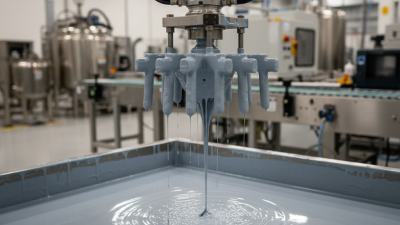
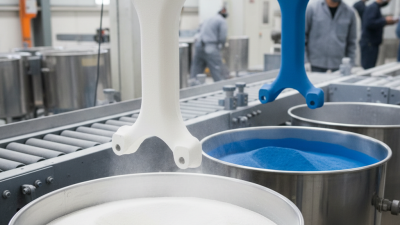
Plastic powder coating is a specialized finish, not a simple extension of conventional metal coating. It must bond to a substrate that may soften, warp, or lose shape under heat. That makes resin compatibility, surface preparation, and curing temperature central questions when comparing Chinese manufacturers. A glossy sample is useful. It is not proof of long-term performance.
Grand View Research estimated the global powder coatings market at about US$13.1 billion in 2023 and projected growth through 2030. Its estimate covers powder coatings broadly, not plastic-specific formulations, so it should not be treated as a forecast for plastic powder coating alone. That distinction matters. Buyers should ask suppliers for substrate-specific test results, recommended film thickness, cure schedules, and documented adhesion or impact testing. A small trial on the actual plastic part can reveal problems that a catalogue cannot.
This guide introduces ten manufacturers in China and offers a practical starting point for supplier checks. Compare their technical support, production consistency, sample process, and experience with the intended polymer—not only quoted price or color range. Ask how they control powder particle size and verify each batch. Request clear technical data sheets, too. Even then, public information may not confirm every factory’s real capacity or quality controls; independent verification remains sensible. Coating performance depends on the part, process, and application conditions, and no supplier ranking can replace a controlled production trial.
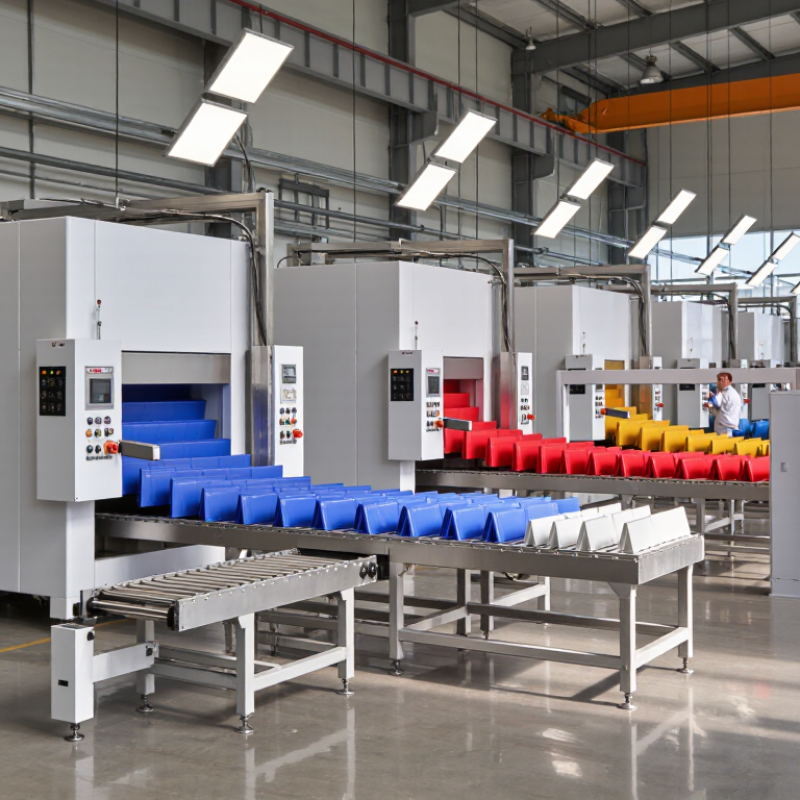
Plastic powder coating in China begins with carefully selected polymer resins, pigments, and performance additives. Manufacturers blend these ingredients, melt-compound them, cool the material, then grind and screen it into powder. Particle size matters. Uneven grains can produce patchy coverage, especially around corners and narrow edges. The finished powder is applied to prepared metal parts, often by electrostatic spraying or fluidized-bed dipping, then heated until it melts into a continuous layer.
Coated steel pipes, wire baskets, handrails, and outdoor equipment are common examples. The coating can help resist moisture, abrasion, and corrosion, but results depend on the resin, surface preparation, and curing conditions. Workers may check film thickness and inspect samples for pinholes or weak adhesion. The process sounds tidy on paper; shop floors are less predictable. A small temperature shift can change the finish, and that variation deserves attention.
Tips: Ask how the supplier controls particle size and curing temperature. Request a sample on your actual part, not a flat test panel alone. Check edges, welds, and recessed areas closely. A smooth surface is useful, but it does not prove long-term performance. Confirm the coating suits the part’s environment and expected wear.
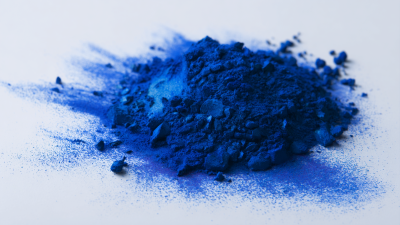
Ranking Chinese plastic powder coating manufacturers requires more than comparing catalogues. A useful assessment begins with application fit: substrate type, service temperature, desired finish, and production method. For plastic parts, heat sensitivity matters. A supplier should explain its recommended curing window and provide test results on representative panels. Check particle distribution, film thickness, adhesion, impact resistance, and color consistency across batches.
Manufacturing capability is easier to judge with evidence than claims. Review technical data sheets, batch inspection records, sample availability, and the responsiveness of application engineers. Ask how coatings perform after abrasion, humidity exposure, and routine handling. Test conditions should be stated clearly. Production capacity, lead-time consistency, packaging, and defect handling also affect factory use. Small details matter.
Technical support deserves weight in any ranking. Can the manufacturer help troubleshoot orange peel, poor adhesion, or uneven coverage with specific process guidance? Delivery support and clear communication can reduce delays, though they are harder to compare objectively. The weighting is imperfect: a low-temperature formulation may suit one plastic component and fail on another. Independent trials on the intended substrate remain important.
China’s plastic powder coating manufacturers differ in polymer systems, curing temperatures, and substrate expertise. Grand View Research estimated the global powder coatings market at USD 13.2 billion in 2023, with a projected 5.8% compound annual growth rate from 2024 to 2030. That figure covers powder coatings broadly, not plastic-grade products alone. Public data rarely ranks Chinese suppliers by plastic coating output, so these ten profiles describe useful capability groups rather than a verified league table.
These groups can overlap. That complicates comparisons.
For buyers, request coating data sheets, substrate-specific test results, and curing conditions. A powder that performs well on metal may fail on plastic. Check adhesion after heat exposure, impact resistance, and film appearance on the actual component. Sample panels help, but production-line trials matter more.
One caution: marketing claims alone are weak evidence; independent test records are stronger.
Comparing China’s plastic powder coating manufacturers requires more than counting product types. A useful review checks whether suppliers offer powders for different plastics, finishes, colors, and curing temperatures. Ask for technical data sheets and sample panels. A smooth surface can hide poor adhesion, so test parts under the conditions used in production.
Capacity matters when a small trial must grow into regular orders. Compare stated monthly output with equipment, lead times, minimum order quantities, and color-change procedures. A large number alone proves little. Request recent batch records or a production schedule, where available. Details can vary by season, and published capacity may not reflect current availability.
Certifications also need careful checking. Confirm the certificate’s scope, issuing body, validity dates, and whether it applies to the specific factory and product. Quality-system certification is not the same as approval for a particular end use. Ask how the supplier controls incoming resin, particle size, and curing performance. Keep records from your own tests. The comparison is imperfect; public information may be incomplete, and I would not rank suppliers confidently without verified documents and samples. Include after-sales support and response time in the assessment, too. Small details matter.
When comparing plastic powder coating manufacturers in China, look beyond catalog photos and quoted prices. Ask whether the supplier makes the powder in-house or resells it. Request technical data for resin type, particle size, recommended film thickness, curing range, and storage life. A clear answer is useful; vague promises are not.
Test the powder. Request samples in the colors and finishes you need, then apply them to your actual plastic substrate. Check adhesion, appearance, and resistance to the conditions the part will face. Ask for batch records and quality-control procedures. If possible, compare samples from different production lots. One successful sample does not prove consistency.
Review the factory’s equipment, production capacity, and inspection process through a live video call or an independent audit. Confirm packaging, lead times, minimum order quantities, and how damaged or inconsistent batches are handled. Keep records. It is easy to overvalue a low quote; that can be a mistake. A smaller trial order may reveal communication gaps before a larger commitment. Suppliers may not control every variable in your application, so document your own processing settings and share them when discussing defects.
A practical, weighted scorecard for comparing suppliers. It is not a verified ranking of named manufacturers; scores should be assigned only after reviewing documents, samples, and test results.
| No. | Evaluation dimension | Weight | Evidence to request | How to evaluate | Suggested sourcing action |
|---|---|---|---|---|---|
| 1 | Product and application fit | 12% | Technical data sheets (TDS), available resin types, finish options, and recommended application conditions. | Check that the proposed powder is intended for your substrate, part geometry, end-use environment, and curing equipment. | Send a written specification covering substrate, finish, performance needs, and target film thickness before requesting a quote. |
| 2 | Batch consistency and quality control | 14% | Written inspection procedures, batch records, retained-sample policy, and recent batch-specific test reports. | Compare color, gloss, particle-size data, and application results across batches against agreed tolerances; do not assume one universal tolerance suits every product. | Approve a reference sample and define measurable acceptance limits in the purchase specification. |
| 3 | Performance testing and validation | 12% | Test reports showing the method, sample preparation, coating conditions, and results. | Use tests relevant to the application, such as adhesion (ISO 2409 or ASTM D3359) and salt-spray exposure (ISO 9227), with agreed substrate and test conditions. | Run sample panels or production parts using your own preparation and curing process before placing a bulk order. |
| 4 | Factory quality-management system | 12% | Current quality-system certificate, issuing body, scope, validity dates, and manufacturing-site address. | Verify the certificate with the issuing or accreditation body and confirm that its scope covers the site and relevant operations. | Treat certification as supporting evidence, not a substitute for product qualification or an audit. |
| 5 | Production capability and capacity | 10% | Production-process overview, equipment list, stated capacity, shift pattern, and recent production schedule. | Assess whether the supplier can meet your actual order volume and product mix; distinguish stated maximum capacity from available capacity. | Ask for a production plan for a trial order and confirm how urgent or repeat orders are scheduled. |
| 6 | Traceability and corrective action | 10% | Sample batch label, certificate of analysis (if available), raw-material and finished-goods traceability process, and nonconformance procedure. | Check whether a delivered lot can be linked to production records and whether the supplier documents investigation and corrective actions. | Agree on lot identification, complaint response, replacement or credit procedures, and record-retention expectations. |
| 7 | Technical support and communication | 8% | Named technical contact, response process, application guidance, and documented troubleshooting examples. | Evaluate response clarity and whether the team can discuss pretreatment, grounding, film build, curing, and defect diagnosis. | Use a technical questionnaire during sample trials and record response times and unresolved issues. |
| 8 | Regulatory and export documentation | 8% | Safety data sheet (SDS), product composition or compliance declarations where applicable, and shipping documents for the destination market. | Confirm that documentation matches the exact product and destination requirements; requirements such as REACH or RoHS depend on the product and intended market. | Have your compliance team review documents before purchase and request updates when formulations change. |
| 9 | Commercial terms and total cost | 7% | Itemized quotation, minimum order quantity (MOQ), sample charges, payment terms, quotation validity, and Incoterms® rule. | Compare like-for-like specifications and include packaging, testing, freight, duties, and potential wastage—not unit price alone. | Request a written quotation for the same specification and order quantity from each shortlisted supplier. |
| 10 | Packaging, storage, and delivery reliability | 7% | Packaging specification, storage and shelf-life guidance, dispatch records, and proposed shipping schedule. | Confirm protection against moisture, heat, contamination, and transit damage, and check that stated delivery timing includes production and shipping. | Agree on packaging, shipment milestones, and the process for reporting damage or delivery delays. |
| Total weight | 100% | Suggested scoring: rate each dimension from 0 to 5, then multiply the rating by its weight and divide by 5. | |||
Suggested score interpretation: 85–100 = strong candidate for final qualification; 70–84 = shortlist and verify gaps; below 70 = resolve major concerns before ordering. These are buyer-side decision guidelines, not industry certification thresholds.