What Is Plastisol Coating and How Is It Used?

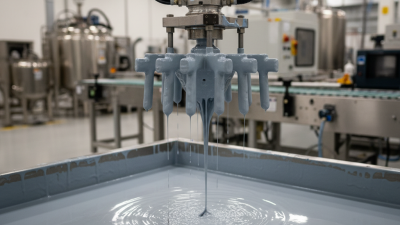
Plastisol coating is a liquid dispersion of PVC resin, plasticizers, pigments, and stabilizers. It looks fluid before heating. After controlled fusion, it becomes a flexible, durable plastic layer. The process resembles baking: heat transforms a smooth dip into a bonded finish.

Its uses are practical and visible. Manufacturers coat metal tool handles, wire baskets, fabric backings, automotive parts, and appliance components. A properly fused layer can resist abrasion, moisture, chemicals, and repeated handling. Temperature matters greatly. Many formulations fuse between approximately 160°C and 210°C, although exact settings depend on resin grade, thickness, and equipment.

George Wypych, a recognized PVC materials author, states, “Plastisol performance depends on formulation, processing, and final fusion.” That principle deserves attention. A thick coating may look impressive but cure unevenly inside. Poorly dispersed pigment can create weak spots. Real production experience often exposes these imperfections.

Industry data also needs careful reading. Grand View Research’s PVC market analysis shows strong demand across construction, automotive, packaging, and electrical applications. MarketsandMarkets reports similar growth across PVC-related materials. However, these reports usually group plastisol within broader PVC or coating categories. Exact plastisol figures therefore vary.

This article explains what plastisol coating is, how manufacturers apply it, and why formulation control matters. It also examines dipping, spraying, screen printing, and rotational coating. The goal is practical clarity, not exaggerated performance claims. A coating succeeds only when chemistry, heat, surface preparation, and inspection work together.

What Is Plastisol Coating and How Is It Used?

Plastisol Coating Defined: PVC Resin, Plasticizers, and Additives

Plastisol coating is a flexible finish made from PVC resin, plasticizers, and performance additives. PVC resin forms the basic structure after heating. Plasticizers soften the coating and improve flexibility. Additives can control color, adhesion, flow, durability, and resistance to chemicals or moisture. The mixture begins as a liquid or paste. It becomes a solid coating when heated to the correct fusion temperature. That change is practical and easy to observe. The surface often feels smooth and slightly elastic.

Manufacturers use plastisol on metal parts, wire baskets, tool handles, fabric, and protective surfaces. Application methods include dipping, spraying, and screen printing. Thickness depends on viscosity, temperature, and the number of coating passes. A thin layer may protect against light abrasion. A thicker layer can cushion edges and reduce noise. However, more material does not always mean better performance. Poor curing can leave a weak or tacky surface. In my experience, small test panels reveal problems earlier than full production runs. I have also seen good formulas fail when surface preparation was overlooked.

Tips: Clean and dry the substrate before coating. Check resin, plasticizer, and additive compatibility. Measure coating thickness at several points. Use controlled heating and confirm the actual part temperature. Review flexibility after cooling, not immediately after curing. Keep records of batch conditions. Small variations matter. Differences in mixing time, humidity, or oven airflow can change the final result. A coating may look acceptable but still need adhesion and abrasion testing.
How Plastisol Cures: Gelation and Fusion at 160–205°C

What Is Plastisol Coating and How Is It Used?

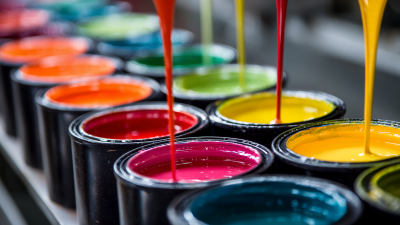
Plastisol is a liquid PVC dispersion that becomes a flexible coating after heating. Its cure depends on two linked stages: gelation and fusion. During gelation, PVC particles absorb plasticizer and lose their liquid flow. Fusion follows, creating a continuous polymer film.

Most industrial formulations gel between 160 and 180°C, then fuse between 180 and 205°C. These values align with temperature ranges reported in PVC-processing reviews and ASTM-based laboratory studies. The actual coating temperature matters more than the oven display. A thick steel panel may need several minutes to reach the required core temperature. A 2024 industrial energy report also notes that process-heating efficiency can vary widely between facilities, often because of airflow imbalance and heat loss. The number is useful, but never perfect.

Tips: Measure the metal surface with a calibrated probe. Do not trust air temperature alone. Check coating thickness at several points. Uneven films can look cured while remaining soft underneath. Overheating may darken the coating or reduce flexibility. Under-curing can cause tackiness, weak adhesion, and poor abrasion resistance. In my experience, a small test panel often reveals more than a confident oven setting. Recipe, substrate, airflow, and dwell time must be reviewed together.

How Plastisol Is Applied: Dipping, Spraying, Printing, and Fluidized Beds

Plastisol is a PVC-based coating that remains liquid until heated. It then forms a flexible, textured film. Plastics Europe reported 413.8 million tonnes of global plastics production in 2023, showing the scale of polymer processing. Plastisol uses only a small share of that volume, but application accuracy still affects waste, adhesion, and service life.

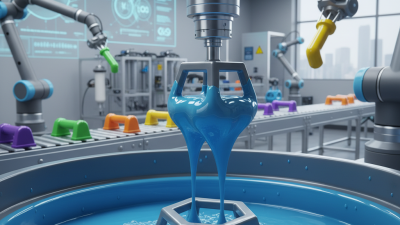
Dipping works well for wire racks, handles, and small metal parts. The heated substrate enters the plastisol, then exits with a visible wet layer. Spraying covers irregular shapes and large panels, but operators must control atomization, thickness, and ventilation. Printing places plastisol ink through a screen onto fabric. A conveyor oven then fuses the ink, often leaving a raised, rubber-like surface. Small errors matter.

Fluidized-bed coating uses heated parts inside a cloud of fine polymer particles. The particles melt on contact, creating a thicker, durable layer. ISO 8130-8 describes fluidized-bed coating test methods, supporting more consistent process checks. In practice, uneven preheating can produce thin corners or trapped bubbles. That weakness is easy to miss. A 2024 report from the Powder Coating Institute notes that thickness control and energy use remain key efficiency concerns in thermal coating operations. Plastisol is not automatically the best choice; the substrate, target thickness, cure profile, and handling conditions should be tested together.

Where Plastisol Is Used: Metal Parts, Textiles, Appliances, and Vehicles

Plastisol coating is a liquid PVC-based compound that becomes a tough, flexible film after heating. It adheres well to prepared steel, aluminum, and other substrates. Grand View Research estimates the global plastisol coatings market at roughly USD 3 billion in 2023, with steady growth expected through 2030. That estimate varies by research method.

Metal parts often receive plastisol for corrosion resistance, impact protection, and noise reduction. It appears on wire racks, tool handles, fasteners, and formed panels. A thick coating can soften vibration under a vehicle floor or inside a cabinet. Surface preparation remains critical. Poor cleaning can cause peeling, even when the formulation is suitable.

Textiles use plastisol inks for bold graphics, especially on cotton and blended fabrics. The International Textile Manufacturers Federation reported global fiber production above 120 million tonnes in 2023, showing the scale of the textile supply chain. Yet plastisol is not ideal for every garment. It can feel heavy, crack after poor curing, or reduce breathability. Testing matters.

Appliance manufacturers apply plastisol to shelves, baskets, trim, and protective components. The coating creates a smooth surface that resists chipping during daily handling. In vehicles, it protects underbody panels, wheel areas, brackets, and interior metal parts. OICA recorded more than 93 million motor vehicles produced worldwide in 2023, supporting continued demand for durable coatings. Still, heat, chemicals, and sunlight can expose weaknesses. Actual performance depends on film thickness, curing temperature, substrate condition, and service environment. Some published market figures should be treated cautiously.

How Plastisol Quality Is Tested: Adhesion, Thickness, Flexibility, and ASTM D3359

Plastisol is a liquid PVC coating that becomes a tough, flexible film after heating. It protects metal panels, wire, handles, and industrial parts from abrasion and moisture. Quality testing begins with adhesion. ASTM D3359 rates adhesion from 0B to 5B. A 5B result means no coating removal, while 0B indicates more than 65% removal. The test uses either an X-cut or cross-cut pattern, depending on coating thickness and surface conditions. Small details matter. A dirty substrate can create a false failure.

Film thickness also needs control. ASTM D7091 describes nondestructive measurements using magnetic or eddy-current instruments. Uneven thickness can produce soft edges, pinholes, or poor flexibility. However, a thicker film is not automatically better. It may hide surface defects while cracking during forming. Flexibility testing, commonly linked with ASTM D522 mandrel-bend procedures, exposes this weakness by bending the coated sample around a specified mandrel. Inspectors should record temperature, mandrel size, coating cure, and crack length. Results become unreliable when these details disappear.

Tips: Condition samples before testing. Use clean, calibrated tools. Record the actual thickness beside every adhesion result. Repeat borderline tests, because one perfect panel can mislead. ASTM D3359 is useful, but it does not measure every service condition. Real production includes impact, heat, moisture, and handling stress. A pass in the laboratory can still deserve review.