What is Plastic Dip Molding and How Can It Benefit You?
Plastic dip molding is a versatile manufacturing process that has gained popularity in various industries. It enables the creation of complex shapes and detailed designs while providing excellent durability. As industry expert Dr. Emily Richards states, "Plastic dip molding allows for precise control in production, enhancing product quality." This technique not only ensures consistency but also enables cost-effective manufacturing.
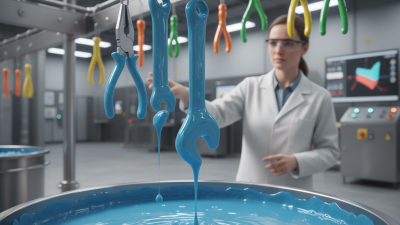
The plastic dip molding process involves dipping a mold into a heated plastic material, coating it evenly. This method offers advantages such as improved surface finish and weight reduction. Companies benefit immensely by using this process. For example, it enhances product longevity and provides better performance in harsh environments.
However, it's essential to acknowledge that plastic dip molding might not suit every application. The technology has its limitations, and evaluating its effectiveness in specific scenarios is crucial. The potential for waste materials also exists, urging manufacturers to innovate and refine their approaches. Embracing these challenges can lead to valuable insights and improvements in production methods.
What is Plastic Dip Molding?
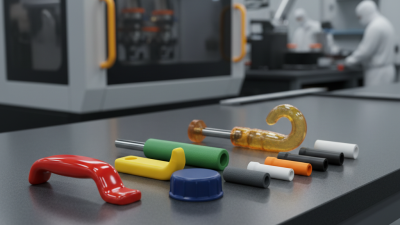
Plastic dip molding is a versatile manufacturing process. It involves coating a substrate with a liquid plastic that hardens into a durable layer. This method is commonly used to create non-slip grips or protective layers. It's ideal for small to medium runs of products, as it can be both cost-effective and efficient.
The process typically starts with heating a mold, then dipping it into a heated liquid plastic. Once the mold is removed and the plastic cools, it forms a strong bond. The outcome is a smooth, flexible coating. This technique provides excellent resistance to chemicals and abrasion. However, not every object may be suitable for this method. Some items may require additional finishing to achieve the desired look.
One notable advantage of plastic dip molding is design flexibility. Manufacturers can create various shapes and sizes with relative ease. This capability allows for customization, which is crucial in today’s competitive market. Nonetheless, the lack of uniform thickness can be a concern. Achieving consistent coverage takes practice and attention to detail.
Plastic Dip Molding Usage Statistics by Industry
The Process of Plastic Dip Molding Explained
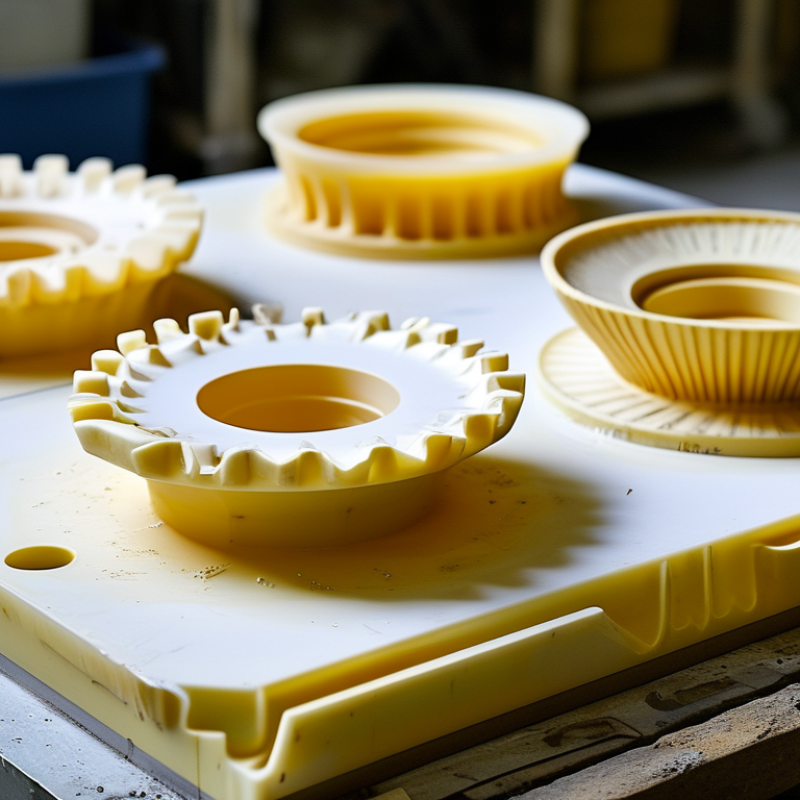
Plastic dip molding is a unique manufacturing process that creates plastic parts through immersion. During this process, a heated mold is coated with liquid plastic. The plastic then cools and solidifies, forming a part that matches the mold's shape.
This method offers several advantages. It is cost-effective for producing small to medium-sized batches. Manufacturers appreciate its ability to create complex shapes with minimal waste. Additionally, the surface finish is smooth, and it requires less post-processing than other techniques. However, there are challenges in achieving uniform thickness. This can result in weak spots or variations in product quality.
Experience plays a key role in achieving the desired consistency and quality. Understanding the material properties and the mold design is critical. Diligence in monitoring the process can help mitigate issues. For those seeking to explore plastic dip molding, it can lead to innovative solutions, provided the potential pitfalls are acknowledged.
Advantages of Plastic Dip Molding
Plastic dip molding is a process that offers several distinct advantages. One key benefit is its ability to create complex shapes easily. This technique uses a mold to produce items with intricate designs that traditional methods may struggle with. As a result, manufacturers can achieve precision in every detail, which is essential for high-quality production.
Another significant advantage is the flexibility of materials. Plastic dip molding allows the use of various plastics, tailored to specific applications. Whether it's a soft-touch grip or a durable housing component, the right material can enhance performance. This flexibility also helps in reducing waste, making the process more environmentally friendly.
Cost-effectiveness is another appealing factor. Initial setup costs may be higher, but the quick production cycles lead to lower overall expenses. Additionally, since the process minimizes scrap, companies can save money on raw materials. This makes plastic dip molding an attractive choice for both small-scale projects and large-scale manufacturing. Each of these benefits highlights the process's relevance in diverse industries.
Applications of Plastic Dip Molding in Various Industries
Plastic dip molding is gaining traction in various industries due to its versatility. This process involves coating an object with a plastic layer, creating a durable finish. The automotive sector, for example, uses this technique for vehicle components. It provides excellent protection against corrosion and wear. This makes parts last longer, reducing replacement costs.
Moreover, the electronics industry benefits significantly from plastic dip molding. By creating protective casings for sensitive components, manufacturers prevent damage from moisture and dust. These casings often have an appealing finish that enhances product aesthetics. However, achieving the right thickness and adhesion can be challenging. It’s essential to fine-tune the process for optimum results.
Medical applications also leverage plastic dip molding. Devices such as handles for surgical tools gain added grip and comfort from the molded layer. This process helps ensure that tools remain sterile. That said, precision is vital; any inconsistencies in the mold can affect performance. Each industry continues to explore how this molding technique can improve efficiency and safety.
Comparing Plastic Dip Molding with Other Molding Techniques
Plastic dip molding is a unique technique that offers distinct advantages over traditional molding methods. Unlike injection molding, which requires complex machinery and molds, dip molding uses a simpler process. A mold is dipped into a heated liquid plastic, allowing for a uniform coating. This makes it ideal for creating flexible and textured surfaces. Many industries favor this process for its lower costs and ease of production.
When comparing plastic dip molding with other methods, such as blow molding or extrusion, each has its strengths. Blow molding excels in creating hollow shapes, while extrusion is better for continuous forms. However, plastic dip molding stands out for its versatility. It allows for thick coatings, making it suitable for protective applications. While other methods might struggle with flexibility, dip molding provides an advantage in creating softer, more adaptable products. Yet, quality control is vital. Variations in temperature can lead to inconsistencies, which require careful monitoring. It's essential to weigh these factors when deciding on the best molding technique for your project.
What is Plastic Dip Molding and How Can It Benefit You? - Comparing Plastic Dip Molding with Other Molding Techniques
| Molding Technique |
Material Compatibility |
Production Speed |
Cost Efficiency |
Surface Finish Quality |
Typical Applications |
| Plastic Dip Molding |
PVC, Rubber |
Moderate |
High |
Good |
Handles, Grips, Insulation |
| Injection Molding |
Plastics, Metal |
High |
Very High |
Excellent |
Automotive Parts, Toys |
| Blow Molding |
PET, HDPE |
High |
Moderate |
Good |
Bottles, Tanks |
| Thermoforming |
Plastics (Sheet) |
Moderate |
Moderate |
Fair |
Packaging, Trays |