Choosing among the 2026 best at home powder coating kits requires more than comparing advertised spray ranges. Global buyers need practical evidence, dependable components, and clear safety guidance. A kit may look impressive online, yet perform poorly with damp powder, weak grounding, or inconsistent voltage. Small details matter.
This guide examines equipment for controlled home workshops, including hobby garages and small fabrication spaces. It considers gun design, powder control, grounding clamps, replacement parts, curing requirements, and technical support. A clean steel bracket, properly degreased and lightly abraded, can reveal a kit’s real consistency. Uneven coverage and orange peel often expose preparation or curing problems.
Safety remains essential. Powder should be handled with suitable ventilation, protective equipment, and responsible dust control. Curing requires an appropriate oven that is never used for food. Buyers should also confirm electrical compatibility, plug type, shipping restrictions, warranty terms, and local regulations before ordering. Certification marks may differ by market, so they deserve verification rather than automatic trust.
Not every “complete kit” is truly complete. Some omit useful hoses, filters, or reliable grounding hardware. Others provide limited instructions. That weakness deserves attention. Product availability and specifications can change during 2026, and supplier claims may not match workshop experience. The comparisons ahead favor transparent documentation, repeatable results, serviceable parts, and realistic value over bold marketing. A careful buyer may spend slightly more initially, but avoid wasted powder, damaged surfaces, and frustrating rework later.
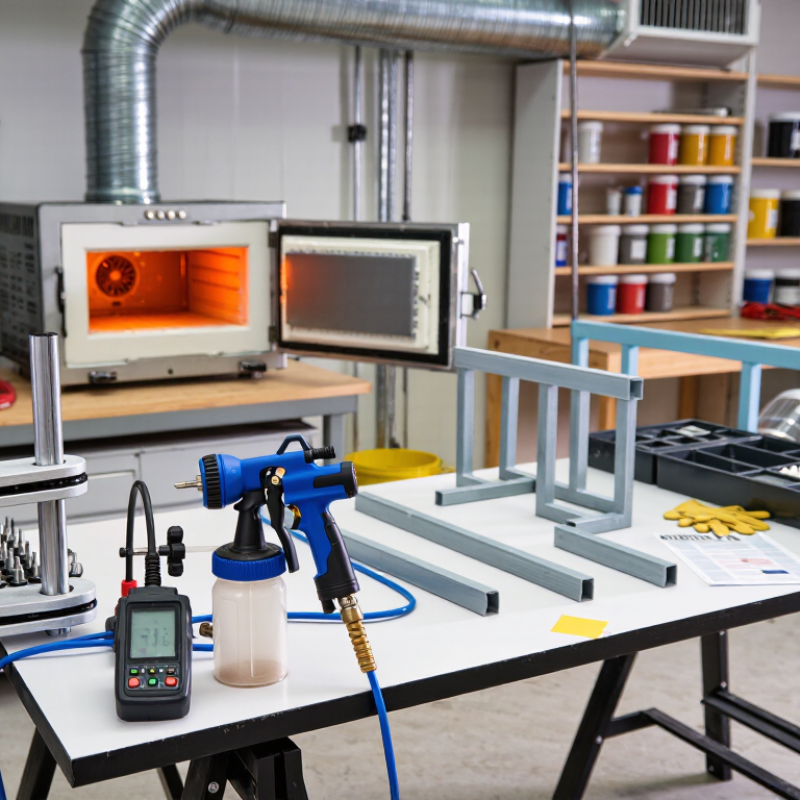
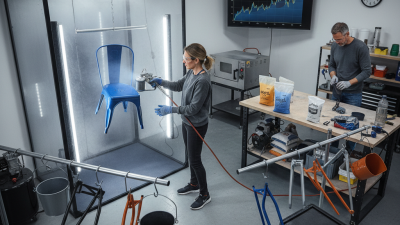
Home powder coating kits are compact systems designed to apply a dry finishing powder to metal parts. A typical kit includes a powder spray gun, control unit, air hose, grounding cable, and replacement nozzles. Some packages also include a small curing oven, while others require a separate electric oven.
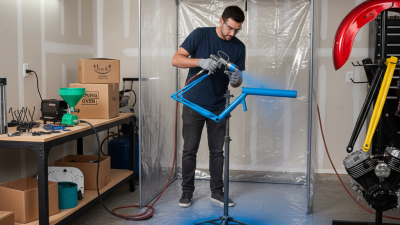
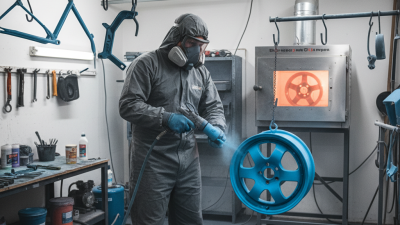
The process begins with careful surface preparation. Remove oil, rust, paint residue, and moisture from the metal. The spray gun gives powder particles an electrical charge. The grounded workpiece attracts these particles, creating an even layer around its surface. After spraying, the coated part enters a curing oven. Controlled heat melts the powder and forms a hard, continuous finish. Temperature accuracy matters. A thin bracket and a heavy steel frame may need different heating times. A household oven can sometimes work, but using it for food afterward is unsafe and unsuitable.
Tips: Test the coating on scrap metal first. Check powder coverage near corners and inside holes. Wear suitable respiratory and eye protection, and maintain strong ventilation. Keep the grounding connection clean and secure.
Clean preparation usually matters more than expensive equipment. I have seen attractive powder fail because fingerprints remained beneath the coating. That is an easy mistake to repeat. Uneven curing can also produce dull patches or a rough texture. Home users should measure the metal’s actual temperature, not only the oven’s display. Local electrical, ventilation, and waste-handling rules may also apply, so verify them before setting up a workspace.
| Kit Type | How It Works | Typical Output Voltage | Recommended Workpiece Size | Curing Requirement | Best Use Case | Global Buyer Considerations |
|---|---|---|---|---|---|---|
| Entry-Level Manual Kit | Compressed air carries electrically charged powder toward a grounded conductive workpiece. The powder adheres through electrostatic attraction before curing. | Approximately 20–100 kV, depending on the control setting and equipment design. | Small parts, brackets, tools, bicycle components, and panels that fit inside a home-sized curing oven. | A dedicated electric oven is normally required. Many thermosetting powders cure around 160–200°C, but the powder supplier’s technical data sheet controls. | Occasional DIY projects and small repair work. | Check local voltage, plug type, compressed-air fittings, warranty coverage, and availability of replacement hoses or nozzles. |
| Adjustable-Control Manual Kit | Allows the operator to adjust electrostatic output and powder delivery to improve coverage on flat surfaces, recesses, and edges. | Typically adjustable within a broad low- to high-voltage range; actual output varies by gun, controller, and workpiece geometry. | Small to medium metal parts, including frames, wheels, shelves, furniture components, and machine guards. | Requires controlled heating to the powder manufacturer’s specified metal temperature and dwell time. | Frequent home-shop use where finish consistency matters. | Confirm whether the controller supports the local mains supply and whether the kit includes grounding cables, filters, and cleaning tools. |
| Low-Volume Batch Kit | Uses a larger powder container, steadier air delivery, and a manual spray gun to coat multiple parts in one preparation cycle. | Usually offers adjustable electrostatic output; performance depends on powder type, humidity, grounding, and gun distance. | Multiple small parts or one medium-sized part per oven load. | An oven with stable temperature control and sufficient internal clearance is essential. | Hobby workshops, restoration projects, and light local production. | Evaluate duty cycle, powder reclaim practicality, spare-part supply, shipping restrictions, and the availability of local technical support. |
| Portable Compact Kit | Combines a compact controller, small powder cup, and lightweight spray gun for short coating jobs and easy storage. | Generally designed for light-duty manual spraying with user-adjustable output. | Small metal parts that can be cleaned, grounded, and placed safely in a suitable oven. | Requires a separate curing oven; a household oven should not be used for food after powder coating. | First-time users with limited workspace. | Prioritize compact packaging, operating instructions, electrical certifications, and compatibility with local 110–120 V or 220–240 V systems. |
| Higher-Capacity Workshop Kit | Provides more consistent powder delivery and better control for repeated manual coating, while still requiring operator handling. | Often includes a wider adjustment range and enhanced control over powder flow and electrostatic output. | Medium parts and repeated batches, subject to oven capacity and workshop ventilation. | Requires an appropriately sized electric oven, stable temperature measurement, and heat-resistant hanging fixtures. | Advanced DIY users and small fabrication workshops. | Check circuit load, plug configuration, grounding provisions, air-compressor requirements, consumable costs, and import documentation. |
| Selection Dimension | Practical Requirement | Why It Matters | Recommended Check Before Purchase |
|---|---|---|---|
| Workpiece Material | The surface should generally be electrically conductive and able to tolerate the curing temperature. | Electrostatic attraction requires a suitable ground path, while heat-sensitive materials may deform or degrade. | Confirm compatibility with steel, aluminum, or other conductive substrates and remove unsuitable plastics or heat-sensitive components. |
| Surface Preparation | Remove oil, rust, dirt, old coatings, and moisture; use an appropriate abrasive or chemical preparation method. | Contamination can cause poor adhesion, pinholes, craters, uneven coverage, or premature corrosion. | Plan cleaning, masking, drying, and handling steps before spraying. |
| Grounding | Use a clean, secure connection between the conductive workpiece, hanging fixture, and grounding point. | Reliable grounding improves powder transfer and reduces the risk of electrostatic discharge. | Look for an included ground cable and follow the equipment manufacturer’s grounding instructions. |
| Compressed Air | Clean, dry, regulated air is normally needed for stable powder transport. | Water or oil in the air line can cause clumping, inconsistent flow, and surface defects. | Verify pressure, flow, filter, moisture separator, hose size, and regional connector compatibility. |
| Curing Oven | Use a dedicated, well-ventilated oven capable of maintaining the powder’s specified curing profile. | Curing is a heat-driven chemical process; insufficient or excessive heat can reduce coating performance. | Measure internal temperature with an independent thermometer and check chamber size, insulation, and circuit capacity. |
| Safety and Ventilation | Use respiratory, eye, skin, and hearing protection as appropriate; control airborne powder and ignition sources. | Fine powder can become an inhalation or combustible-dust hazard, and high-voltage equipment requires careful operation. | Review the safety data sheet, local regulations, electrical requirements, ventilation plan, and fire-prevention measures. |
Note: Exact voltage, air pressure, powder flow, curing temperature, and curing time vary by equipment and powder formulation. Always follow the applicable instruction manual, technical data sheet, safety data sheet, and local electrical and workplace-safety requirements.