How to Use Plastisol Dip Coating for Effective Protection?
In the fast-evolving field of industrial coatings, plastisol dip coating has gained immense popularity. This method is lauded for its durability and protective qualities. According to a report by the Industry Research Group, the global plastisol market is projected to grow at a compound annual growth rate of 5.6% from 2023 to 2028. Such figures highlight the importance of efficient application techniques.
John Smith, a leading expert in coating technologies, once stated, "Plastisol dip coating not only offers a protective barrier but enhances product aesthetics." This underscores the dual functionality of plastisol dip coating in industrial applications. However, achieving effective protection requires attention to detail and precise execution.
Many manufacturers struggle with consistency in coating thickness and adhesion. Recognizing the specific requirements of different substrates is essential yet often overlooked. Moreover, the disposal of excess plastisol waste poses environmental concerns that the industry must address. Effective training and awareness can help improve practices, ensuring better outcomes and environmental responsibility.
What is Plastisol Dip Coating and How Does It Work?
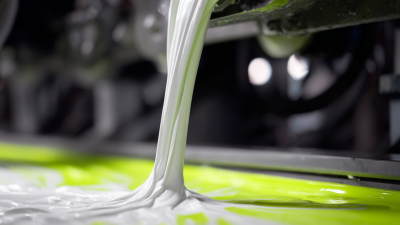
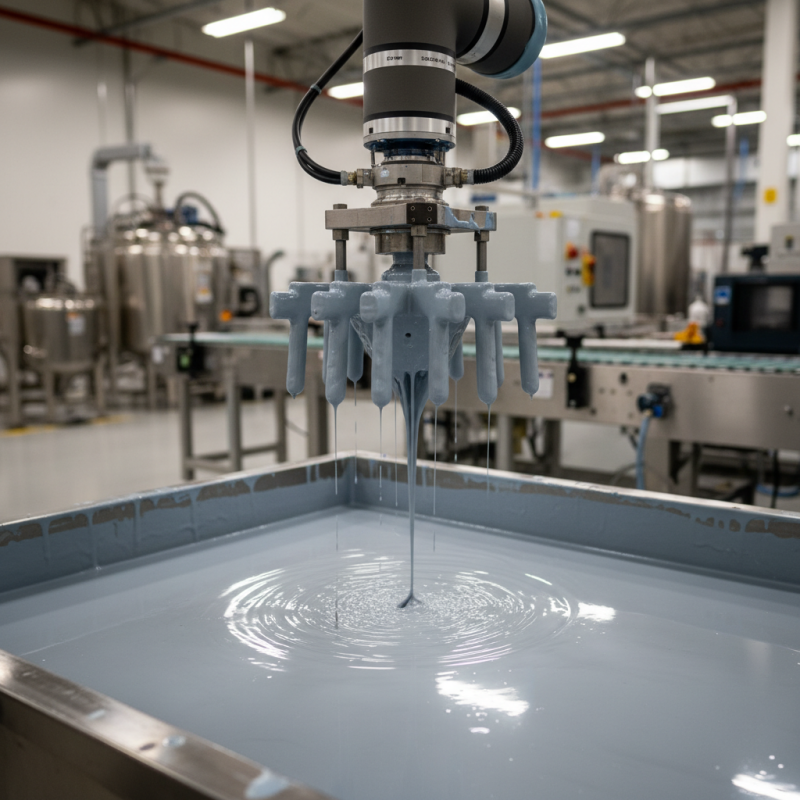
Plastisol dip coating is a popular method for protecting various surfaces. It involves dipping an item into a heated plastisol solution. This forms a tough, durable layer that adheres well to the substrate. The resulting coating can resist scratches, corrosion, and chemicals.
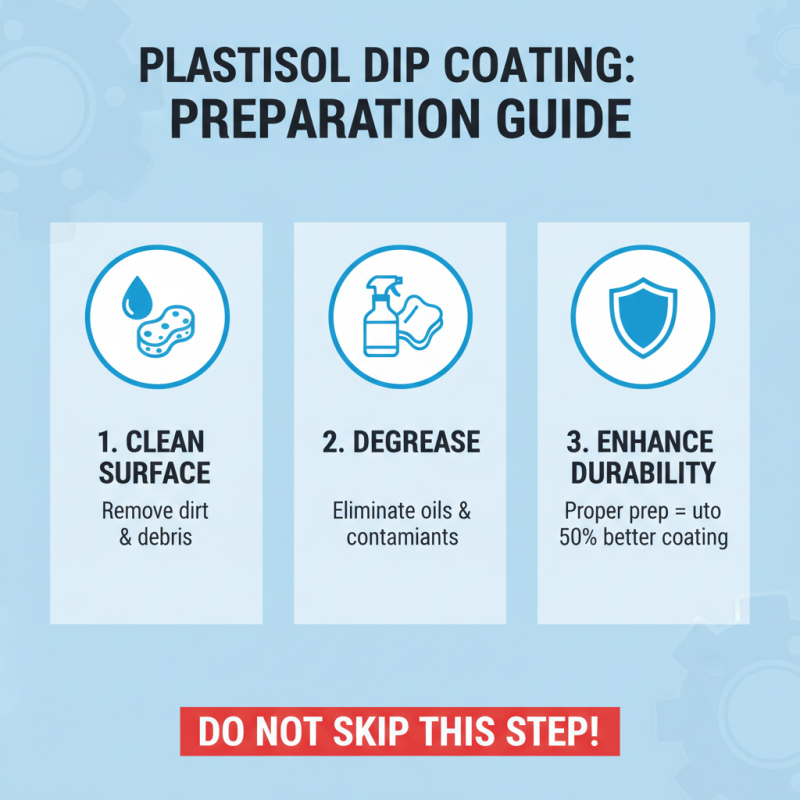
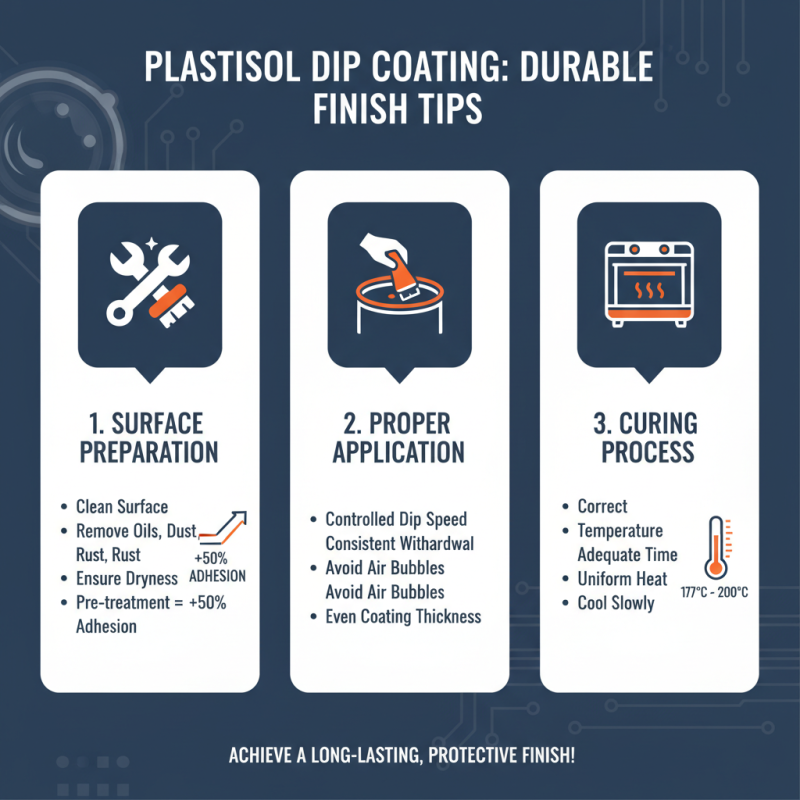
The process begins by cleaning the surface thoroughly. Any contaminants can affect adhesion. Once dipped and cured, the coating typically ranges from 0.020 to 0.125 inches in thickness. According to industry reports, this method provides up to five times more abrasion resistance than traditional paint. However, the precision of control during the application can be challenging.
To achieve optimal results, the temperature and dwelling time during the dip should be monitored closely. A small miscalculation can lead to uneven coverage or weak spots. Additionally, while plastisol is effective, it does have its limitations in high-temperature environments. Despite these potential drawbacks, the cost-effectiveness and ease of use make plastisol dip coating an appealing option for many industries.
Plastisol Dip Coating Effectiveness in Different Applications
Benefits of Using Plastisol Dip Coating for Protection
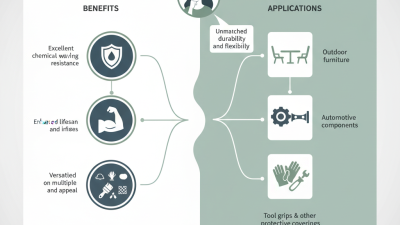
Plastisol dip coating is an excellent choice for protection in various applications. It creates a thick, rubbery layer that adheres well to surfaces. This coating effectively resists scratches, corrosion, and impacts. The soft finish provides a comfortable grip, which is essential for tools and handles. You don't have to worry much about wear and tear when using this coating.
Another significant benefit is the ease of application. It can be dipped, brushed, or sprayed. The method allows for versatile use across different materials. However, coatings can sometimes be inconsistent in thickness. Some users may notice bubbles or uneven areas, prompting a need for careful inspection after application. It’s crucial to follow the instructions closely to avoid these issues.
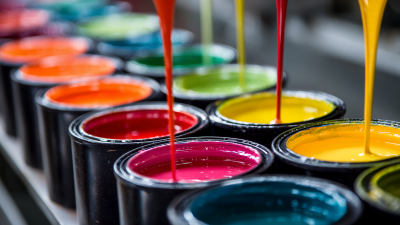
The coating is also customizable. Different colors and finishes can be achieved, enhancing aesthetic appeal. However, color choices may fade over time. Users need to be aware of this to maintain their products' appearance. Proper care extends the life of plastisol coatings and ensures they provide reliable protection. Even with minor imperfections, the benefits of plastisol dip coating outweigh the downsides.
How to Use Plastisol Dip Coating for Effective Protection? - Benefits of Using Plastisol Dip Coating for Protection
| Dimension |
Description |
Benefits |
| Durability |
Provides a strong, resilient coating that withstands abrasion and impact. |
Increases product lifespan and reduces replacement costs. |
| Corrosion Resistance |
Protects metal surfaces from oxidation and rust. |
Improves outdoor performance and longevity of products. |
| Chemical Resistance |
Withstands exposure to various chemicals and solvents without degrading. |
Ensures product reliability in harsh environments. |
| Non-Slip Surface |
Creates a textured surface that enhances grip. |
Increases safety for users handling coated items. |
| Aesthetic Appeal |
Available in various colors and finishes. |
Enhances product appearance for branding and design purposes. |
Essential Equipment and Materials for Plastisol Dip Coating
Plastisol dip coating is an effective technique for protecting various surfaces. To begin this process, you need essential equipment and materials. Start with a suitable dip tank. This tank should hold enough plastisol liquid. A heating element is also crucial, as it helps maintain the right temperature.
You will also require a stable surface for drying. After dipping, ensure the coated objects are placed upright. This step prevents drips and uneven coating. Safety gear is necessary too. Gloves and goggles protect against splashes. A respirator might be wise if fumes are present.
Quality plastisol material is important for durability. Check for the right viscosity before purchase. You might need additional tools such as a thermometer and a timer. These tools help maintain consistency. Remember, practice makes perfect. The process might not yield flawless results the first time. Don't get discouraged. Each attempt is a chance for improvement.