Top Tips for Choosing UPVC Pipe Coupling for Your Projects?
Choosing the right UPVC pipe coupling can significantly impact the success of your plumbing project. Expert John Smith, a recognized authority in the field, emphasizes, "Selecting the correct UPVC coupling is essential for a durable and leak-free installation." This insight reflects the importance of careful consideration in your choice.
UPVC pipe couplings serve various functions, from connecting pipes to allowing for changes in direction. They come in different sizes and types, making the selection process daunting. Consider how your project’s requirements align with the available options. Examine key factors like pressure ratings and compatibility with other materials.
Despite the wealth of information available, mistakes can still occur in the selection process. It's crucial to pay attention to details. A small oversight, like choosing the wrong fitting type, can lead to bigger issues down the line. Understanding your project needs will lead to better outcomes. Choose wisely when it comes to UPVC pipe couplings to ensure a successful project.
Understanding UPVC Pipe Couplings: Types and Applications
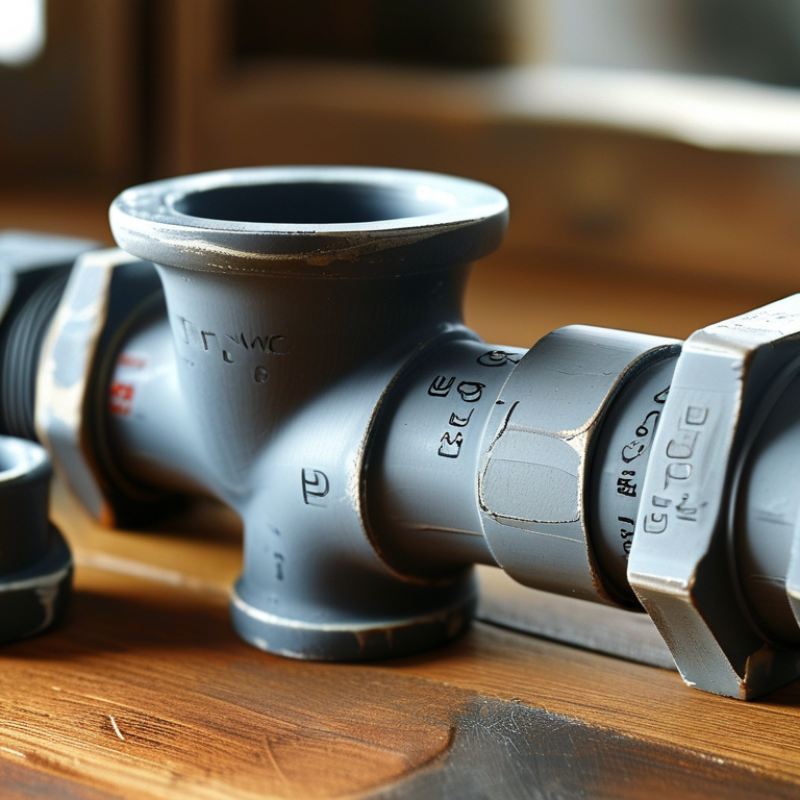
UPVC pipe couplings are essential components in various plumbing systems. They connect two pipes, ensuring a seamless flow of liquids. Understanding the different types of UPVC couplings helps in selecting the right one for your project. There are several types available, including slip couplings, threaded couplings, and reducer couplings. Each type has its unique applications and benefits. Slip couplings allow easy connection of two pipe ends, while threaded couplings offer more secure fastening.
When choosing a coupling, consider the specific requirements of your project. The size, pressure ratings, and compatibility with existing materials are crucial factors. Some couplings may fit poorly, resulting in leaks. Proper installation is equally important; even a slight misalignment can lead to failure. Take the time to ensure that your couplings are not just chosen based on convenience. Sometimes, what appears as the easiest option may cause issues later.
Evaluating durability and resistance to environmental factors is crucial as well. UPVC is known for its resistance to corrosion, but not all couplings withstand UV exposure or extreme temperatures. Testing different brands and types in real environments can help gather insights. This approach leads to informed decisions, but it does require extra effort. Adapting your choices based on real-time feedback will enhance the overall performance of your plumbing system.
Key Factors to Consider When Selecting UPVC Pipe Couplings
When selecting UPVC pipe couplings, start with the purpose of your project. Different applications require specific fittings. For instance, plumbing projects need tighter seals. But drainage systems can work with more flexible options. Consider the pressure ratings of the couplings as well. Higher ratings ensure durability under stress.
Material quality is essential. Ensure the UPVC is not only lightweight but also resistant to chemicals and UV damage. This extends the couplings' lifespan. It's a common mistake to overlook these factors, thinking all UPVC is the same. Pay attention to the product's specifications and certifications as well.
Another crucial factor is the compatibility with your existing pipes. Measure the diameter accurately. Using mismatched sizes can lead to leaks and costly repairs. Sometimes, even experienced professionals underestimate the importance of a proper fit. Proper alignment and installation are key. Always allow time for revisions if the initial fit doesn't seem right. This patience often prevents future issues.
Benefits of UPVC Pipe Couplings in Various Projects
UPVC pipe couplings offer distinct advantages in various projects. Their lightweight nature makes them easy to handle and install, reducing labor costs significantly. Unlike traditional materials, UPVC does not corrode, which extends the lifespan of piping systems. This durability is essential in both residential and commercial applications, where maintenance can be costly and time-consuming.
Moreover, UPVC couplings provide excellent chemical resistance. They can handle a variety of substances without degradation. This makes them suitable for agricultural and industrial uses. However, it’s worth noting that improper installation can compromise their benefits. Ensuring a secure fit is crucial for maintaining system integrity. It's essential to consider the specific requirements of your project to maximize efficiency and reliability.
In addition, their affordability makes UPVC pipe couplings an attractive option for budget-conscious projects. Yet, some users may find challenges with flexibility in applications requiring intricate layouts. Taking the time to plan and measure correctly can help mitigate potential issues. Ultimately, understanding the full scope of advantages and limitations is key for successful implementation.
Top Tips for Choosing UPVC Pipe Coupling for Your Projects
| Aspect | Details |
| Material Quality | Select high-grade UPVC for durability and resistance to corrosion. |
| Size Compatibility | Ensure the couplings fit the pipe diameters precisely to avoid leaks. |
| Pressure Ratings | Choose couplings that can withstand the required pressure for your specific application. |
| Temperature Resistance | Check if the couplings can handle the temperature conditions of your project. |
| Ease of Installation | Opt for designs that simplify the joining process without specialized tools. |
| Cost Effectiveness | Evaluate the price against performance and longevity to ensure value for money. |
| Application Type | Consider whether the coupling will be used in plumbing, drainage, or industrial settings. |
Installation Guidelines for UPVC Pipe Couplings
When installing UPVC pipe couplings, it's essential to follow precise guidelines to ensure a successful project. UPVC couplings are chosen for their durability and corrosion resistance, making them ideal for various applications. According to industry reports, proper installation can enhance the expected lifespan of these fittings to over 50 years. However, even minor mistakes can lead to leaks or failures.
Before installation, ensure that all surfaces are clean and free from debris. This step can significantly improve the adhesive bonding process. The International Plastic Pipe Association emphasizes that proper temperature during installation is crucial. The ideal temperature range for working with UPVC pipes is between 10°C and 30°C. Outside of this range, the material may become brittle or too flexible. In colder conditions, preheating may be necessary.
Selection of the right coupling size is also vital. A coupling that is too loose can lead to pressure loss, while one that is too tight may crack. Industry experts recommend checking the manufacturer's pressure ratings for each fitting type. Many projects fail due to improper coupling choices, so understanding these specifications is critical. Always consider local codes and standards; adherence to these can prevent costly mistakes down the line.
Top Tips for Choosing UPVC Pipe Coupling for Your Projects
Maintenance Tips for Ensuring Longevity of UPVC Couplings
Maintaining UPVC couplings is crucial for their longevity. Regular checks can prevent excessive wear and tear. Inspect each coupling for cracks or signs of degradation. This way, small issues can be caught early, saving money down the line.
Cleaning is essential. Use a gentle solution when washing your UPVC fittings. Avoid abrasive tools that can scratch surfaces. After cleaning, rinse thoroughly to eliminate any residue. This simple act can greatly extend the lifespan of your couplings.
Look out for the pressure in your system. Too much pressure can cause couplings to fail sooner than expected. Monitoring this helps ensure that all components function correctly. Sometimes, neglecting small details leads to larger problems. Think about how these factors play into your project's overall success.