Top 10 Powder Coating Materials for Superior Finishes and Durability?
The choice of powder coating materials significantly affects the finish and durability of products. In recent years, the global powder coating market has grown steadily, with a forecasted increase of over 5% annually through 2027. According to industry reports, this growth is driven by rising demand in automotive and architectural sectors. Powder coatings offer superior resistance to chipping, fading, and scratching.
Different powder coating materials provide distinct benefits that influence aesthetics and performance. Epoxy, polyester, and hybrid coatings are some of the most common. For example, epoxy coatings are known for their excellent adhesion and chemical resistance. However, they may not provide the same UV resistance as other formulas. Polyester, on the other hand, shines in outdoor applications due to its durability against weather conditions.
While selecting powder coating materials, one must consider properties like curing time and environmental impact. The right choice can enhance longevity and visual appeal. However, not all coatings perform equally in every application. Some may require additional top coatings for optimal results. Hence, understanding the specific needs of your project is crucial for achieving a superior finish.
Types of Powder Coating Materials and Their Performance Characteristics
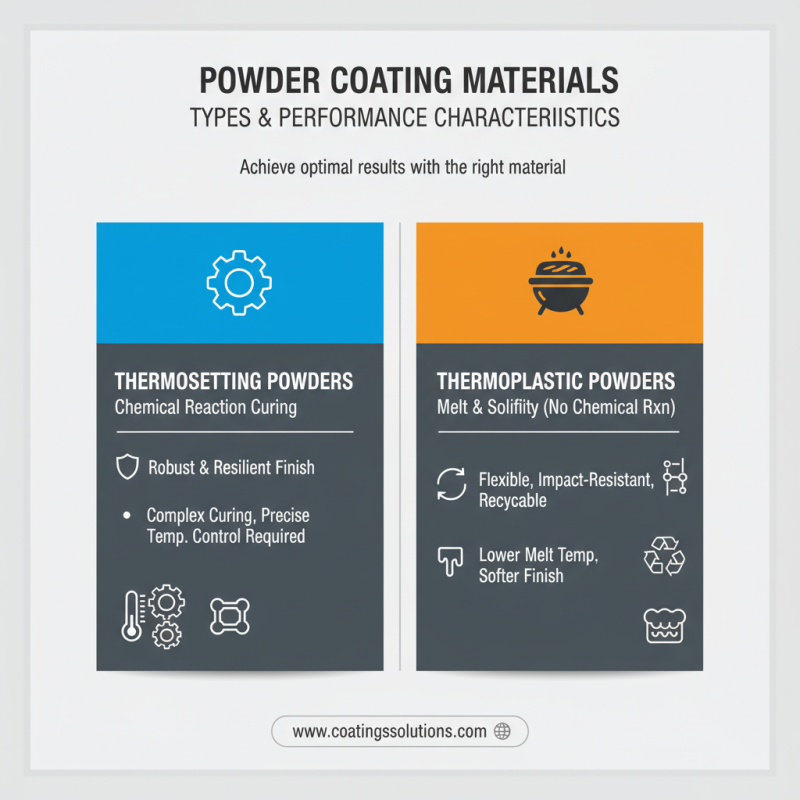
Powder coating is increasingly popular for its exceptional finishes and durability. Understanding the types of powder coating materials is crucial for achieving the best results. There are various types, including thermosetting and thermoplastic powders. Thermosetting powders cure through a chemical reaction. They provide a robust and resilient finish. However, the curing process can be complex and requires precise temperature control.
On the other hand, thermoplastic powders can be reapplied and remolded. This flexibility makes them ideal for applications requiring repair or touch-up. Performance characteristics vary significantly among different materials. For instance, some powders offer excellent resistance to chemicals, while others excel in UV stability. It's essential to match the material with the specific application. Many users overlook this aspect, leading to premature wear or surface damage. Finding the perfect balance between aesthetics and functionality often requires trial and error.
Key Properties of Epoxy Powder Coatings in Industrial Applications
Epoxy powder coatings are increasingly popular in industrial applications due to their compelling key properties. They provide excellent adhesion and are resistant to chemicals and moisture. According to a recent industry report, epoxy coatings offer a hardness rating often exceeding 6H, making them ideal for high-durability needs. Their ability to cure at room temperature simplifies the application process.
One notable advantage is their superior resistance to corrosion. In harsh environments, epoxy powder coatings can extend the lifespan of metal components significantly. They can withstand temperatures ranging from -40°F to 300°F, which is crucial for outdoor applications. However, some users report issues with brittleness under extreme conditions, leading to chips and scratches. This highlights the need for careful selection based on environmental stresses.
Additionally, epoxy coatings can be challenging to recoat. If not properly prepared, the surface may fail to bond effectively. This aspect is often overlooked, but it can lead to costly maintenance. While epoxy offers many benefits, understanding its limitations is necessary. Each application should be carefully evaluated to ensure optimal performance.
Top 10 Powder Coating Materials for Superior Finishes and Durability
The Role of Polyester Powder Coatings in Outdoor Durability
Polyester powder coatings have gained popularity for their impressive outdoor durability. According to a recent industry report, about 70% of powder coatings used in exterior applications are polyester-based. These coatings offer excellent resistance to UV light, which prevents fading and chalking. In environments with harsh weather conditions, polyester powder coatings can withstand temperature variations and humidity.
Despite their advantages, these coatings are not infallible. They can experience adhesion issues in extreme conditions if not properly applied. It's essential to ensure that surface preparation is thorough. Contaminants left on the surface can compromise the coating's performance. Additionally, while polyester coatings excel in outdoor applications, they may not be suitable for all indoor scenarios. For instance, in areas prone to chemical exposure, other formulations might perform better.
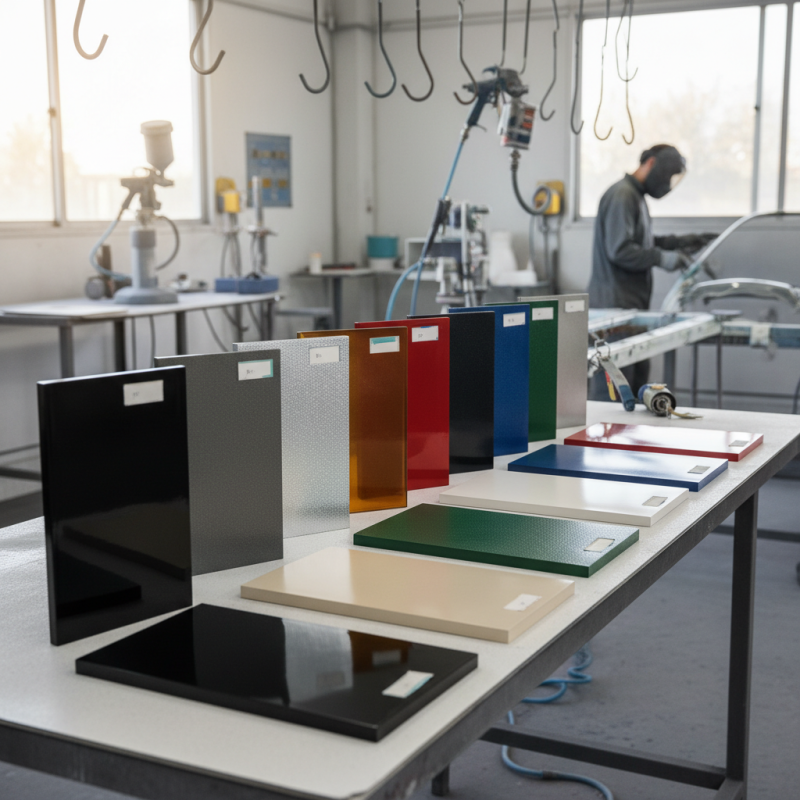
In terms of finish, polyester powder coatings are available in various textures and colors. This versatility allows for customization, catering to aesthetic preferences. However, some powder coat finishes might be subject to scratching during transportation or installation. It's vital to assess the specific environment where the coating will be used. Understanding these factors can lead to better performance and satisfaction in the long run.
Top 10 Powder Coating Materials for Superior Finishes and Durability
| Material Type |
Finish Quality |
Durability Rating |
UV Resistance |
Scratch Resistance |
| Polyester Powder Coating |
Excellent |
High |
Good |
Moderate |
| Epoxy Powder Coating |
Good |
Very High |
Poor |
High |
| Hybrid Powder Coating |
Very Good |
High |
Moderate |
Moderate |
| Acrylic Powder Coating |
Good |
Moderate |
High |
Low |
| Polyurethane Powder Coating |
Excellent |
Very High |
Good |
Very High |
| Textured Powder Coating |
Good |
High |
Moderate |
High |
| Fluoropolymer Coating |
Excellent |
Exceptional |
Excellent |
High |
| Silk Screen Finish Coating |
Very Good |
Moderate |
Good |
Moderate |
| Ceramic Coating |
Excellent |
Very High |
Good |
Very High |
| Zinc-Rich Powder Coating |
Good |
High |
Moderate |
High |
Understanding Thermoplastic vs. Thermoset Powder Coatings
Thermoplastic and thermoset powder coatings each offer unique advantages and disadvantages. Thermoplastic coatings can be remelted and reshaped. This property allows for repair and recycling. However, they may not provide the same durability as thermosets. The finishes might be softer and less resistant to high temperatures.
On the other hand, thermoset powder coatings create a strong, chemically-bonded finish. Once cured, they cannot be reshaped. This permanence can lead to excellent durability and resistance to scratches and chemicals. However, some users might find them difficult to remove once applied. It’s essential to consider the application environment when choosing between these two types.
When exploring options, think about your specific needs. For high-traffic areas, thermosets offer better performance. In contrast, if flexibility in design is important, thermoplastics could be the way to go. Balancing these factors can be challenging. Each choice has its shortcomings. Understanding your priorities can lead to a more suitable selection.
Environmental Impact and Sustainability of Powder Coating Materials
Powder coating is gaining popularity due to its eco-friendly nature. Unlike traditional liquid coatings, it emits minimal volatile organic compounds (VOCs). Reports show that powder coating processes can cut VOC emissions by up to 90%. This significant reduction contributes to cleaner air and a healthier environment.
The materials used in powder coating are often more sustainable. Many are derived from recyclable components. As stated in the latest sustainability report by the World Resources Institute, up to 70% of powder-coated products can be recycled. This leads to less waste in landfills.
Yet, challenges remain. Not all powder coating materials are created equal. Some may still contain hazardous substances that pose risks during production. The industry needs better regulations and practices to ensure safety. Emphasizing green technologies and responsible sourcing is crucial. The shift to more sustainable materials can further enhance powder coating’s environmental benefits while ensuring durability and aesthetic appeal.