Top Epoxy Coating Benefits for Your Floors and Surfaces Why Choose It?
Epoxy coating has gained popularity for its numerous advantages in flooring and surface applications. According to the National Institute of Standards and Technology, epoxy coatings can improve surface durability by up to 300%. This statistic highlights its effectiveness in providing long-lasting protection. Many industries, including manufacturing and automotive, have adopted epoxy due to its resistance to chemicals and abrasion.
The aesthetic appeal of epoxy coating also plays a significant role. Reportedly, up to 80% of property owners choose epoxy for its glossy finish and customizable colors. This flexibility makes it a preferred choice for both commercial and residential spaces. However, not all installations are perfect. Poor surface preparation can lead to adhesion failures. It’s crucial to ensure surfaces are clean and dry before application.
Moreover, while epoxy coatings offer benefits, they are not without drawbacks. Some users report difficulty in application, requiring professional assistance. Additionally, the curing process may emit fumes, necessitating adequate ventilation. Despite these challenges, the overall benefits of epoxy coating often outweigh the potential issues, making it a valuable investment for many property owners.
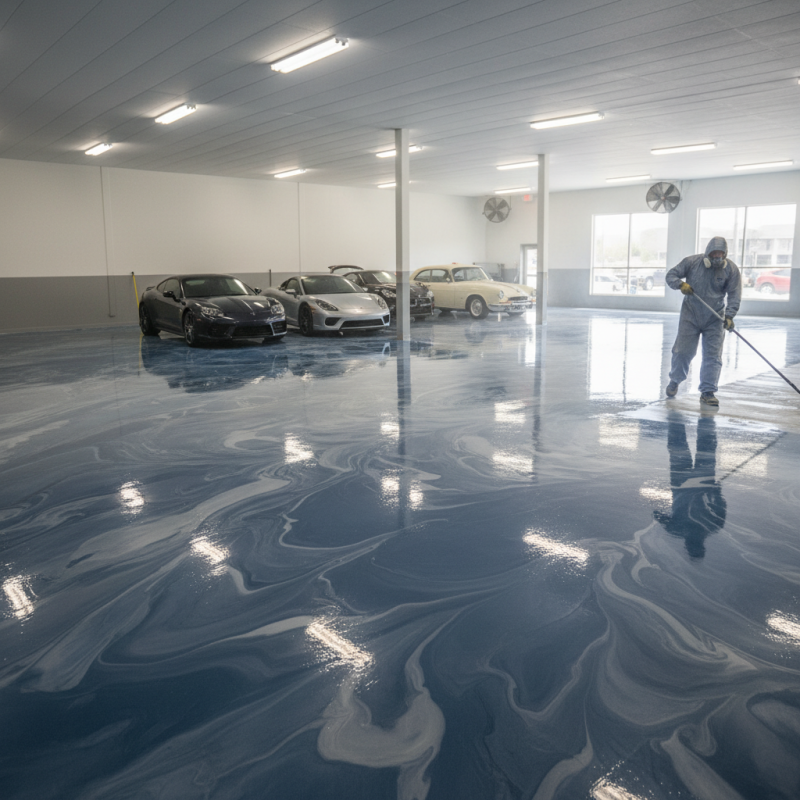
Top Epoxy Coating Benefits for Durable Floors and Surfaces
Epoxy coatings are known for their durability. A recent industry report highlighted that epoxy floors can last up to 20 years with proper maintenance. This is significant compared to traditional flooring options, which often require replacement every few years. Therefore, investing in epoxy coatings makes sense for both residential and commercial spaces.
These coatings provide a hard, chemically resistant surface. They can withstand heavy foot traffic and resist stains, impacts, and chemicals. A study found that areas treated with epoxy coatings showed a 40% reduction in damage from spills and wear. This not only extends the life of the flooring but can save on repair costs in the long run.
Yet, epoxy isn't without its challenges. Proper installation is crucial. If the surface isn't prepared correctly, the coating may peel or bubble. Moreover, while epoxy is strong, it can be slippery when wet. Adding anti-slip additives can help, but it’s an additional step. Despite these considerations, the overall benefits of epoxy coatings, particularly their durability, make them an attractive choice for many.
Top Epoxy Coating Benefits for Floors and Surfaces
Enhanced Durability and Longevity of Epoxy Coatings in Industrial Settings
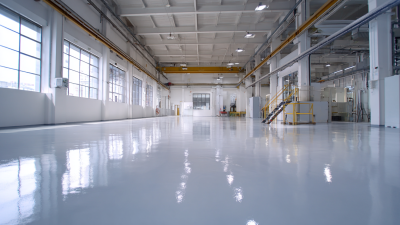
Epoxy coatings are celebrated for their enhanced durability and longevity, especially in industrial environments. These coatings form a robust barrier against wear and tear. According to industry reports, floors coated with epoxy can last up to 20 years with proper maintenance. This longevity is invaluable in industries like manufacturing and warehouse management.
In industrial settings, the impact resistance of epoxy is significant. It can endure heavy machinery and foot traffic without showing signs of damage. Data from an industry analysis highlights that facilities using epoxy coatings have seen a 30% reduction in maintenance costs. This is crucial for companies striving to optimize their operational budget while ensuring safety and aesthetic appeal.
However, not all epoxy coatings are created equal. Some formulations may not hold up to extreme conditions. Issues such as surface preparation and environmental factors during application can affect performance. Companies must weigh these variables when selecting epoxy solutions, ensuring they choose the right products for their specific environments. Understanding these nuances can lead to more informed decisions and better long-term outcomes.
Cost-Effectiveness: A Long-Term Investment in Floor Protection
When considering flooring options, the cost-effectiveness of epoxy coatings stands out. Epoxy is not just an aesthetic choice; it's a smart financial decision. With its durability, an epoxy finish can extend the life of your floors significantly. This means fewer replacements over time. Unexpected costs can add up quickly, but epoxy helps minimize these expenses.
Many people overlook long-term investment benefits. While the initial application might seem costly, it pays off. An epoxy coating provides excellent resistance to stains and chemicals. Maintaining your floors can be easier too. Regular cleaning takes less time and effort. Yet, some may feel that installation is too daunting. It’s understandable, but proper preparation can ease this process.
Another factor to consider is the environment. Epoxy coatings can reduce the need for frequent repairs, lowering waste. However, some have concerns about its impact after application. Proper ventilation is essential during installation. Discussions around air quality are important. It's worth reflecting on these aspects when choosing epoxy. They can influence the overall satisfaction with your investment.
High Resistance to Chemicals and Stains: Industry Standards and Examples
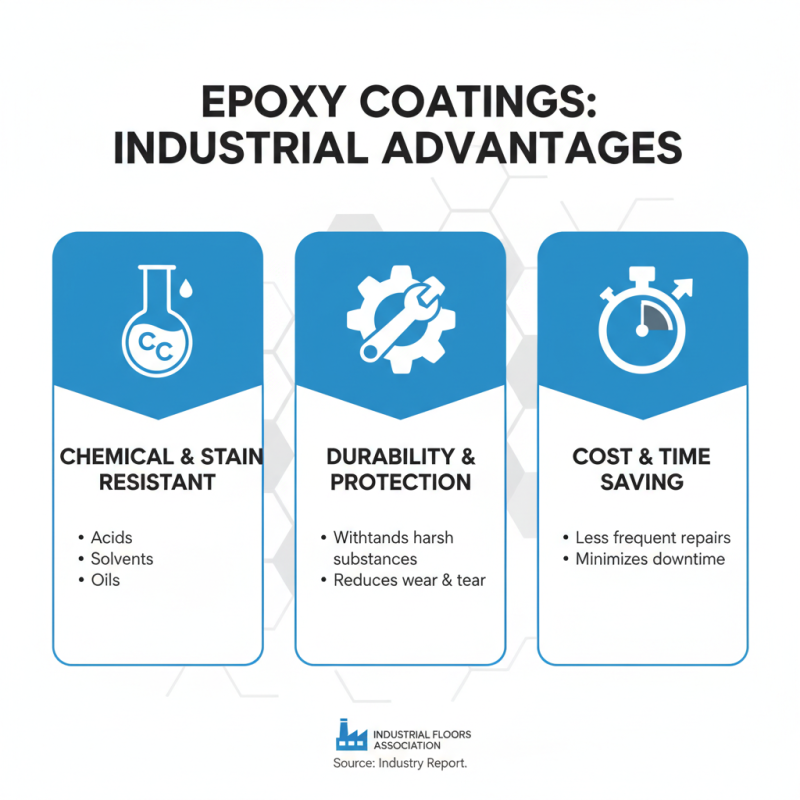
Epoxy coatings are known for their high resistance to chemicals and stains, making them essential in various industries. A report from the Industrial Floors Association indicates that these coatings can withstand harsh substances. For instance, in manufacturing plants, epoxy can endure solvents, acids, and oils. This durability helps reduce costly repairs and downtime.
In commercial kitchens, spills are inevitable. Yet, epoxy floors remain unaffected by fats and oils. According to a study by the National Floor Safety Institute, properly installed epoxy coatings can maintain their integrity for years. This is crucial for maintaining health and safety standards. However, improper installation can lead to chipping and peeling, which diminishes the protective properties of the coating.
Beyond durability, aesthetics play a role. Epoxy can come in various colors and finishes, suited for different environments. Yet, selecting the right type is vital. A misjudgment here could mean compromised performance. Overall, the chemical resistance and visual appeal of epoxy make it a popular choice among professionals, but attention to detail in application is key.
Aesthetic Appeal: Customization Options for Various Environments
Epoxy coating offers an exciting array of customization options for various environments. Homeowners can choose from a wide palette of colors, textures, and finishes. This versatility allows individuals to create unique spaces that reflect personal style. A glossy finish can enhance light reflection, making a room feel larger and brighter. On the other hand, a matte finish provides a more subdued, modern look.
In commercial settings, customized epoxy floors can blend with branding elements. Logos and graphics can be embedded into the surface for a professional appearance. This attention to detail can communicate commitment to quality. However, if not designed carefully, these aesthetics could clash with existing decor. It’s crucial to choose designs that flow seamlessly with the overall theme.
Some may overlook the need for proper planning in creating these personalized spaces. An impulsive choice of colors might lead to an unbalanced look. In the quest for beauty, functionality should not be compromised. While custom designs can be visually appealing, consider maintenance efforts and durability as well. Thoughtful choices in aesthetics will lead to long-term satisfaction with the epoxy flooring.
Top Epoxy Coating Benefits for Your Floors and Surfaces
| Benefit |
Description |
Customization Options |
| Durability |
Resistant to heavy impact, chemicals, and abrasions, providing long-lasting protection. |
Variety of finishes including matte, glossy, and textured options. |
| Aesthetic Appeal |
Enhances the appearance of floors with a sleek and modern look. |
Custom color combinations and patterns can be created. |
| Ease of Maintenance |
Non-porous surface makes cleaning straightforward and quick. |
Various finishes can enhance stain resistance. |
| Safety |
Can be designed with anti-slip properties for improved safety. |
Customization to include high-visibility colors or patterns. |
| Environmentally Friendly |
Low VOC options available to reduce environmental impact. |
Custom designs can incorporate sustainable materials. |