Essential Tips for Choosing the Right Chiller Series?
Choosing the right Chiller Series is crucial for efficient temperature control in various industries. According to industry expert Tom Johnson, "The right chiller makes all the difference in operational efficiency." This statement underlines the importance of making informed decisions.
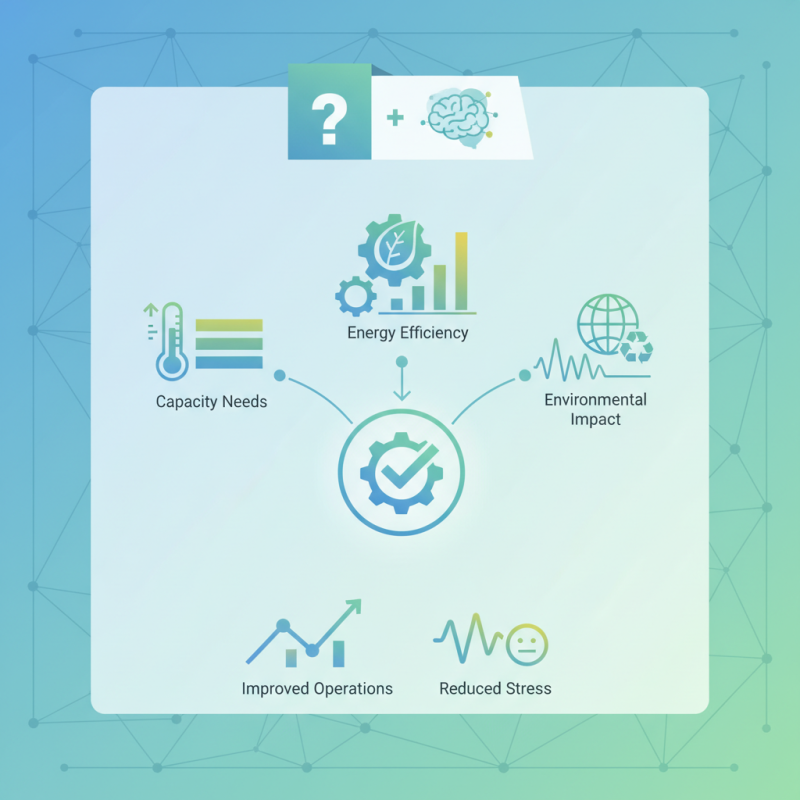
When selecting a Chiller Series, there are several factors to consider. Capacity needs, energy efficiency, and environmental impact are essential elements. Each chillers’ specifications can greatly affect overall performance. Nonetheless, many overlook these details, which can lead to costly mistakes.
Additionally, it's easy to get overwhelmed by the numerous options available. Misjudgments can result in inadequate cooling or energy waste. Therefore, taking the time to thoroughly research and evaluate each Chiller Series is key for success. This thoughtful approach can significantly improve operations and reduce stress over time.
Understanding the Different Types of Chiller Systems Available
Choosing the right chiller series requires a solid understanding of available systems. Chillers are crucial in various sectors like manufacturing and HVAC. They keep equipment cool and ensure smooth operations. The choice impacts efficiency and costs significantly.
There are different types of chiller systems. One common type is the air-cooled chiller. It uses ambient air for cooling. It's great for moderate environments and often requires less maintenance. However, in extreme temperatures, its efficiency drops. The second type is the water-cooled chiller. This system relies on water to remove heat. It can be more efficient but typically requires a cooling tower, which increases initial costs.
The decision-making process doesn't end here. According to industry reports, around 15% of chiller systems fail to meet their expected efficiency levels. Maintenance is an ongoing concern. Many facilities overlook regular preventive maintenance. This oversight can lead to increased energy consumption. It's vital to weigh all options carefully before making a commitment. The right choice can lead to significant long-term savings.
Evaluating Energy Efficiency Ratings for Chiller Series Selection
When choosing a chiller series, energy efficiency ratings play a crucial role. A higher rating indicates better efficiency. This can lead to significant savings over time. However, not all ratings are created equal. It’s important to read the fine print and understand what the numbers truly mean.
Consider the specific requirements of your application. Sometimes, the most efficient model may not be the best for your needs. Assess the cooling load, operating hours, and local climate. These factors influence which chiller series is truly right for you. Additionally, monitor any potential trade-offs in performance and maintenance costs. High efficiency may mean higher upfront costs.
Look for comprehensive energy labels. These can provide insight into real-world performance. Don’t hesitate to ask questions. Explore both short-term and long-term savings. It’s common to feel overwhelmed by choices. Reflect on your priorities for cooling and efficiency. This introspection can aid in making a more informed decision.
Assessing Cooling Capacity Requirements for Your Specific Application
Choosing the right chiller series requires careful consideration of cooling capacity. Each application has unique demands based on the environment and equipment. Assessing these needs can be challenging. It’s vital to understand your system's heat load.
Start by calculating the needed cooling capacity for your specific setup. This involves considering factors like ambient temperatures and heat generated by machinery. Make notes on your current performance. Are there fluctuations or unexpected spikes? Such details help to establish a more accurate capacity requirement.
Consider the possibility of future expansions. If your needs grow, will the chiller still be adequate? Oversizing or undersizing can lead to inefficiencies. These mistakes may result in higher operational costs. Addressing this aspect early reduces long-term issues with performance.
Considering Maintenance and Support Services in Chiller Choice
When it comes to selecting a chiller series, maintenance and support services deserve significant attention. A chiller is a vital component in many operations. If it breaks down, it can lead to costly downtimes. Therefore, understanding the maintenance requirements is crucial. Regular checks can help prevent major issues. Ask about the maintenance schedule. Find out how often parts need to be replaced.
Consider the support services your chiller provider offers. Quick response times can save you from prolonged interruptions. Technical assistance should be readily available. Clarifying the extent of customer service can provide peace of mind. Some companies offer 24/7 support, while others may have limited hours. Be mindful of this aspect when making your choice.
Here are a few tips to keep in mind. Evaluate comments from existing users about service quality. Look for companies that provide training for your staff. It’s essential to know how to operate the equipment. Lastly, assess the warranty options offered. A good warranty can reduce repair costs down the line. Maintaining efficient operations hinges on not just the equipment but also the support behind it.
Examining the Initial Cost vs. Long-term Operating Expenses of Chilllers
When choosing a chiller series, it’s essential to consider both the initial cost and long-term operating expenses. While a lower-priced unit may seem appealing, hidden costs can arise. Efficiency ratings, maintenance needs, and energy consumption all play significant roles in ongoing expenses.
Evaluate energy efficiency. A chiller may have a higher upfront cost but can save money over time. Look for models that offer better energy ratings. They typically use less power, reducing monthly bills.
Be mindful of maintenance. Cheaper options may require more frequent repairs. Investing in a reliable unit can decrease stress and costs. Check warranty terms before making a decision. A solid warranty can save money if something goes wrong.
Consider scalability as well. Will your needs change? Future expansion may require a larger unit, leading to additional costs. Take the time to research all these factors. Avoid rushing the decision; it can pay off in the long run.
Initial Cost vs. Long-term Operating Expenses of Chillers
This chart compares the initial costs and long-term operating expenses of four different chiller models. The first dataset represents the upfront cost, while the second dataset reflects the expected expenses over five years. This information can help you make informed decisions when selecting the right chiller series.