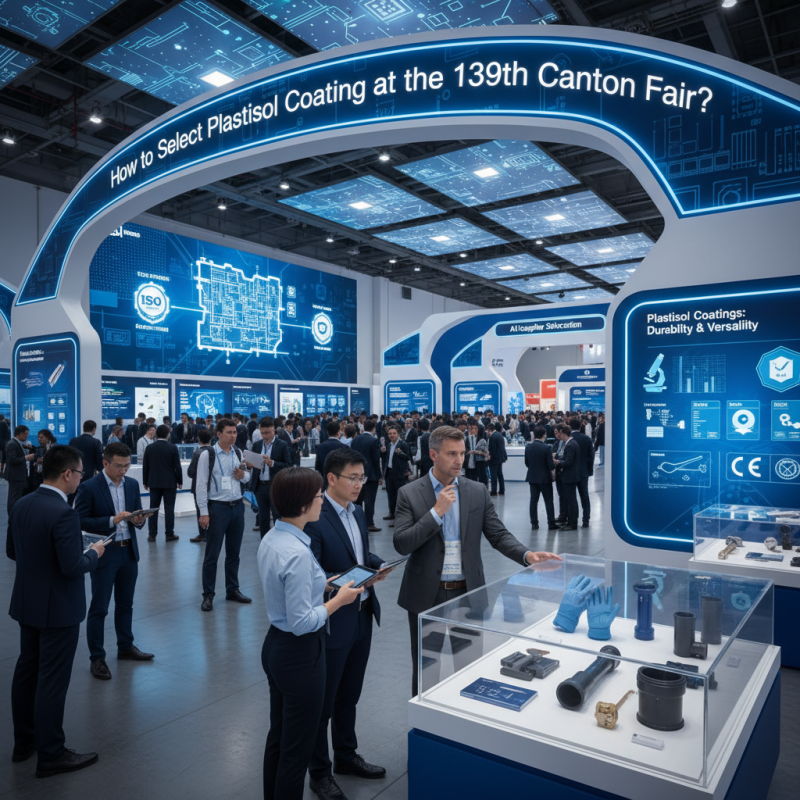
How to Select Plastisol Coating at the 139th Canton Fair?
At the 139th Canton Fair, the focus on advanced manufacturing includes innovations like plastisol coating. Experts believe this coating offers durability and versatility. John Smith, a leading figure in the coatings industry, remarked, "Plastisol coatings redefine surface applications across many sectors."
Navigating the vast exhibition space of over 1.5 million square meters can be daunting. The introduction of AI tools streamlines supplier selection. Buyers can filter options easily, especially for specific certifications such as ISO and CE. Yet, the real challenge lies in understanding the right properties of plastisol coating for individual projects.
Attention to detail is crucial. Different applications require unique formulations. Prospective buyers must assess their own needs carefully and not rush decisions. Understanding plastisol coating's benefits and limitations enhances informed choices. The Canton Fair presents an excellent opportunity, but the decision-making process demands thoughtful consideration.
Understanding Plastisol Coating: Key Properties and Applications
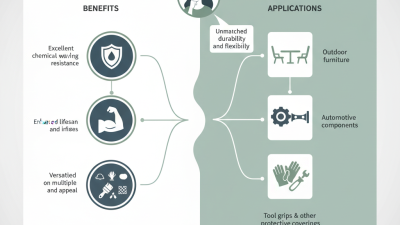
Plastisol coating is gaining popularity in various industries for its unique properties. It is a liquid PVC-based coating that offers excellent durability. One of its key attributes is resistance to corrosion and chemicals. This makes it ideal for automotive parts and outdoor structures. The flexibility of plastisol ensures it can be applied to diverse surfaces, providing a smooth finish.
Another significant property is its ease of application. Plastisol can be sprayed, dipped, or brushed onto surfaces. This versatility allows manufacturers to choose the best method for their needs. However, not all plastisol products are created equal. It's essential to consider the thickness and consistency of the coating. A thicker layer may offer better protection but can also add weight.
In terms of application, plastisol is often used in textiles and sign-making. It provides a vibrant color and can withstand harsh environmental conditions. Some users find it challenging to achieve the desired finish. Proper surface preparation is critical. Uneven surfaces or contaminants can affect adhesion. This underscores the need for careful planning when selecting plastisol coatings at events like the Canton Fair.
Identifying Suitable Suppliers at the Canton Fair
Choosing the right suppliers for plastisol coating at the Canton Fair is crucial. Many businesses overlook essential factors, such as supplier reliability and product quality. According to a recent industry report, about 30% of companies fail to assess supplier capabilities adequately. This gap often leads to poor product performance and customer dissatisfaction.
At the 139th Canton Fair, it’s vital to engage with suppliers directly. Observe their booth setup and product displays. A well-organized exhibit often reflects professionalism. Take time to ask questions about their production processes and quality control measures. Many suppliers might claim high standards but lack the certifications to back them up. Reports show that more than 40% of manufacturers do not meet international quality standards. This is a red flag.
Assessing samples is equally important. Examine their thickness, flexibility, and finish. In some cases, suppliers may showcase samples that don’t represent their bulk products. Communication can be another challenge. Not all suppliers have fluent English speakers, which can lead to misunderstandings. This factor can significantly impact business partnerships.
Evaluating Quality Standards for Plastisol Coating Products
Selecting a quality plastisol coating at the 139th Canton Fair can be a challenging task. Evaluating the standards of these products is crucial. Start by checking the thickness of the coating. Thicker layers often imply better durability. However, manufacturers may cut corners by reducing thickness without lowering the price.
Inspect color consistency as well. A uniform color indicates careful production. Inconsistent shades can mean variables in quality. This might affect the final product's appeal. Pay attention to the texture as well. It should feel smooth and not have any irregularities. A rough texture might indicate an unfinished product.
Look for certifications that comply with industry standards. These can be a good indicator of reliability. Misleading claims can often fool buyers. Testing samples before making bulk purchases is essential. This will help in assessing the real quality versus promotional material. Engaging in conversation with suppliers can reveal their expertise and transparency. Don't shy away from asking questions or expressing doubts.
Techniques for Comparing Pricing and Value
When attending the 139th Canton Fair, selecting the right plastisol coating involves a thoughtful evaluation of pricing and value. Pricing can vary significantly among exhibitors. Record prices from different suppliers as you walk through the fair. Note any discounts or special offers that might not be advertised prominently. Direct conversations can often lead to better deals than what’s displayed.
It's essential to compare the features of various plastisol coatings. Look for specifics like durability, finish options, and adhesion properties. These factors significantly impact the overall value. Sometimes, the cheapest option may not provide the best long-term performance. Evaluate whether a slightly higher price offers better quality. These decisions often require reflection and careful consideration, as they can affect future projects.
Engagement with suppliers can reveal hidden costs. Ask questions about their materials and production processes. Do they offer support? Understanding the complete picture can influence your purchasing outcome. It's easy to focus solely on the price tag, but value encompasses much more. Stay inquisitive, and don’t hesitate to seek clarity in any unclear areas.
How to Select Plastisol Coating at the 139th Canton Fair? - Techniques for Comparing Pricing and Value
| Supplier |
Product Type |
Thickness (mm) |
Price per kg (USD) |
Lead Time (days) |
Minimum Order Quantity |
| Supplier A |
Standard PVC |
0.5 |
3.50 |
15 |
100 kg |
| Supplier B |
High Gloss PVC |
0.7 |
4.00 |
10 |
200 kg |
| Supplier C |
Matte PVC |
0.6 |
3.75 |
12 |
150 kg |
| Supplier D |
Eco-Friendly PVC |
0.5 |
4.50 |
20 |
100 kg |
Effective Negotiation Strategies with Suppliers
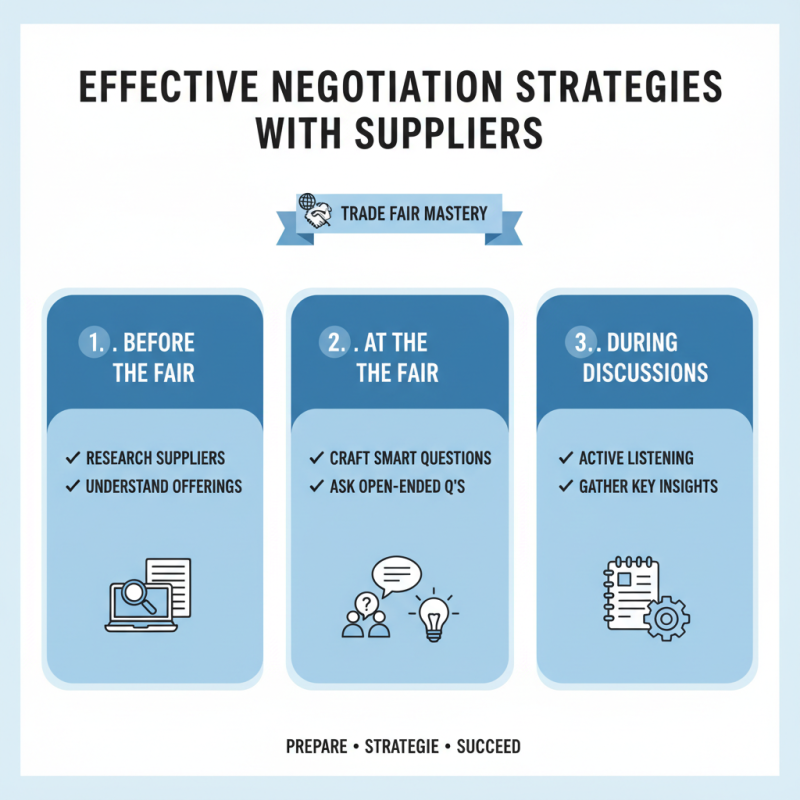
Negotiating with suppliers at trade fairs can be a complex task. It requires preparation and strategy. Before attending the Canton Fair, research potential suppliers. Know their background and what they offer. This helps in crafting relevant questions during discussions. Use open-ended questions to gain insights into their products, like quality and delivery times. Active listening is crucial here. Sometimes suppliers provide details that could influence your decision greatly.
When in conversation, maintain a friendly yet assertive tone. It's important to express your needs clearly. Don't shy away from discussing pricing or minimum order quantities. Suppliers appreciate directness. However, be aware that not every negotiation will go smoothly. There might be disagreements on price or terms. Reflect on these moments. They often reveal deeper issues in supply chain logistics or product specifications. Use these insights to refine your approach in future negotiations.
Finally, follow up after the Fair. Send a thank-you note to suppliers you engaged with. This fosters relationships. It demonstrates your seriousness about potential partnerships. Keep in mind, effective negotiation is not just about striking a deal. It’s about building connections that can drive your business forward.