What is PVC Tarpaulin and How is it Used?
PVC Tarpaulin is a versatile and durable material widely used in various industries. It is made from polyvinyl chloride, which makes it resistant to water, UV rays, and tearing. This durability ensures that PVC tarpaulin can withstand harsh weather conditions, making it ideal for outdoor applications.
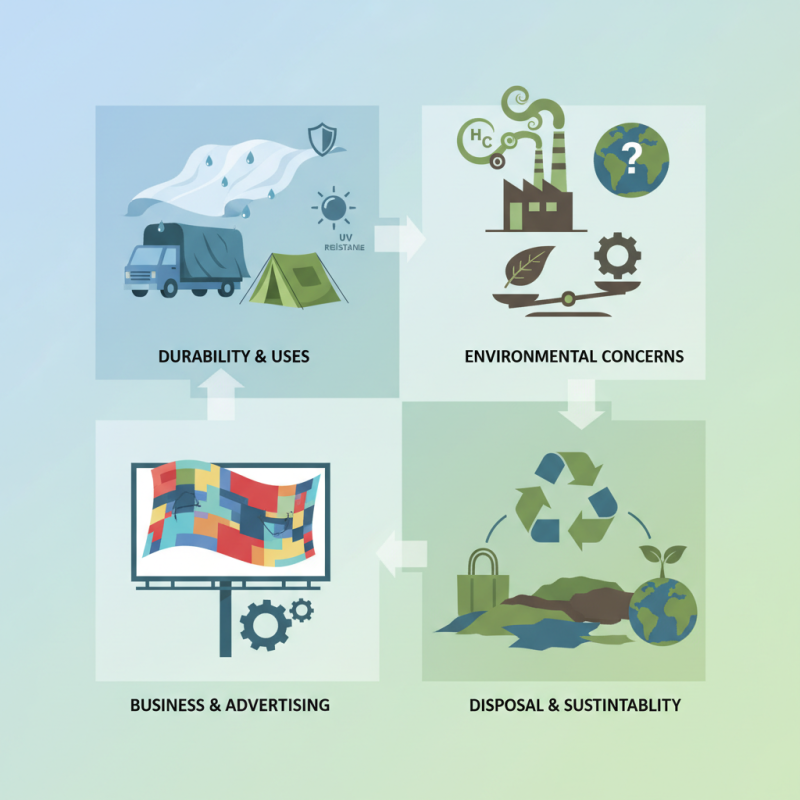
From truck covers to tents, PVC tarpaulin finds numerous uses. Its waterproof nature protects goods during transport. Additionally, it serves as a protective covering for camping gear. However, despite its benefits, PVC tarpaulin production raises environmental concerns. The manufacturing process can release harmful chemicals. Reflecting on this issue is essential as we balance convenience and sustainability.
Many businesses rely on PVC tarpaulin for advertising, using vibrant colors to attract attention. But it’s crucial to consider the long-term impact. While PVC tarpaulin is an efficient solution, its disposal poses challenges. Finding ways to recycle or repurpose it is vital for our planet.
What is PVC Tarpaulin?
PVC tarpaulin, often called PVC tarp, is a durable and versatile material. It consists of a woven fabric coated with polyvinyl chloride (PVC). The coating makes it strong and resistant to weather elements. PVC tarpaulin can withstand harsh conditions, including rain, wind, and sunlight. This makes it a popular choice for various outdoor applications.
One common use of PVC tarpaulin is in shelters and tents. Its waterproof nature keeps the interior dry during rainstorms. People often use it for truck covers, too. It helps protect cargo from moisture and dust. However, not all fabrics are treated equally. Some may deteriorate faster when exposed to prolonged sunlight or poor handling. This can lead to cracks or tears over time.
Another application is in banners and advertising displays. PVC tarpaulin is easy to print on, creating vivid images and texts. Yet, critics argue that its environmental impact requires more attention. The production and disposal of PVC raise concerns. Finding a balance between functionality and sustainability may be worth reflecting on.
Composition and Properties of PVC Tarpaulin
PVC tarpaulin is a versatile material known for its durability. Made from polyvinyl chloride, this fabric exhibits impressive water resistance and mildew properties. According to industry data, the effective thickness of PVC tarpaulin typically ranges from 0.5 mm to 2 mm. This variation allows for its use in different applications, such as outdoor covers, tents, and truck tarps.
The addition of UV stabilizers enhances its longevity, allowing it to withstand harsh weather. A study in the Journal of Material Science highlights that the tensile strength of PVC tarpaulin can reach up to 700 N/m, making it robust for heavy-duty uses. However, while its properties are commendable, users might find challenges with heat resistance. Prolonged exposure to high temperatures can cause the material to lose shape or develop cracks.
Manufacturers are continually exploring eco-friendly alternatives to traditional PVC formulations. Some have invested in technologies that reduce the overall environmental impact. Still, it’s crucial for end-users to assess their specific needs. Not every PVC tarpaulin meets the highest standards for sustainability. Thus, careful selection is necessary to ensure that the material is appropriate for intended applications.
Common Uses of PVC Tarpaulin in Various Industries
PVC tarpaulin is a versatile material widely used across various industries. Its durability and water resistance make it suitable for many applications. For instance, in construction, tarpaulin covers protect equipment and materials from harsh weather conditions. A recent industry report noted that the construction sector accounts for about 30% of PVC tarpaulin usage, reflecting its importance.
In the transportation sector, PVC tarpaulin is used for truck covers and tarpaulin sheets. These applications help in shielding goods from rain and UV rays. In fact, studies have shown that using tarpaulin can reduce cargo damage by nearly 25%. Additionally, the agriculture industry utilizes PVC tarpaulins as protective covers for silos and livestock shelters.
Despite its many uses, some industries still overlook the environmental impact of PVC. There are ongoing discussions about recycling and sustainability. As demand grows, there’s a pressing need for solutions that minimize waste. More research is needed to address these concerns and improve practices across sectors.
Common Uses of PVC Tarpaulin in Various Industries
Advantages of Using PVC Tarpaulin Over Other Materials
PVC tarpaulin is a versatile material used in various applications. It is waterproof and durable, making it ideal for outdoor use. Many industries prefer PVC tarpaulin for its strength and reliability. It's often used for truck covers, tents, and banners. The material offers excellent resistance to UV rays and harsh weather conditions.
One significant advantage of using PVC tarpaulin is its lightweight nature. This feature simplifies transport and installation, especially in temporary setups. Additionally, the cost-effectiveness of PVC tarpaulin attracts many buyers. Unlike traditional canvas tarps, PVC does not absorb water. This property helps in preventing mold and mildew growth.
However, some might find PVC tarpaulin less environmentally friendly than other options. The production process can generate waste. Furthermore, while it offers great durability, some users may question its longevity under extreme conditions. In practice, understanding its limitations is crucial. Proper usage can enhance its lifespan, making it an effective choice for various needs.
Maintenance and Care Tips for PVC Tarpaulin Products
PVC tarpaulin is popular for its durability and versatility. However, many users overlook the necessary maintenance to prolong its lifespan. Regular cleaning is crucial. Use mild soap and water to gently scrub away dirt. Avoid harsh chemicals. Rinse thoroughly afterward. Sunlight can degrade materials over time. Try to store tarpaulin away from direct sunlight when not in use.
Inspect the tarpaulin regularly for signs of wear or damage. Small tears can be repaired easily with a patch kit. Larger damages may require professional help. Additionally, avoid placing heavy objects on the tarpaulin for extended periods. This can lead to unwanted creases or punctures. Maintaining the proper environment helps, too. Keep it dry and avoid sharp surfaces.
Storing your PVC tarpaulin correctly is also important. Fold it neatly to prevent creasing. Ensure it's completely dry before storage. A damp tarpaulin can develop mildew. Take time to check the edges for any signs of fraying. Reflecting on these aspects can improve the longevity of your PVC tarpaulin products significantly.