What is Polycarbonate Material and Its Applications?
Polycarbonate Material is a versatile polymer known for its strength and durability. It has a unique combination of lightweight properties and high impact resistance, making it suitable for various applications. From eyewear lenses to safety equipment, polycarbonate has gained popularity across multiple industries.
This material also plays a crucial role in construction and automotive sectors. Its transparency allows for excellent visibility while providing UV protection. Despite its many benefits, polycarbonate can be prone to scratching, which poses a challenge. It's essential to assess its performance in different environments before making decisions.
The growing use of polycarbonate material raises questions about sustainability. As manufacturers seek eco-friendly options, the environmental impact of polycarbonate production needs consideration. Understanding these complexities can guide users in making informed choices about using polycarbonate in their projects.
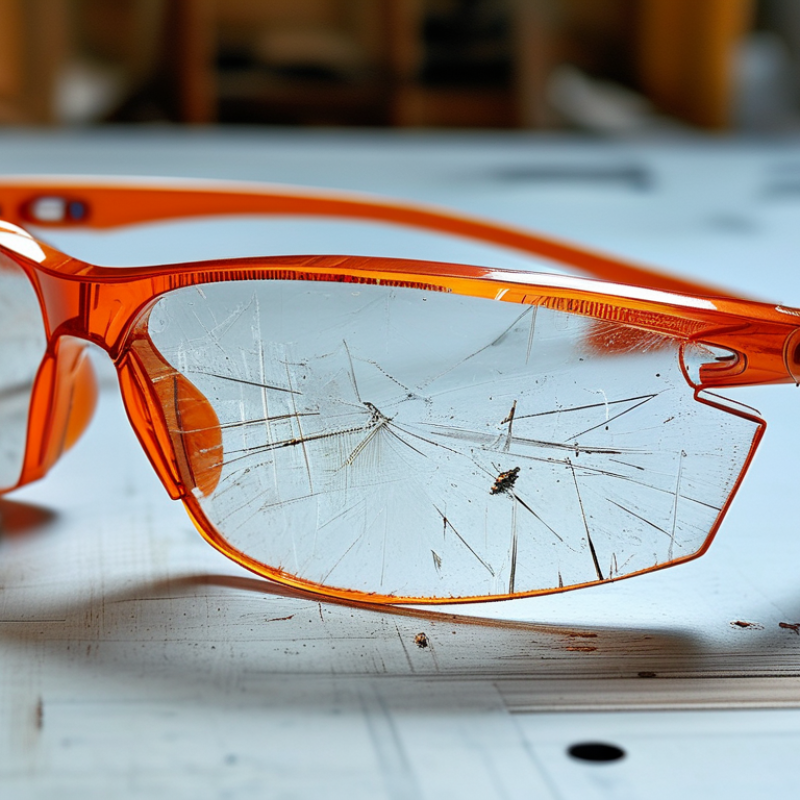
Definition and Properties of Polycarbonate Material
Polycarbonate is a high-performance thermoplastic with unique properties. It is known for its exceptional strength and impact resistance. This material is lightweight, making it an ideal choice for various applications. Polycarbonate can withstand high temperatures and is transparent, allowing for versatile uses.
The properties of polycarbonate make it suitable for use in eyewear lenses, safety goggles, and automotive components. Its clarity and durability enhance vision protection. In construction, polycarbonate sheets provide thermal insulation and UV protection. It is used in greenhouses and skylights.
Despite its many advantages, polycarbonate is not without drawbacks. It can be prone to scratching, although coatings can improve this. Some environmental concerns surround its production and disposal. Overall, the material’s versatility continues to drive innovation in multiple industries, but its lifecycle impacts deserve closer examination.
Common Manufacturing Processes for Polycarbonate Products
Polycarbonate is widely used due to its excellent properties. The manufacturing processes for polycarbonate products vary depending on the desired characteristics. One common technique is injection molding. This method involves melting polycarbonate pellets and injecting the liquid into a mold. This process is efficient for producing items like eyewear lenses, automotive parts, and safety glasses.
Another popular method is extrusion. Here, polycarbonate sheets or profiles are formed by forcing the melted material through a die. This technique is ideal for making long, continuous products, such as polycarbonate sheets and tubing. However, maintaining consistent thickness can be challenging and requires careful monitoring.
Thermoforming is also used, where flat polycarbonate sheets are heated and then shaped into desired forms. This method is versatile and suitable for producing complex shapes. Despite its advantages, controlling the temperature and time during this process can be tricky. Each manufacturing method has its trade-offs, and understanding these can lead to better design choices.
What is Polycarbonate Material and Its Applications?
| Application Area | Common Manufacturing Processes | Benefits | Typical Products |
| Safety Goggles | Injection Molding | Impact Resistance | Protective Eyewear |
| Automotive Components | Thermoforming | Lightweight | Dashboard Covers |
| Electronics | Extrusion | High Clarity | Light Covers |
| Medical Devices | Blow Molding | Biocompatibility | Syringes |
| Lighting Fixtures | Die Casting | UV Resistance | Lenses and Covers |
Applications of Polycarbonate in Construction and Architecture
Polycarbonate is a highly durable and versatile material widely used in construction and architecture. Its excellent impact resistance and lightweight properties make it an ideal choice for building applications. According to industry reports, the global polycarbonate market is projected to grow significantly, driven by the increasing demand for sustainable and energy-efficient building materials.
In architectural designs, polycarbonate panels are often utilized for facades and roofing. They allow natural light to permeate while providing insulation. This dual capability can help reduce energy consumption in commercial buildings. A study highlighted that using polycarbonate can increase energy efficiency by up to 30%. Its ability to withstand extreme weather conditions further enhances its appeal in various geographic locations.
Tips: When selecting polycarbonate for building, consider thickness and UV resistance. Thicker panels offer better insulation. Always ensure proper installation to maximize durability. It’s essential to evaluate long-term performance and maintenance needs. Remember, even the best materials require careful consideration of their applications and limitations.
Uses of Polycarbonate in Electronics and Automotive Industries
Polycarbonate is a robust thermoplastic known for its high impact resistance and excellent clarity. Its use in the electronics and automotive industries has grown significantly. According to a report by Research and Markets, the global polycarbonate market is expected to reach approximately $27 billion by 2025. This surge is largely driven by its versatility in applications.
In electronics, polycarbonate is commonly used for making durable housings and components. Its thermal stability and electrical insulating properties make it ideal for devices exposed to heat. For instance, polycarbonate enclosures provide protection while ensuring lightweight designs. A report from Freedonia Group indicates that the demand for polycarbonate in the electronics sector is expected to grow at a CAGR of 6% through 2024. However, challenges remain, such as potential brittleness under specific conditions.
The automotive industry also benefits from polycarbonate. It is used in headlamp lenses, dashboards, and exterior panels. Its lightweight nature contributes to improved fuel efficiency. A study by Allied Market Research states that the automotive application of polycarbonate is projected to expand rapidly. However, manufacturers face issues concerning the material's long-term UV stability, which can affect its durability. Balancing these factors while enhancing applications remains an ongoing challenge.
Applications of Polycarbonate in Electronics and Automotive Industries
Advantages and Disadvantages of Using Polycarbonate Materials
Polycarbonate materials are widely recognized for their versatile applications, yet they come with both advantages and disadvantages.
One major advantage is their high impact resistance. Unlike glass, polycarbonate does not shatter easily, making it ideal for safety glasses and protective barriers. Its lightweight nature also makes it easier to handle, which benefits construction and manufacturing sectors.
However, polycarbonate is not without drawbacks. While it is durable, it can scratch easily, which may hinder its appearance over time. This is a significant concern for products requiring clarity, such as eyewear lenses. Additionally, polycarbonate can be more expensive than other plastics. This cost factor necessitates careful consideration, especially for large-scale projects.
Ultimately, understanding the balance of benefits and challenges with polycarbonate is crucial. It is essential to weigh factors like environmental conditions and specific usage needs. Only then can informed decisions be made regarding its adoption in various applications.