What is a Hydraulic Proportional Valve and How Does It Work?
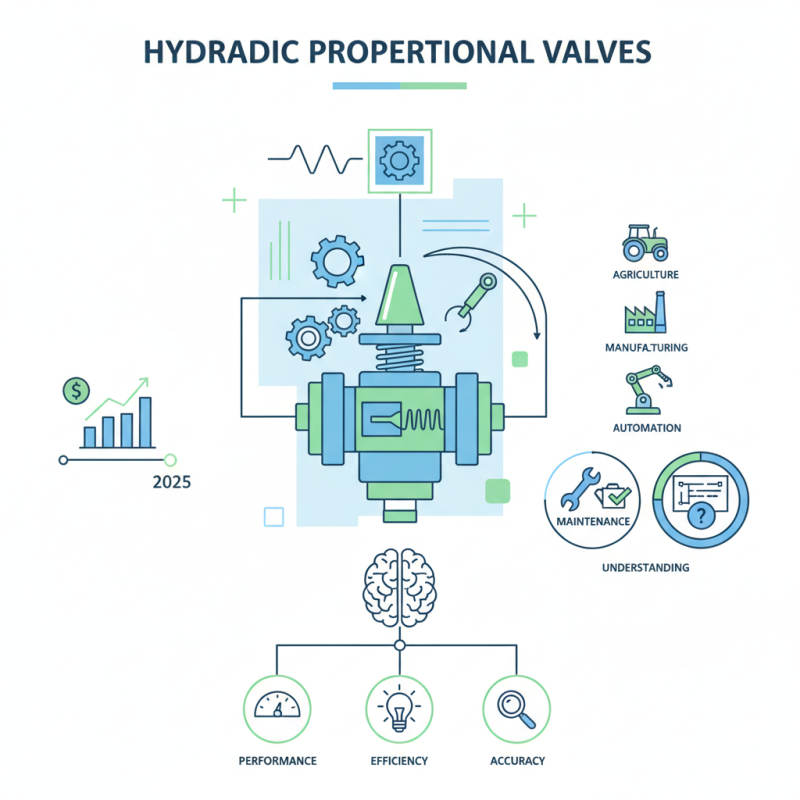
The Hydraulic Proportional Valve is a critical component in modern hydraulic systems. It regulates fluid flow with precision, affecting performance and efficiency. According to a report by MarketsandMarkets, the hydraulic valve market is expected to reach nearly $4 billion by 2025, with increasing demand for automation in various industries.
Hydraulic Proportional Valves function by adjusting the opening based on a control signal. This allows for smooth transitions and variable speed control in machinery. As processes demand more accuracy, these valves play a vital role. However, many users may overlook maintenance needs, leading to performance issues.
In applications ranging from agriculture to manufacturing, these valves ensure optimized operation. But not all systems utilize them efficiently. Misunderstandings about their function can lead to suboptimal performance. It’s essential to reflect on how to better integrate Hydraulic Proportional Valves for maximum effectiveness.
What is a Hydraulic Proportional Valve?
A hydraulic proportional valve controls fluid flow and pressure in hydraulic systems. It adjusts the flow rate based on external signals. This makes it crucial for tasks requiring precise movement. The valve uses a proportional solenoid to regulate flow in response to electrical signals.
These valves are prevalent in industries like manufacturing and automotive. According to a recent industry report, their market size was estimated at $1.8 billion in 2022. The expected growth rate is around 5.7% annually through 2028. This shows the rising demand for precise hydraulic control.
However, not all systems use proportional valves effectively. Some operators may overlook the need for proper tuning. Misalignment or incorrect settings can lead to inefficiencies or system failures. It is essential to regularly review performance. Identifying these flaws can help in enhancing the overall efficiency of hydraulic systems.
What is a Hydraulic Proportional Valve and How Does It Work?
| Feature | Description |
| Definition | A hydraulic proportional valve is a component that controls flow and pressure in a hydraulic system using proportional control methods. |
| Working Principle | It adjusts the valve opening and closing in proportion to the input signal, allowing for precise control of hydraulic components. |
| Key Applications | Used in mobile machinery, industrial equipment, and robots for tasks requiring precision control of motion or force. |
| Types | Include electrically controlled, pneumatically actuated, and mechanically operated types. |
| Benefits | Provides better control over speed and force, enhances energy efficiency, and minimizes wear and tear on hydraulic components. |
| Challenges | Can be more complex and expensive than standard on/off valves, requiring precise calibration and maintenance. |
Key Components of Hydraulic Proportional Valves
Hydraulic proportional valves are crucial in fluid control systems. They adjust the flow and pressure of hydraulic fluid based on electrical signals. These valves allow for smooth and precise movements in various applications.
Key components of hydraulic proportional valves include an actuator, a spool, and feedback sensors. The actuator converts electrical signals into mechanical movement. This movement shifts the spool, which regulates fluid flow. Feedback sensors provide real-time information about the spool position. They ensure the valve responds accurately to control signals.
However, the design of these valves can be intricate. Misalignment or wear can occur, affecting performance. When this happens, response times may lag, leading to inefficiencies. Regular maintenance and calibration are essential. Users must remain vigilant to avoid costly setbacks. Understanding these components helps optimize the functionality of hydraulic systems.
How Hydraulic Proportional Valves Operate
Hydraulic proportional valves are essential in controlling fluid flow in various systems. They function by adjusting the flow rate based on input signals. This allows for precise control over pressure and speed in hydraulic applications. These valves utilize a spool that moves in response to an electric signal, altering the opening for fluid flow.
When the spool shifts, it either opens or restricts the passage for hydraulic fluid. This modulation helps in achieving the desired movement in machinery. For example, in a hydraulic excavator, the proportional valve ensures smooth operation of the arm and boom. It is fascinating how a small electrical signal can influence large hydraulic systems.
However, maintaining these valves can be tricky. Any dirt or wear can lead to erratic behavior. Users often overlook the importance of regular maintenance. This oversight may result in inefficient system performance or potential failures. Understanding how these valves operate is essential, but so is recognizing their limitations. Keeping this in mind can improve operational efficiency.
Hydraulic Proportional Valve Performance Characteristics
Applications of Hydraulic Proportional Valves in Industry
Hydraulic proportional valves are vital in many industrial applications. These valves precisely control fluid flow and pressure. They are often found in heavy machinery, such as excavators and cranes. By adjusting fluid flow, they enable smooth movement and precise positioning. This is crucial in industries like construction and manufacturing, where accuracy can affect safety and efficiency.
In some cases, operators face challenges in achieving the desired performance. For instance, improper calibration can lead to erratic movements. Also, wear and tear over time can affect responsiveness. Regular maintenance is essential to address these issues. Ignoring these problems may lead to larger failures and higher costs.
These valves also play a critical role in automated systems. The ability to respond to changing conditions enhances overall productivity. However, designers must consider how the system interacts with other components. A misalignment could result in suboptimal performance. Ultimately, striking the right balance is key for success in various industrial settings.
Benefits of Using Hydraulic Proportional Valves in Systems
Hydraulic proportional valves are essential components in modern hydraulic systems. These valves control the flow and pressure in a system precisely. According to a report by Technavio, the global hydraulic valve market is expected to grow by over 4 billion USD by 2026, driven by the need for more efficient systems. Using hydraulic proportional valves can enhance system performance significantly.
One key benefit of hydraulic proportional valves is their ability to improve energy efficiency. They allow for precise control, which reduces energy waste. Detailed studies indicate that systems using these valves can achieve up to 20% savings in energy costs. This efficiency translates to reduced operational costs over time. However, implementing such valves may require advanced control systems, which can complicate maintenance.
Moreover, hydraulic proportional valves offer smoother operation. They enhance the response time of the hydraulic system, leading to more accurate movements in machinery. Yet, achieving optimal performance can demand routine calibration and monitoring, which may not always be practical. Regular monitoring of the hydraulic fluid quality is essential. Neglecting this aspect could lead to valve failure.