What is Epoxy Paint and How to Choose the Best Product?
Epoxy paint is a powerful coating solution known for its durability and aesthetic appeal. This paint type consists of a resin and a hardener, creating a strong bond once cured. Its applications are vast, from industrial floors to home decor. Choosing the best epoxy paint requires careful consideration of various factors. It can be overwhelming, especially for first-time users.
When selecting epoxy paint, think about the surface you'll cover. Some products are better suited for concrete, while others shine on metal. Quality matters; a cheap product may save money initially but lead to dissatisfaction later. Researching brands and reading reviews can guide you. The right choice enhances longevity and appearance, but don’t rush the decision.
Sometimes, even the best epoxy paint can show flaws. Issues like bubbles or uneven finishes can occur. Acknowledging these challenges helps create realistic expectations. Proper application techniques may alleviate some problems. Ultimately, the key lies in understanding your needs and the product capabilities. This knowledge empowers you to make an informed choice when opting for epoxy paint.
What is Epoxy Paint?
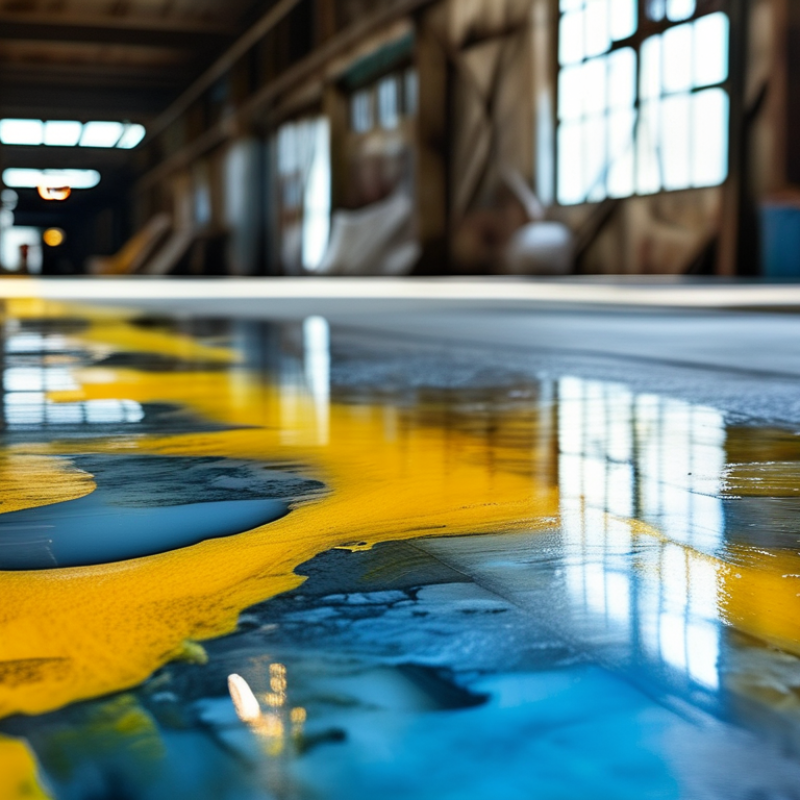
Epoxy paint is a versatile coating ideal for various surfaces. It consists of a resin and a hardener, creating a strong bond. This paint is well-known for its durability and resistance to chemicals. It's commonly used on floors, walls, and even a variety of equipment. The glossy finish gives surfaces an appealing look, while providing much-needed protection.
When choosing epoxy paint, consider the environment where it will be applied. For high-traffic areas, stronger formulations are needed. Outdoor applications must withstand UV rays. Always check the manufacturer’s specifications to ensure compatibility with different surfaces.
**Tips:** Ensure proper surface preparation to achieve the best results. Clean the area thoroughly to remove dirt or grease. Applying a primer can improve adhesion significantly. Remember, mixing epoxy paint requires precision. Too much or too little hardener will affect the finish and performance. Test small areas first if unsure about the application process.
What is Epoxy Paint and How to Choose the Best Product?
| Feature |
Description |
Ideal Applications |
Durability |
| Chemical Resistance |
Resistant to many chemicals and solvents. |
Industrial floors, garage floors. |
High durability under extreme conditions. |
| Adhesion Properties |
Forms strong bonds to various surfaces. |
Metal, concrete, wood surfaces. |
Excellent adhesion longevity. |
| Finish Types |
Available in gloss, semi-gloss, and matte finishes. |
Decorative applications in homes and businesses. |
Varies by finish type. |
| Curing Time |
Typically cures within 24 hours. |
Quick turnaround jobs. |
Achieves maximum strength after full cure. |
| Maintenance |
Easy to clean; resistant to staining. |
High-foot traffic areas. |
Low maintenance required over the years. |
Types of Epoxy Paints Available in the Market
Epoxy paints are widely used for their durability and strong adhesion. They come in various types, each serving a specific purpose. Understanding these types can help in selecting the right product for your project.
One popular category is self-leveling epoxy. This type creates a smooth, glass-like finish. It's often used in workshops and garages. The ease of application is appealing, but it may not be suitable for outdoor use.
Another option is epoxy floor coatings, which are designed for heavy-duty environments. These coatings can resist chemical spills and abrasions. Make sure to check the specific resistance ratings if you plan to use them in an industrial setting.
There are also decorative epoxy paints known for their aesthetic appeal. These can include metallic finishes or color flakes. They brighten up spaces but can be less durable than industrial options. Consider where you intend to use them. Reflect on your needs, as not every type will meet your specific requirements. Each type has its strengths and weaknesses. Your choice should be based on careful evaluation, keeping in mind factors like location and traffic.
Key Benefits of Using Epoxy Paint
Epoxy paint is known for its durability and resilience. It offers a tough, protective layer that withstands wear and tear. This kind of paint is especially suitable for high-traffic areas. It can be applied on floors, warehouses, and even outdoor surfaces. The chemical composition of epoxy paint helps it adhere strongly to surfaces. This means it resists peeling and chipping better than many traditional paints.
One of the key benefits of epoxy paint is its resistance to chemicals. It withstands spills from oils, solvents, and cleaners. This makes it ideal for garages and industrial settings. Another advantage is its moisture resistance. Epoxy paint can tolerate humidity, preventing damage in damp environments. Additionally, it is easy to clean. A simple wipe down can restore its shine, making maintenance straightforward.
However, applying epoxy paint is not always a seamless process. Surface preparation requires careful attention. If not done correctly, the result may not meet expectations. Proper ventilation is also important. The fumes can be overwhelming. These aspects require patience and diligence. A well-executed application results in a long-lasting finish that enhances any space.
Factors to Consider When Choosing Epoxy Paint
When choosing epoxy paint, several factors come into play. First, consider the surface type. Different surfaces, like concrete or metal, require specific formulations. Assess whether the paint is suited for indoor or outdoor use. Indoor paints often have lower VOCs for safety.
Next, think about the desired finish. Epoxy paint can range from glossy to matte. A glossy finish may highlight flaws. Sometimes, a matte option can provide a more forgiving appearance. Durability is crucial, especially in high-traffic areas. Look for formulations that offer resistance to chemicals and stains.
Finally, check the application process. Some epoxy paints require mixing before use. This step can be tricky, particularly for beginners. A user-friendly application process can save time and frustration. Reflect on your previous experiences with paint. Learning from past mistakes often guides better decisions. Ultimately, taking the time to evaluate these factors will help in selecting the ideal product for your project.
How to Properly Apply Epoxy Paint for Best Results
When applying epoxy paint, preparation is key. Start by cleaning the surface thoroughly. Remove dirt, grease, and any old paint. A clean base ensures proper adhesion. Use a degreaser and scrub the area well. Rinse and let it dry completely.
Tips: Always wear gloves and a mask. Epoxy fumes can be strong. Ventilate the area well.
Mix the epoxy paint according to the manufacturer’s instructions. Accurate mixing is crucial. Follow the recommended ratios for hardener and resin. Failing to do so might affect the paint's durability. Apply with a roller or brush designed for epoxy. Work in sections to avoid uneven application.
Tips: Test a small area first. This helps gauge how the paint reacts.
Avoid working in extreme temperatures. Both cold and hot can impact curing times. If possible, work in a controlled environment. Patience is essential for best results. Lastly, keep the area clean while painting. Dust or debris can ruin the final finish.