Why the Coatings Industry is Essential for Modern Manufacturing and Sustainability
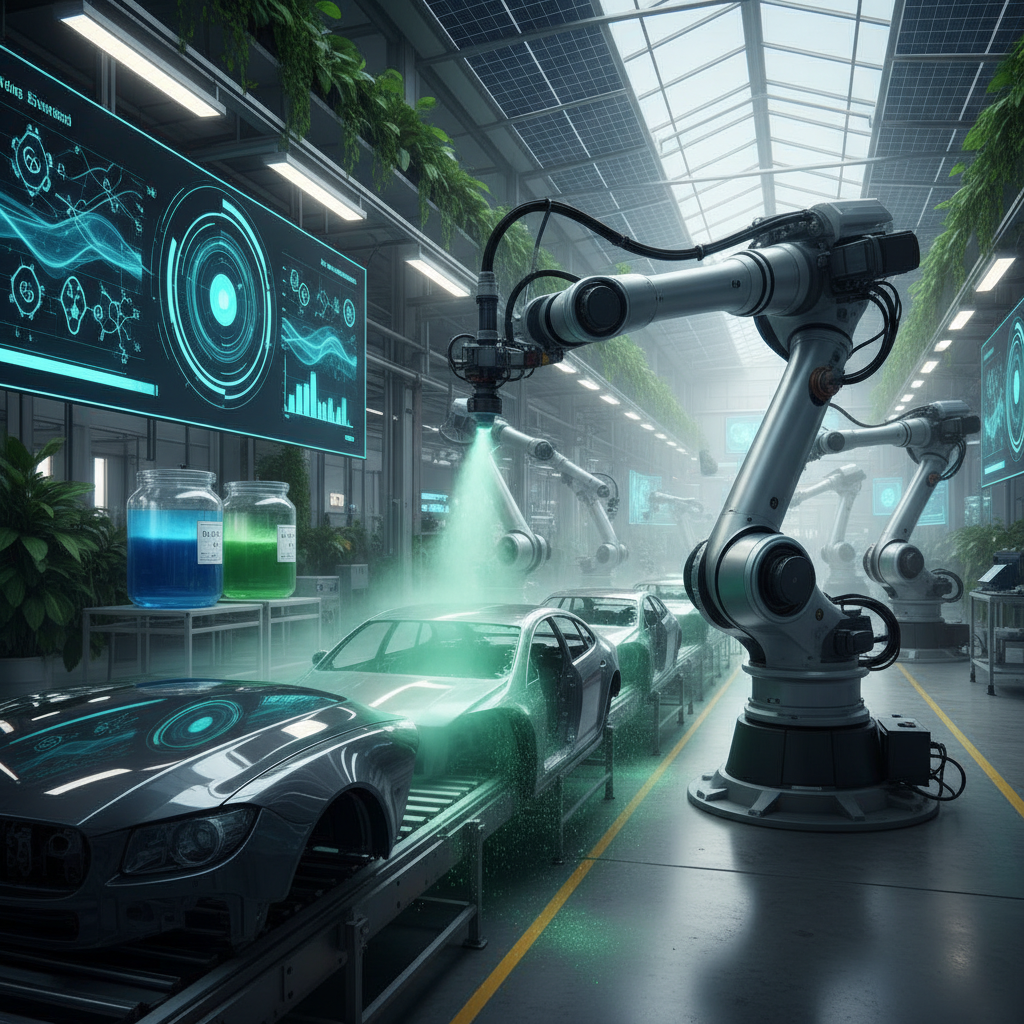
The coatings industry plays a crucial role in modern manufacturing, serving as a foundational element in a variety of sectors, including automotive, aerospace, and consumer goods. According to a report by Grand View Research, the global coatings market size was valued at approximately $150 billion in 2021 and is expected to expand at a compound annual growth rate (CAGR) of 4.8% from 2022 to 2028. This growth underscores the industry's significance not only in enhancing product durability and aesthetics but also in contributing to sustainability efforts.

As manufacturers increasingly prioritize sustainable practices, the coatings industry has risen to the challenge by developing eco-friendly products that reduce environmental impact. For instance, the use of water-based and low-VOC (volatile organic compound) coatings has surged, reflecting a broader trend towards compliance with stricter environmental regulations. According to the European Coatings Journal, the transition towards sustainable coatings can help lower greenhouse gas emissions by up to 30% in certain applications, offering a clear benefit in the fight against climate change.
In conclusion, understanding the essential role of the coatings industry is vital for appreciating its contributions to both modern manufacturing and sustainability initiatives. As we approach 2025, continued innovation within this sector will be key to meeting the evolving demands of a more sustainable industrial landscape, ensuring that products are not only high-performing but also environmentally responsible.
How to Understand the Role of Coatings in Enhanced Product Durability
Coatings play a pivotal role in modern manufacturing by enhancing product durability and extending the lifecycle of materials. According to a report by MarketsandMarkets, the global protective coatings market was valued at approximately $120 billion in 2022 and is projected to reach over $170 billion by 2027. This growth underscores the increasing recognition of how high-performance coatings can improve resistance to corrosion, abrasion, and other forms of degradation, significantly reducing the need for frequent repairs and replacements.
Moreover, the application of advanced coatings can lead to substantial sustainability benefits. For instance, environmentally friendly coatings, such as those based on waterborne technologies, contribute to lower volatile organic compound (VOC) emissions. A study by the United States Environmental Protection Agency (EPA) found that such innovations can decrease VOC emissions by nearly 50% compared to traditional solvent-based approaches. By improving product durability through enhanced coatings, manufacturers not only reduce waste but also align with global sustainability goals, making coatings an indispensable component of responsible manufacturing practices.
Why the Coatings Industry is Essential for Modern Manufacturing and Sustainability
| Coating Type |
Primary Benefits |
Durability Rating (Years) |
Environmental Impact |
| Polyurethane |
Excellent chemical resistance, UV stability |
5-10 |
Low VOC options available |
| Epoxy |
Outstanding adhesion, impact resistance |
10-15 |
Generally low VOCs, but some formulations high |
| Acrylic |
Quick drying, excellent color retention |
3-7 |
Water-based options minimize environmental impact |
| Ceramic |
High-temperature resistance, scratch-proof |
15-20 |
May include heavy metals, check regulations |
| Fluoropolymer |
Non-stick properties, excellent weather resistance |
10-20 |
Concern over PFOA and similar chemicals |
How to Optimize Coating Application Processes for Better Efficiency
The coatings industry plays a pivotal role in modern manufacturing, particularly as companies increasingly prioritize sustainability. Recent studies indicate that nearly 60% of manufacturers are actively seeking sustainable coating solutions to reduce their environmental footprint. Optimizing coating application processes becomes essential not only for improving efficiency but also for minimizing energy consumption and waste. This transition is underscored by advancements in innovative coating technologies that require less energy and utilize eco-friendly raw materials.
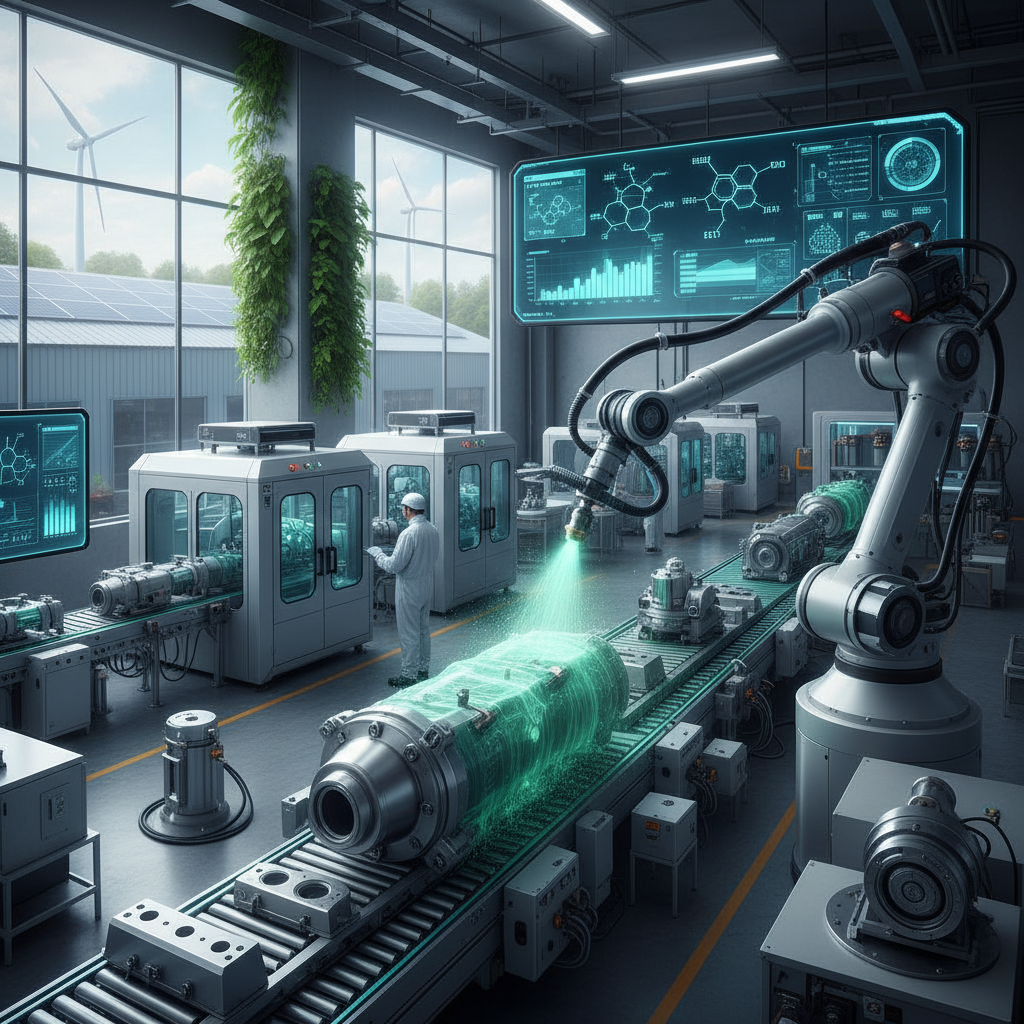
To enhance efficiency in coating applications, manufacturers can focus on employing advanced techniques such as electrostatic spraying and high-efficiency particulate air (HEPA) filtration systems. These methods not only ensure optimal coating adhesion but also significantly reduce overspray and material waste. According to industry reports, implementing such practices can improve material utilization by up to 30%, aligning with sustainability goals while supporting operational excellence. By adopting these strategies, the coatings sector not only addresses sustainability concerns but also adapts to evolving market trends prioritizing environmentally responsible manufacturing processes.
How to Implement Sustainable Practices in Coating Manufacturing
Implementing sustainable practices in coating manufacturing is crucial for minimizing environmental impact while ensuring efficient production. One effective strategy is to incorporate eco-friendly materials in formulations. Using water-based paints and bio-based solvents not only reduces volatile organic compounds (VOCs) but also enhances worker safety and reduces health risks. Manufacturers can also explore the use of recycled materials in their products, contributing to a circular economy that values resource conservation.
Furthermore, adopting energy-efficient technologies and processes can significantly reduce energy consumption in coating applications. This includes utilizing advanced curing methods, such as UV or electron beam curing, which require less energy compared to traditional thermal curing. Implementing waste management systems that prioritize recycling and reusing materials can further enhance sustainability. Continuous training and engagement of employees in sustainable practices are also essential, as informed workers can identify opportunities for improvements and innovations in the production process, leading to a more sustainable coating industry.
Coatings Industry: Sustainable Practices in Manufacturing
How to Keep Up with Innovations in Coating Technologies for Modern Needs
In the rapidly evolving landscape of modern manufacturing, staying updated with innovations in coating technologies is crucial. Advanced coatings not only enhance the durability and performance of products but also contribute significantly to sustainability efforts. Manufacturers are increasingly focused on developing eco-friendly materials that reduce environmental impact, yet still meet the rigorous demands of contemporary production processes. Regularly attending industry conferences, participating in webinars, and engaging with research publications are practical approaches for staying informed about the latest advancements in coating applications and techniques.
Moreover, collaborating with coating specialists and technology providers can provide insights into cutting-edge solutions tailored to specific manufacturing needs. As industries gravitate toward smart manufacturing and automation, integrating innovative coating technologies—such as nano-coatings and self-healing materials—becomes essential. By implementing these state-of-the-art solutions, manufacturers can enhance product longevity, reduce maintenance costs, and meet stringent regulatory requirements while championing sustainability. Continuous learning and adaptation in coating innovations will ultimately determine a manufacturer’s competitiveness and ecological responsibility in the modern market.