How to Choose the Best Protective Coatings in 2026

Choosing the best protective coatings in 2026 starts with the surface, not the product label. Steel exposed to coastal salt needs different protection from concrete floors facing daily abrasion or equipment exposed to cleaning chemicals. A coating that performs well in a laboratory may fail early if the surface is damp, poorly prepared, or applied outside its temperature range. Small details matter. Often, more than expected.

The right choice depends on the substrate, operating environment, expected service life, and maintenance plan. Review technical data sheets for adhesion, chemical resistance, temperature limits, curing time, and recommended film thickness. Then compare those figures with real site conditions: a cold warehouse, a sunlit roof, or a pipe regularly washed down. Ask suppliers for test methods and evidence that match your application. A single performance claim rarely tells the whole story.

There is no universal best coating, and product tables can make decisions look simpler than they are. Application quality, inspection, and surface preparation can matter as much as chemistry. This guide explains how to compare coating types, assess trade-offs, and avoid choices based only on upfront price. It also considers newer formulations and practical questions to ask before specifying a system. Conditions vary, so verify recommendations with qualified coating professionals and project-specific testing where failure would be costly.

How to Choose the Best Protective Coatings in 2026

Assess the Substrate, Exposure Conditions, and Protection Goals

How to Choose the Best Protective Coatings in 2026

Assess the Substrate, Exposure Conditions, and Protection Goals

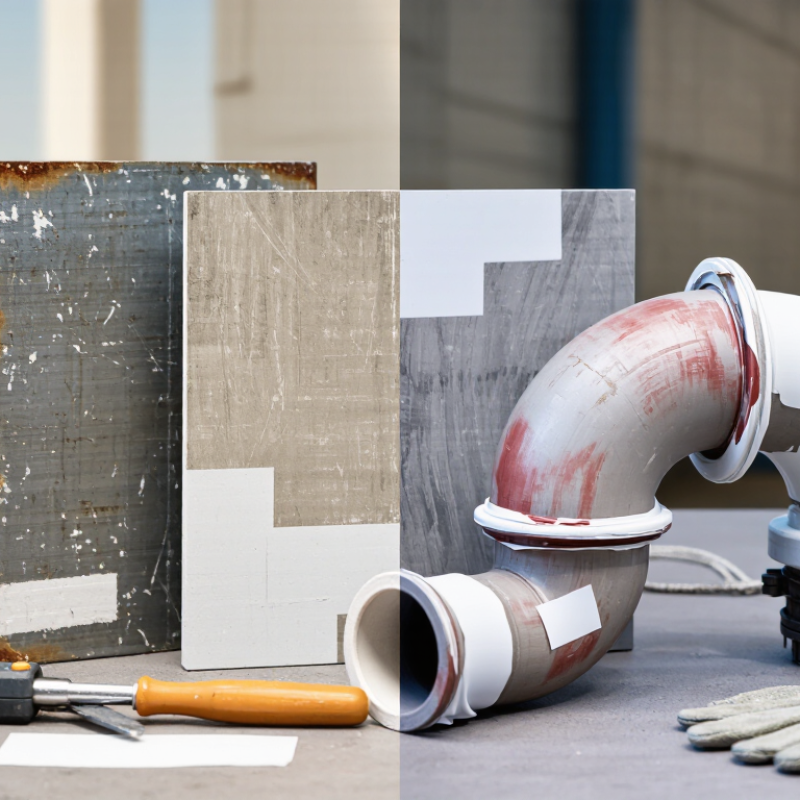
Start with the substrate, not the coating label. Steel, concrete, and previously coated surfaces need different preparation and film systems. Check for rust, laitance, oil, salts, and moisture before specifying anything. A coating cannot compensate for weak adhesion.

Small details matter. On steel, record the surface profile and confirm it suits the selected system. On concrete, check moisture and surface strength; trapped water can lead to blistering or early failure.

Next, describe the real exposure: coastal salt spray, chemical splash, standing water, sunlight, abrasion, or changing temperatures. Include how often the surface gets wet and whether cleaning chemicals are used. Set a measurable goal, such as corrosion control, easier cleaning, or a defined maintenance interval.

NACE International’s 2016 IMPACT study estimated corrosion costs at US$2.5 trillion annually, or 3.4% of global GDP, and reported that improved corrosion-control practices could save 15–35%. That estimate covers corrosion broadly, not coatings alone.

One uncomfortable point: site conditions rarely match the drawings perfectly. A careful inspection and a small trial area can reveal problems before full application. Repair access, downtime, and surface preparation should also shape the choice.

A high-performance system may still be the wrong fit if the site cannot apply or maintain it properly.

Compare Protective Coating Types and Their Key Properties

Protective coatings differ in how they resist moisture, sunlight, chemicals, and wear. Epoxy forms a hard, strongly adhering film that suits many indoor floors and steel surfaces. It can chalk or fade under prolonged sunlight, so exposed areas may need a UV-resistant topcoat. Polyurethane generally offers better color and gloss retention outdoors, but application conditions and curing time matter. Acrylic coatings dry quickly and tolerate sunlight well, though they may offer less abrasion resistance than thicker systems. Zinc-rich coatings help protect steel from corrosion, but they depend on correct surface preparation and compatible layers.

The best comparison starts with the actual exposure. A damp utility room, a sunlit railing, and a chemically washed factory floor need different properties. Check the substrate, expected temperature range, cleaning routine, and abrasion level before selecting a coating. Compare adhesion, flexibility, chemical resistance, and recommended film thickness on technical data sheets. A coating can look suitable on paper yet fail if applied over dust, oil, or trapped moisture. That detail is easy to underestimate.

Tips: Test the full coating system on a small area, including primer and topcoat. Record surface conditions and drying times. Don’t judge performance from appearance alone. If exposure conditions are uncertain, ask a qualified coatings professional to review the specification.

Match Coating Performance to Environmental and Regulatory Demands

How to Choose the Best Protective Coatings in 2026

Match a coating to the conditions it will actually face, not just the product label. A steel handrail beside a coastal road needs resistance to salt, moisture, and abrasion. A factory floor may instead encounter cleaning chemicals, rolling loads, and frequent washdowns. Check the substrate, surface preparation, operating temperature, and expected service life before comparing coating systems. Small details matter.

Environmental and regulatory demands can narrow the options quickly. In enclosed spaces, volatile organic compound limits may affect which products are suitable. Projects involving drinking-water infrastructure or food-processing areas may require specific approvals for the intended use. Requirements vary by location and application, so confirm current local rules with the project engineer or relevant authority. Keep technical data sheets and compliance records with the project documents. Paperwork counts.

Do not treat a single test result as a guarantee of field performance. Salt-spray ratings, for example, cannot reproduce every combination of poor drainage, damaged edges, and uneven application. Ask how the coating performs under conditions like yours, and follow the specified preparation and curing steps. A coating can look sound while hiding a weak bond beneath it. That is easy to miss. If exposure is uncertain, document the assumptions and seek qualified technical advice before committing. Even a careful choice may need revisiting when the site changes.

Evaluate Application Methods, Compatibility, and Lifecycle Costs

How to Choose the Best Protective Coatings in 2026

Application method affects more than convenience. Spraying can cover complex steelwork quickly, but wind, masking, and overspray control may add labor. Brushing or rolling suits edges and small repairs, though it can leave uneven film thickness on broad surfaces. Compare the product’s required dry-film thickness with the tools, access, and crew skills available. Test a small patch. Record surface temperature, humidity, and drying time during the trial; these details help explain unexpected results later.

Compatibility starts with the substrate and existing layers. Check whether the coating suits concrete, galvanized steel, or previously painted surfaces, and confirm the specified surface preparation. A clean-looking surface may still carry oil or salts. Follow technical data sheets for moisture limits, primer requirements, and recoat windows, then verify adhesion on a representative area where practical. Lifecycle cost includes more than the purchase price: factor in preparation, application labor, inspection, downtime, and likely repair intervals. A cheaper coating may require earlier recoating, but estimates are uncertain when exposure varies across a site. Note that uncertainty in the maintenance plan.

How to Choose the Best Protective Coatings in 2026

Compare application methods alongside coating compatibility and lifecycle costs.

Typical material transfer efficiency is the share of coating that reaches the target surface. Bars show midpoints of commonly reported operating ranges; actual results vary with equipment, operator, coating, and part geometry. Choose a method compatible with the substrate and coating specifications, then compare total lifecycle costs—including surface preparation, labor, downtime, and recoating—not application efficiency alone.

Indicative ranges: brush/roller 90–100%, HVLP spray 65–80%, electrostatic spray 65–95%, airless spray 30–50%, conventional air spray 25–35%. Reference context: U.S. EPA coating-application guidance and commonly reported industry ranges.

Verify Product Specifications, Maintenance Needs, and 2026 Innovations

Choosing protective coatings in 2026 starts with evidence, not a promising label. Check the technical data sheet for recommended film thickness, surface preparation, curing conditions, and chemical or abrasion resistance. Compare those values with the actual site: a damp steel platform and a sunlit concrete roof face different stresses. Ask for test methods and results, not just broad performance claims.

Maintenance belongs in the specification, too. Record inspection intervals, repair procedures, and the conditions that require recoating. The AMPP IMPACT study estimated corrosion costs at US$2.5 trillion worldwide, or 3.4% of global GDP, using 2013 data. It also estimated that better corrosion management could save 15–35% of those costs. These are historical estimates, not a current project forecast. Still, they show why lifecycle planning matters. Small details count.

In 2026, consider newer options such as lower-temperature-cure systems and sensor-assisted condition monitoring, but verify performance in comparable environments. Ask how the coating handles scratches, edge coverage, and repeated washdowns. Request independent test data and a maintenance plan before treating an innovation as a proven solution. I’d pause here: impressive laboratory results may not predict years of field exposure. A small site trial can reveal application problems that a data sheet misses.

How to Choose the Best Protective Coatings in 2026: Verify Product Specifications, Maintenance Needs, and Innovations

Compare coating families against the actual substrate, exposure conditions, preparation requirements, and service-life goals. Performance varies by formulation and application; confirm all values in the current technical data sheet and project specification.

Coating system Common applications Typical strengths Specifications to verify Maintenance considerations 2026 selection considerations
Epoxy Concrete floors, steel structures, tanks, and industrial interiors Strong adhesion and abrasion resistance when correctly specified and applied; many systems provide effective protection against water and chemicals. Substrate moisture limits; surface-preparation standard; primer and topcoat compatibility; dry-film thickness; chemical-resistance data; recoat window; cure time. Inspect for wear, impact damage, blistering, and chemical attack. Repair damaged areas promptly; ultraviolet exposure can cause many epoxy finishes to chalk or change color. Compare complete system data, not just the resin type. Check local VOC requirements and confirm that the specified system is suitable for the actual chemicals and service temperature.
Polyurethane Exterior steel, transport equipment, industrial structures, and topcoats over compatible primers Often selected for weatherability, color and gloss retention, and abrasion resistance. Aliphatic formulations are commonly used where better exterior color stability is needed. Primer compatibility; exterior exposure rating; gloss and color retention evidence; application temperature and humidity limits; film thickness; curing and recoat requirements. Wash off accumulated dirt and contaminants, then inspect for scratches, loss of gloss, and coating breakdown. Repair exposed substrate before corrosion spreads. Review application safety information carefully: some two-component products use isocyanate-containing hardeners and may require stringent exposure controls and suitable respiratory protection.
Zinc-rich protective primer Prepared carbon steel in atmospheric and industrial environments, usually beneath a compatible coating system Provides sacrificial corrosion protection when the zinc content, electrical contact, film thickness, and substrate preparation meet the product requirements. Zinc content basis stated by the manufacturer; surface cleanliness and profile; dry-film thickness; repair procedure; overcoat compatibility; environmental exposure category. Inspect coating damage, rust staining, and areas where the primer is exposed. Follow the specified repair sequence and avoid assuming every zinc-rich primer can be left as a final coat. Verify the complete primer-to-finish system and applicable project standards. Compare durability evidence and maintenance access rather than relying on zinc content alone.
Moisture-cured or conventional polyurethane elastomeric roof coating Suitable roof membranes and details where the system is approved for the existing substrate Can provide a flexible, weather-resistant layer; some formulations are designed to bridge limited movement or protect against standing water under defined conditions. Approved substrate list; ponding-water limits; elongation and tensile properties; film thickness; reinforcement requirements; UV exposure rating; application and cure conditions. Keep drains and scuppers clear. Inspect seams, penetrations, blisters, and damaged areas after severe weather; recoat only as directed by the system instructions. Check whether the product is compatible with the existing roof and whether local rules restrict its chemistry or emissions. Do not treat all roof coatings as interchangeable.
Silicone roof coating Roof restoration on compatible substrates, particularly where a system is specified for the site’s moisture and weather conditions Many silicone systems offer strong resistance to ultraviolet exposure and can tolerate standing water better than some alternative roof-coating chemistries, subject to product limitations. Substrate and primer requirements; ponding-water warranty conditions; adhesion test method; required dry-film thickness; recoat procedure; compatibility with future repair materials. Remove debris regularly and check for punctures, poor adhesion, and damage around penetrations. Surface dirt can accumulate, and recoating may require specific preparation for adhesion. Assess roof drainage and future repair plans. Verify that later coatings or sealants can bond to the cured surface before selecting a system.
Fluoropolymer architectural finish Exterior architectural metal and other specified components exposed to weather and sunlight High-performance systems are used where long-term weathering and color retention are priorities; actual performance depends on the coating formulation, film build, and application quality. Applicable coating and test standards; color and gloss tolerances; pretreatment; primer and topcoat build; adhesion; weathering data; approved fabrication and repair methods. Use the cleaning method recommended for the finish. Inspect joints, cut edges, and damaged areas; repair coating defects with approved materials. Compare documented weathering and maintenance requirements. Check regulatory status and chemical disclosure for the specific formulation rather than inferring composition from the coating-family name.
Waterborne acrylic Walls, ceilings, masonry, and selected metal or concrete applications when the product is approved for the substrate Often has lower solvent emissions than conventional high-solvent coatings and can provide useful weathering performance in appropriate applications. VOC content; substrate preparation; permeability; water resistance; adhesion; minimum application temperature; drying and curing conditions; primer requirements. Clean gently and inspect for cracking, peeling, mildew, or water intrusion. Correct the underlying moisture source before recoating. Lower VOC does not mean zero emissions or universal suitability. Confirm local compliance, indoor-air requirements, and performance under the project’s exposure conditions.
Intumescent fire-protective coating Specified structural steel and other assemblies requiring tested fire resistance Expands under heat to form an insulating char; protection is established for tested assemblies and specified loading and exposure conditions. Required fire-resistance rating; tested assembly and design; section factor; required dry-film thickness; primer and topcoat compatibility; environmental durability; inspection method. Inspect for impact, cracking, moisture damage, corrosion, or unauthorized modifications. Repairs must restore the specified system thickness and approved assembly details. Use current project approvals and engineering documentation. A coating’s generic fire-performance claim does not establish a rating for every steel member or building configuration.

Specification check: Before purchase, confirm the current technical data sheet, safety data sheet, applicable test standards, substrate preparation, application limits, required film thickness, and compatibility of every layer. Ask for project-relevant test reports and written maintenance instructions; do not assume that performance claims apply to every site condition.