How to Choose the Best Plastic Powder Coating for Your Needs?
When selecting the right plastic powder coating for your projects, understanding your specific needs is crucial. John Smith, an expert in surface finishing, emphasizes, "The best coating balances durability, aesthetic appeal, and cost-effectiveness." With so many options available, it can be overwhelming to navigate this industry.
Plastic powder coatings offer advantages such as resistance to chipping and fading. However, not all coatings are created equal. Each formulation has unique properties that cater to different applications. Factors such as environment, usage, and desired finish matter greatly in choosing the right coating.
Seeking guidance from professionals can help avoid costly mistakes. Testing samples may provide insights into performance under various conditions. Relying on data sheets and customer reviews ensures a well-informed decision. Ultimately, the right choice can enhance the longevity and appearance of your products while adhering to industry standards.
Understanding the Basics of Plastic Powder Coating Types and Applications
When selecting the best plastic powder coating, understanding the different types and their applications is crucial. There are several varieties, including epoxy, polyester, and hybrid coatings. Epoxy coatings are ideal for interior use due to their durability and resistance to chemicals. However, they do not hold up well outdoors. Polyester coatings, on the other hand, provide excellent UV resistance, making them suitable for exterior applications.
According to industry reports, the global powder coating market is expected to grow steadily at 6% annually until 2025. This growth is driven by increasing demand for environmentally friendly products. Many powder coatings have low volatile organic compounds (VOCs), aligning with sustainability goals.
**Tip:** Evaluate your project requirements carefully. For interior applications, epoxy might be sufficient, but consider polyester for outdoor durability.
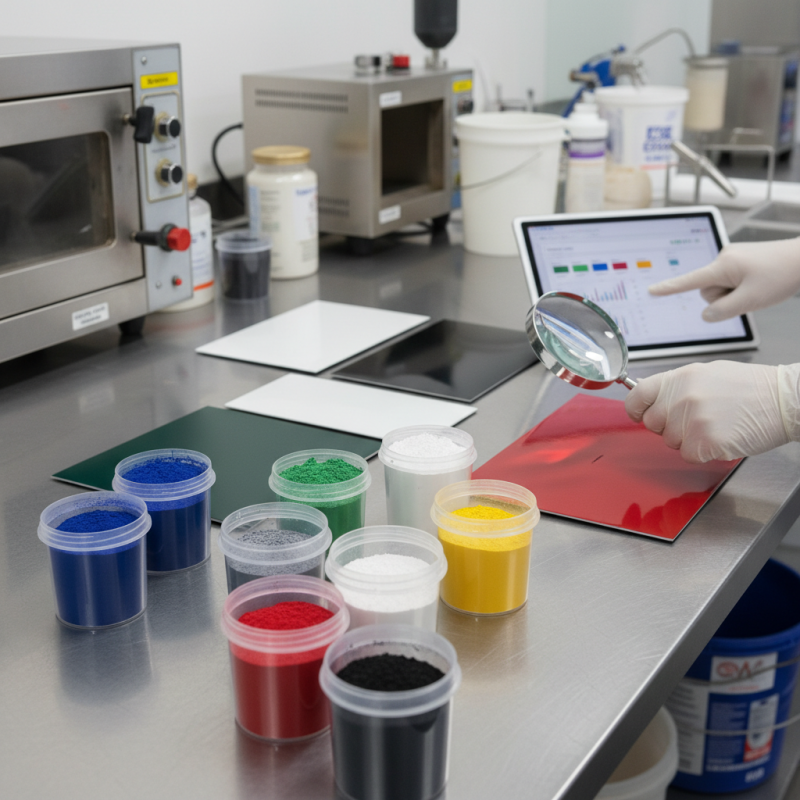
Another important factor is the substrate material. Different plastics require tailored solutions to ensure adhesion and performance. A misalignment here can lead to peeling or chipping. Testing small samples on your specific substrate can help identify the best coating for your needs.
**Tip:** Always check for compatibility with substrate materials. Take notes on any failures to refine your approach.
How to Choose the Best Plastic Powder Coating for Your Needs?
| Coating Type |
Key Properties |
Best Applications |
Curing Temperature |
Finish Options |
| Epoxy |
Excellent corrosion resistance, hard finish |
Industrial equipment, automotive parts |
350°F - 400°F |
Gloss, semi-gloss |
| Polyester |
Good weather resistance, flexibility |
Outdoor furniture, architectural components |
350°F - 400°F |
Textured, smooth |
| Hybrid |
Balance of epoxy and polyester properties |
General metal items, indoor/outdoor use |
350°F - 400°F |
Variety |
| Polyurethane |
Excellent UV resistance, durability |
Automotive parts, outdoor equipment |
375°F - 400°F |
Satin, gloss |
Evaluating Performance Criteria: Durability, Flexibility, and Chemical Resistance
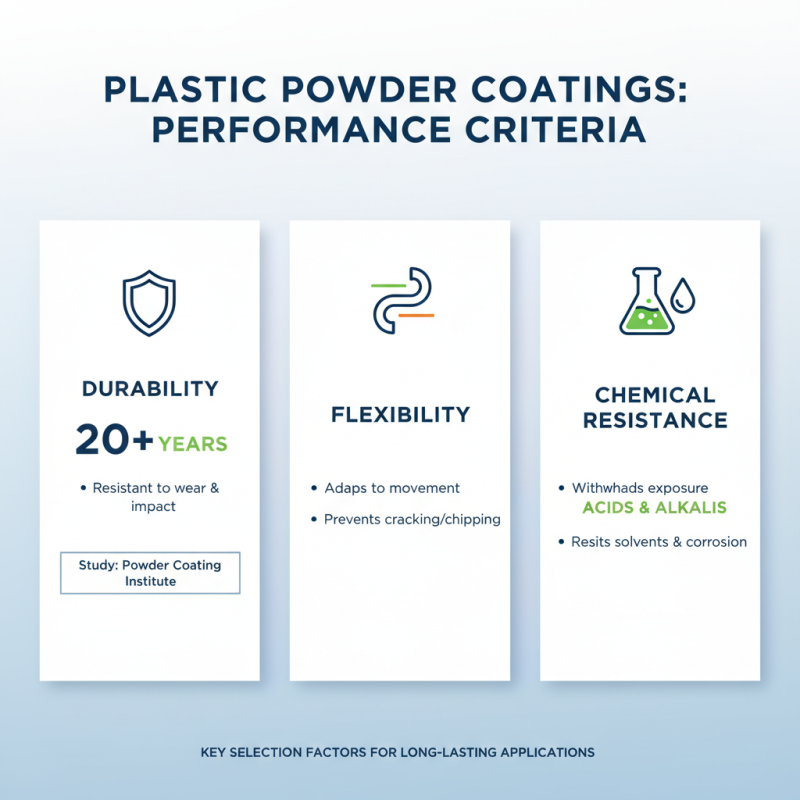
When selecting plastic powder coatings, understanding performance criteria is crucial. Durability is a primary factor. A study from the Powder Coating Institute indicates that coatings can last over 20 years with proper application. However, not all coatings maintain performance under harsh conditions. For instance, some formulations may degrade faster in extreme temperatures. This can lead to costly reapplication.
Flexibility also impacts the longevity of a coating. Research shows that coatings with higher flexibility can resist cracking and damage. In environments where physical stress is common, flexibility becomes essential for maintaining aesthetics and functionality. Many coatings offer flexibility ratings, but the right choice often depends on specific applications.
Chemical resistance is another vital criterion. Coatings must withstand exposure to various chemicals to prevent degradation. Data from the American Coatings Association suggests that certain formulations can endure abrasives and solvents without significant wear. However, it's important to test the coating against the specific chemicals it may encounter. Inadequate chemical resistance can lead to premature failure and necessitate early replacement.
Key Considerations for Color and Finish: Gloss, Texture, and Customization
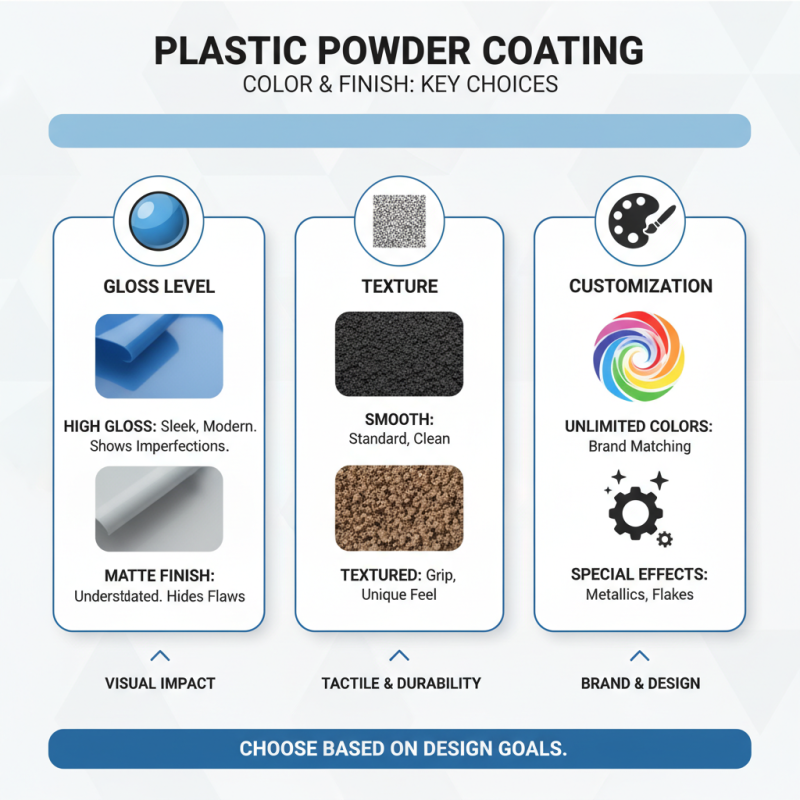
When choosing plastic powder coating, color and finish are pivotal. Gloss levels can dramatically affect appearance. High gloss provides a sleek, modern look. Yet, it also shows imperfections more readily. A matte finish can help hide minor flaws while offering a more understated aesthetic. Each option carries its pros and cons, depending on your design goals.
Texture adds another layer of complexity. Smooth surfaces reflect light differently than textured ones. Textured coatings can enhance grip and resilience, making them ideal for functional applications. However, they can also absorb dirt and grime more easily. Customization enables tailoring to specific project needs, but it often requires careful planning and execution.
Consider the end use of the item. A vibrant color might evoke excitement but can fade under harsh UV exposure. Keep durability in mind, along with visual appeal. Think about maintenance and longevity. Each choice you make influences both aesthetics and practicality. Balancing these elements can be challenging, yet it is essential for achieving the desired outcome. Finding the perfect powder coating is a meticulous process, one that invites both creativity and caution.
Assessing Environmental Impact: VOC Compliance and Sustainable Options
When selecting a plastic powder coating, environmental impact stands as a crucial consideration. VOC emissions are a key factor. According to a report from the Environmental Protection Agency (EPA), VOCs (Volatile Organic Compounds) can significantly affect air quality. A 2021 study indicated that using low-VOC powder coatings can reduce emissions by up to 85%. This makes a strong case for choosing environmentally friendly options.
Opting for sustainable powder coatings can benefit both the environment and your production process. Many eco-friendly coatings utilize bio-based or recycled materials. The latest data shows that switching to these options can lower carbon footprints substantially. However, manufacturers may find these products less familiar or more challenging to apply, leading to potential quality concerns.
It’s essential to weigh the benefits against possible drawbacks. Sustainable coatings often come with a learning curve. Some applications may require adjustments to existing processes. Evaluating these factors thoroughly is critical. Balancing performance, compliance, and sustainability can lead to better long-term outcomes beyond immediate costs.
Cost Analysis: Factors Influencing the Price of Powder Coating Solutions
When evaluating plastic powder coatings, it’s important to consider costs. Several factors can influence the final price. These include the type of resin used, which affects both durability and appearance. High-quality resins tend to be more costly but offer better protection and a longer lifespan.
Another significant factor is the manufacturing process. Different production methods can lead to variations in price. More complex techniques often yield superior finishes but may increase overall costs. Additionally, the volume of powder purchased typically influences pricing. Bulk purchases often result in discounts, making them more economical for larger projects.
Choosing the right powder coating also involves considering the intended application. Specialized coatings for harsh environments usually command a higher price. It's essential to balance cost with the desired performance. Opting for the cheapest option might lead to increased long-term expenses due to premature failure or inadequate protection. Reflect on your specific needs to make an informed choice.
Cost Analysis of Different Plastic Powder Coating Solutions