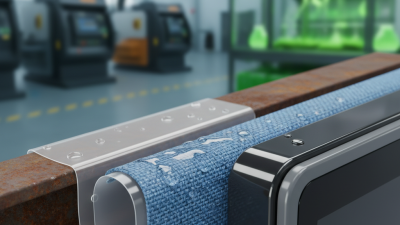
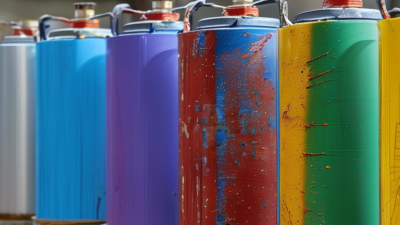
Choosing the right pvc coating starts with the conditions it must face, not the color on the sample card. Will it protect steel outdoors, cover fabric, or line a surface exposed to cleaning chemicals? Each use places different demands on adhesion, flexibility, abrasion resistance, and temperature performance. Small details matter. A coating that bends well may still fail if the substrate is oily or poorly prepared.
The scale of the challenge is clear in AMPP’s IMPACT study, which estimated that corrosion costs the global economy about US$2.5 trillion annually, or 3.4% of global GDP. That figure covers corrosion broadly, not PVC coatings specifically, but it shows why protection choices deserve careful evaluation. Meanwhile, Grand View Research’s PVC market report estimated the global PVC market at US$72.7 billion in 2023. This reflects demand for PVC materials overall; it should not be mistaken for a coating-market estimate.
A practical selection begins with a real-use checklist: substrate, exposure, expected service life, application method, and maintenance limits. Then compare product data sheets for film thickness, adhesion, chemical resistance, and weathering results. Ask for test methods and conditions, not just a “high-performance” label. Sample testing on the actual substrate can reveal issues that a brochure misses. It takes time. And no coating is universally best. This guide explains how to weigh those factors and choose a PVC coating that fits the job, while recognizing that available test data may not perfectly reproduce years of field exposure.
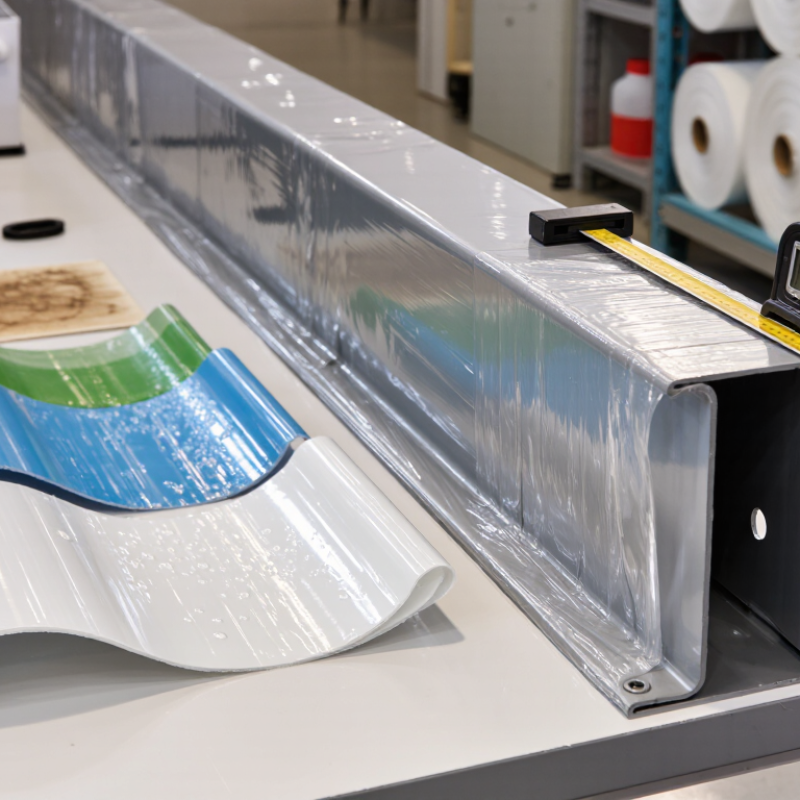
Before comparing PVC coating types, identify what the coating must bond to. Polyester fabric, cotton, and steel each behave differently under heat, tension, and bending. A coating that grips a rigid panel may crack on a repeatedly folded fabric. Check the substrate’s surface energy, porosity, and existing finish; oil, moisture, or a smooth primer can weaken adhesion. Small details matter.
Match the coating to its real job. A truck cover faces sunlight, rain, and abrasion; an indoor cable jacket may need flexibility and resistance to oils. PlasticsEurope’s Plastics – the Fast Facts 2023 reports global plastics production of 400.3 million tonnes in 2022, showing PVC’s place in a large, varied materials sector—not that every PVC formulation performs alike. The VinylPlus 2024 Progress Report records 724,638 tonnes of PVC recycled in Europe in 2023. That figure concerns PVC recycling overall, not every coated product; a bonded fabric-and-coating assembly may be harder to separate. Test a sample on the actual substrate. Bend it. Wet it. Rub it. Measure adhesion after exposure to the conditions it will face. I would not rely on a catalogue label alone; the intended use can be less predictable than the specification suggests.
| Substrate | Intended application | PVC coating approach | Key preparation and selection points | Important checks |
|---|---|---|---|---|
| Carbon steel | Outdoor fencing, fabricated parts, pipework, and equipment exposed to moisture or mild chemicals | Use a compatible primer beneath the PVC where required; select a flexible or rigid PVC system according to the part and service conditions. | Remove oil, rust, scale, and loose contaminants. Surface cleaning or abrasive preparation may be needed to achieve reliable adhesion. | Check adhesion, coverage at edges and welds, impact resistance, and corrosion protection after exposure to the intended environment. |
| Galvanized steel | Wire products, mesh, outdoor hardware, and components requiring both a zinc layer and a polymer surface | Choose a PVC coating process and primer specifically compatible with zinc-coated surfaces. | Clean away oils and surface residues. Avoid preparation that unnecessarily removes or damages the zinc layer; confirm the surface is suitable for coating. | Assess PVC-to-zinc adhesion, coating continuity, flexibility during forming, and resistance to peeling or cracking. |
| Aluminum | Panels, enclosures, trim, and lightweight components needing a colored or protective finish | Use a PVC coating system formulated for aluminum, with an appropriate pretreatment or adhesion-promoting primer. | Remove grease and contaminants, and control the oxide surface through a suitable pretreatment. Verify compatibility before coating production parts. | Check adhesion, appearance, forming requirements, and resistance to the expected temperature and chemical exposure. |
| Polyester or other textile fabric | Tarpaulins, protective covers, flexible curtains, and coated fabric products | Apply a flexible PVC formulation by a suitable textile-coating process, such as knife coating or calendaring, depending on the fabric and product design. | Match the coating to the fabric construction and required flexibility. Confirm that the fabric is clean, dry, and dimensionally suitable for processing. | Evaluate adhesion, tear strength, fold endurance, seam performance, water resistance, and low-temperature flexibility where relevant. |
| Concrete or masonry | Protective lining or membrane applications where a PVC layer is part of a designed system | Use a PVC membrane or lining system designed for the substrate and installation method; a compatible bonding layer may be necessary. | The surface should be sound and free of dust, laitance, oil, and sharp projections. Manage moisture and substrate movement according to system requirements. | Confirm chemical compatibility, seam or joint integrity, water exposure conditions, and the manufacturer's installation specifications. |
Selection note: PVC coating performance depends on the formulation, application method, coating thickness, substrate preparation, and service environment. Confirm suitability through product specifications and testing under the conditions the finished item will encounter.