Why Choose Plastic Powder Coating for Your Next Project?
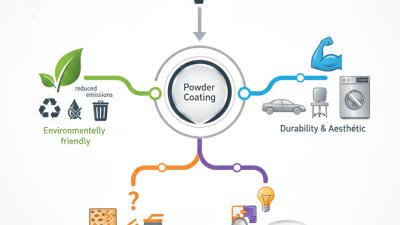
Plastic powder coating has become a popular choice for various industries. This technique offers durability and aesthetic appeal that traditional liquid coatings often lack. According to a recent industry report from Smith & Associates, the demand for plastic powder coating is expected to grow by over 7% annually in the next five years. This can be attributed to its environmental benefits, such as reduced VOC emissions and increased recyclability.
“Plastic powder coating provides an excellent finish while minimizing waste,” says Dr. Jane Thompson, a renowned expert in coatings technology. Her insights highlight the effectiveness of this method in achieving high-quality results. However, not all applications may benefit equally. Some end-users might find the initial investment off-putting. It is essential to weigh the long-term advantages against upfront costs.
Furthermore, the application process requires careful attention. Proper technique is crucial to avoid defects such as uneven coverage or bubbling. Overall, adopting plastic powder coating could lead to impressive results, but it demands due diligence and expertise throughout the project.
Benefits of Plastic Powder Coating for Durability and Longevity
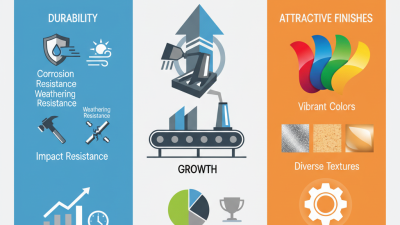
Plastic powder coating is increasingly gaining popularity for its exceptional durability. This coating provides a hard finish that is resistant to scratches, chipping, and fading. It stands out in various environments, from outdoor settings to industrial applications. The thickness of the coating enhances resistance to harsh weather, ensuring longevity even in extreme conditions.
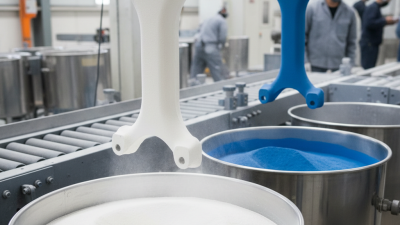
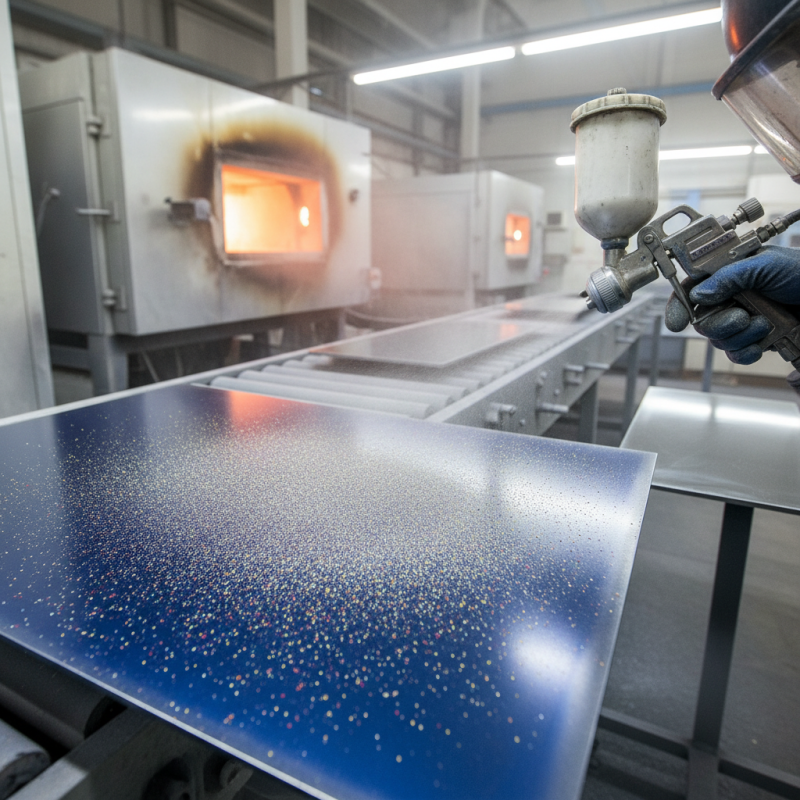
When considering plastic powder coating, one must reflect on the application process. It is applied as a free-flowing powder and then cured under heat. This method creates a bond that is stronger than traditional liquid coatings. However, achieving an even finish can be challenging for inexperienced applicators. Proper technique is essential to avoid common pitfalls, such as uneven surfaces or bubbles.
Moreover, the versatility of plastic powder coating allows for numerous colors and textures. This diversity can meet unique project needs, but it may require additional testing to achieve the desired look. Ensuring compatibility with materials is crucial. These factors contribute to the overall effectiveness and reliability of the coating in various situations. In conclusion, while plastic powder coating offers many benefits, careful consideration of its application and compatibility is vital for success.
Benefits of Plastic Powder Coating
Plastic powder coating offers a range of significant benefits contributing to its durability and longevity, including high corrosion resistance, excellent color retention, impact resistance, being environmentally friendly, and cost efficiency. The above chart showcases a rating scale of these key benefits, illustrating their importance in your next project.
Environmental Impact: Plastic Powder Coating and Sustainability
Plastic powder coating represents a compelling choice for environmentally conscious projects. According to a report by the Powder Coating Institute, plastic powder coatings generate minimal waste during production and application. Unlike traditional liquid coatings, they emit little to no volatile organic compounds (VOCs), which are harmful to both health and the environment. Adopting plastic powder coatings can significantly reduce air pollution, aligning with sustainability goals.
The recycling potential of plastic powder coatings further enhances their eco-friendly profile. Studies show that approximately 90% of powder materials can be reclaimed and reused. This cycle not only conserves resources but also reduces the energy consumption associated with new material production. Yet, it’s crucial to recognize that not all powder coatings are created equal. Some formulations may include harmful additives or fillers, which pose a risk to sustainability initiatives. This ongoing challenge highlights the need for industry scrutiny and innovation in developing safer alternatives.
Overall, embracing plastic powder coating can facilitate substantial improvements in sustainability. However, careful selection and evaluation of materials are essential. With an increasing focus on environmental responsibility, the coating industry must prioritize transparency and eco-conscious practices.
Cost-Effectiveness: Comparing Powder Coating to Other Finishing Methods
When considering finishing options for your next project, plastic powder coating stands out for its cost-effectiveness. Compared to traditional methods like liquid paint, powder coating often requires less labor and material. The application process is simpler, leading to quicker turnaround times. This saves money overall.
It's essential to consider the long-term benefits of powder coating. Although the initial investment might seem higher, the durability can lead to savings. It resists chipping, fading, and scratching better than other finishes. Thus, fewer repairs and replacements are needed over time. It's important to evaluate if upfront costs align with longevity.
Tips: Invest time in selecting the right powder. Not all powders are created equal. Research the right type for your specific needs. Also, always seek professional advice before starting. The right expertise can save you from costly mistakes. Always remember, every project has unique demands. Choose a method that aligns not just with your budget, but also with your long-term goals.
Application Versatility: Industries That Benefit from Plastic Powder Coating
Plastic powder coating offers remarkable versatility across various industries. One of its key advantages lies in its ability to adhere to numerous substrates. This coating can be used on metals, plastics, and even wood. This adaptability allows manufacturers to explore innovative designs, making it ideal for both functional and aesthetic applications.
The automotive industry is a prominent beneficiary. Manufacturers use it for framework and exterior trims due to its durability. The coating provides a tough, resistant finish that withstands harsh conditions. In the furniture sector, plastic powder coating enhances the visual appeal of items while ensuring longevity. However, achieving the right finish requires careful consideration. Surface preparation must be precise to avoid defects.
Additionally, the electrical and appliance industries utilize this coating to enhance safety. Insulated parts and enclosures benefit from its protective properties. Still, one must be aware of the limitations. High-traffic areas may experience wear, calling for regular assessments. With all its benefits, selecting the right applications is crucial.
Application Versatility: Industries That Benefit from Plastic Powder Coating
| Industry |
Application |
Benefits |
| Automotive |
Vehicle Parts and Accessories |
Durability, Corrosion Resistance |
| Furniture |
Outdoor and Indoor Furniture |
Weather Resistance, Aesthetic Appeal |
| Aerospace |
Aircraft Components |
Lightweight, Thermal Stability |
| Electronics |
Consumer Electronics Housing |
Electrical Insulation, Custom Colors |
| Construction |
Architectural Elements |
UV Stability, Long-lasting Finish |
| Medical |
Medical Equipment and Devices |
Hygienic, Easy to Clean Surface |