How to Choose the Best PET Release Film for Your Needs?
Choosing the right PET Release Film is crucial for various applications. This film serves as a protective layer, allowing easy release from surfaces. It is widely used in industries like packaging, electronics, and graphic arts. Selecting the best film requires careful consideration of specific needs.
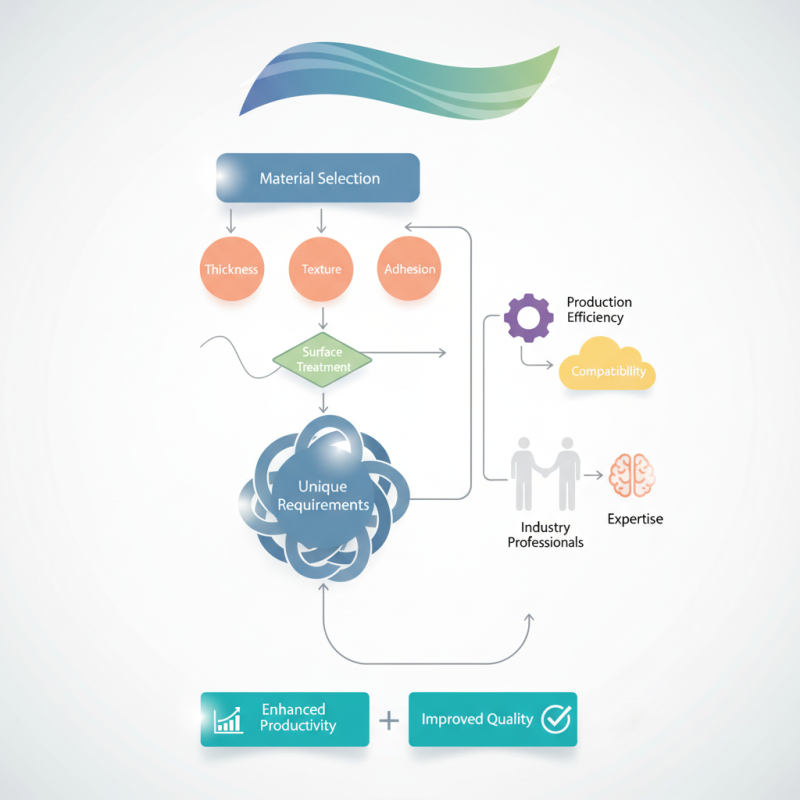
When evaluating PET Release Film, factors like thickness, texture, and adhesion properties matter. A common mistake is underestimating the film's impact on production efficiency. Many users overlook the importance of surface treatments, which can affect performance. Reflecting on your unique requirements will lead to better choices.
Understanding the specifications can be overwhelming. Expertise in this field is essential for making the right decision. Many people fail to ask about compatibility with their processes. By engaging with industry professionals, you gain valuable insights that improve your selection. Ultimately, a well-informed choice can enhance productivity and quality in your projects.
Understanding PET Release Film and Its Applications
PET release film is a versatile product widely used in various industries. It provides a non-stick surface that allows for easy release of adhesives, coatings, and other materials. Applications range from automotive to electronics, packaging to medical devices. This film consists of PET (polyethylene terephthalate) and comes in different formulations to suit specific needs.
Understanding the characteristics of PET release films is crucial. Different coatings and surface treatments affect how well the film releases materials. Some films have low energy surfaces, while others are designed for higher adhesion. It’s essential to evaluate the specific application requirements before making a choice. Consider factors such as temperature resistance, clarity, and durability. Users often encounter issues with adhesion quality. Thus, trials and testing might be necessary to pinpoint the most effective option.
One should also reflect on the environmental impact of PET materials. While PET is recyclable, the production process carries a carbon footprint. Striking a balance between performance and sustainability is essential. Achieving this requires careful material selection. It's important to follow best practices in recycling and disposal to lessen ecological harm.
Key Properties to Consider When Selecting PET Release Film
Choosing the right PET release film involves considering key properties that can impact your project. One primary factor is the film's release value. This property determines how easily the film separates from the adhesive. A lower release value means a stronger bond, which can be beneficial for specific applications. However, if the bond is too strong, it may cause damage during peel-off.
Another important property is the thickness of the film. Thinner films offer flexibility but may not provide adequate protection. Thicker films are sturdier but can be less adaptable. Assessing your project's requirements will guide you in making the right choice.
Tips: Always test the film before final use. This ensures it meets your specific needs. Additionally, consider the surface finish of the film. A smoother finish may enhance the release characteristics for certain adhesives. Balancing these properties can lead to better performance and less frustration during use.
Comparing Different Types of PET Release Films
When selecting PET release films, understanding the various types available is crucial. Different films cater to specific applications. For instance, some are more suited for high-temperature environments, while others excel in low-tack adhesive systems. This variation can significantly affect your results, so knowing your needs is vital.
One main category is silicone-coated films. They provide excellent release properties but can be costly. Another option is acrylic-coated films, which are versatile but may not perform as well under extreme conditions. Additionally, there are non-silicone release options, often used for eco-friendly products. However, these alternatives might not offer the same consistency in performance.
While these distinctions are helpful, real-world testing remains essential. Environmental conditions, adhesive types, and application methods can affect performance. It's worth considering cost versus effectiveness as well. Reflecting on your specific needs will guide better decisions. Each project's requirements might lead you to different choices, so patience in the selection process can be beneficial.
Evaluating Thickness and Surface Texture in PET Release Film
When selecting a PET release film, evaluating its thickness and surface texture is crucial. The thickness of a film often determines its durability and flexibility. Thicker films can resist tearing and punctures, making them ideal for demanding applications. However, they may also affect the ease of use. Thinner films are more lightweight but might not provide the same level of protection.
Surface texture plays an equally important role. A smooth surface allows for easy release, reducing the risk of damage to adhered materials. Conversely, a textured surface can enhance grip and improve adhesion in specific applications. The right balance between these features will depend on your individual needs.
Consider your production process carefully. An unsuitable thickness can lead to handling issues, while the wrong texture may result in product failure. Testing various combinations can be time-consuming but is essential for optimal results. Each choice shapes the final outcome, making thoughtful evaluation paramount. Every application is unique.
Application-Specific Guidelines for Choosing PET Release Film
Choosing the right PET release film involves understanding specific applications. Various industries utilize PET release films, including automotive, electronics, and food packaging. According to a 2022 market report, the demand for PET films is projected to grow at a CAGR of 5.2% through 2027. This growth highlights the importance of selecting PET release film tailored to particular needs.
When considering PET release films, factors like coating type and surface finish are crucial. For example, films with silicone coatings work well in applications requiring high release performance. Conversely, non-silicone options may suit projects with lower release demands. Many users overlook this detail, leading to subpar results. A survey indicated that 30% of industries experienced issues due to inadequate release film selection.
Compatibility with substrates cannot be ignored. Different substrates may require distinct film characteristics. Testing the film on the final substrate early in the process is vital. This often gets missed, causing potential delays or product failures. Understanding how the film interacts with various materials helps ensure that production runs smoothly.
How to Choose the Best PET Release Film for Your Needs?
| Application | Film Thickness (µm) | Release Force (g/cm) | Temperature Resistance (°C) | Key Features |
| Food Packaging | 50 | 10 | -20 to 80 | High clarity, FDA compliant |
| Electronics | 25 | 15 | -40 to 120 | Static dissipative, high transparency |
| Labeling | 75 | 20 | -10 to 90 | Easy release, print-friendly |
| Industrial Applications | 100 | 25 | -20 to 150 | Durable, resistant to chemicals |
| Medical Devices | 40 | 5 | -10 to 70 | Biocompatible, sterilizable |