2026 How to Choose the Best Plastic Dip Molding Process?
In the realm of manufacturing, choosing the right process is crucial. Among various options, plastic dip molding stands out for its versatility. This method offers unique advantages in creating custom parts while maintaining consistency. It generates products with a smooth finish and precise dimensions. However, the selection process isn’t always straightforward.
Many factors influence the effectiveness of plastic dip molding. One must consider material types, part designs, and production volume. Each of these elements can significantly impact the quality and cost of the final product. Prospective users should evaluate their specific needs carefully. Gathering insights from experienced professionals can aid in making informed decisions.
Additionally, it’s essential to acknowledge the challenges within plastic dip molding. Some processes may require fine-tuning to achieve optimal results. Mistakes can lead to wastage or defects, prompting a need for reflection and improvement. By carefully weighing options and considering expert advice, manufacturers can optimize their plastic dip molding choices.
What is Plastic Dip Molding and Its Applications?
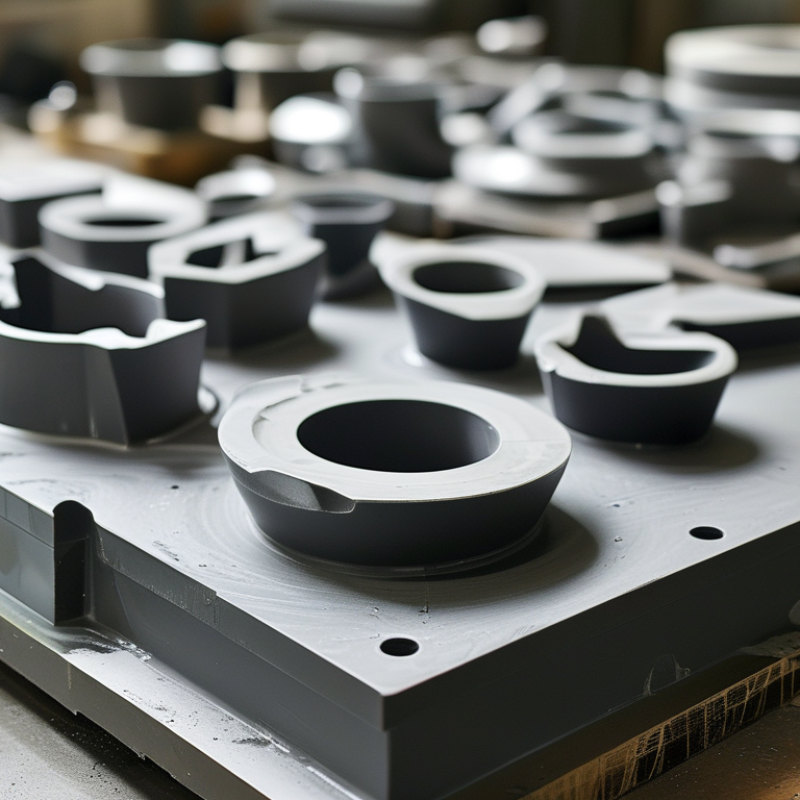
Plastic dip molding is a versatile manufacturing technique used in various industries. This process involves heating a thermoplastic material and dipping a mold into it, which then solidifies upon cooling. Industries use plastic dip molding for applications like protective coatings, insulation, and creating durable parts. According to industry reports, the global dip molding market is projected to grow significantly, reaching $1.2 billion by 2026.
One of the key benefits of plastic dip molding is its ability to produce highly durable and flexible parts. These parts can withstand harsh environmental conditions, making them suitable for automotive and industrial components. In a survey conducted by the American Society of Plastics Engineers, about 70% of manufacturers reported using dip molded products due to their excellent abrasion resistance. However, adopting this process does come with challenges. Factors like mold design and material type can lead to imperfections in the final product, necessitating careful planning.
Determining the right applications for dip molding requires industry expertise. For instance, while it excels in creating non-slip handles, manufacturers must consider potential limitations, such as the thickness of the coating. Proper material selection is paramount, as using the wrong type can lead to unsatisfactory results. Such complexities highlight the importance of thorough research and development in the plastic dip molding process.
Understanding Different Types of Plastic Dip Molding Processes
Understanding different types of plastic dip molding processes can help you make informed decisions. This technique is used to create a variety of rubber-like products. The process is versatile and suitable for complex shapes. There are mainly two types: immersion and spray dip molding. Each has its own advantages, depending on the desired finish and production scale.
Immersion dip molding involves submerging a mold into a raw plastic solution. This creates a thick layer on the mold surface. It's ideal for large parts and offers excellent coverage. On the other hand, spray dip molding uses a spray mechanism to apply plastic. This method is faster and allows for precise control. However, the coating may be thinner compared to immersion. Evaluating the project size and detail will aid in choosing the right method.
Consider the desired texture and durability before deciding. A rough texture can enhance grip but may be harder to clean. A smooth finish looks appealing but can be slippery. Always ask for samples if possible. Trying different techniques will refine your approach. Reflect on these aspects to improve your final product. Each molding process has strengths and weaknesses that depend on your specific needs.
Key Factors to Consider When Choosing a Plastic Dip Molding Process
When selecting a plastic dip molding process, several key factors demand attention. Material selection is critical. Different plastics have unique properties. Each property impacts durability, flexibility, and application suitability. Understanding the specific needs of your project can guide this choice effectively. Consider how the material behaves under various environmental conditions.
Next, analyze the desired production volume. Low-volume projects might benefit from different techniques compared to high-volume runs. Sometimes, a process suited for mass production won't translate well for smaller batches. It’s a balance between cost and efficiency. The molding method should align with your project’s scale to ensure economic viability.
Quality control is another aspect needing careful evaluation. It is essential to ensure each batch meets the required specifications. This includes consistent thickness and surface finish. Finding a process that maintains quality without sacrificing production speed can be challenging. Reflecting on past projects may reveal insights about potential pitfalls.
2026 How to Choose the Best Plastic Dip Molding Process? - Key Factors to Consider When Choosing a Plastic Dip Molding Process
| Factor |
Description |
Impact on Process |
Importance Level |
| Material Type |
The kind of plastic used for molding. |
Affects durability, flexibility, and cost. |
High |
| Molding Technique |
The specific method of dip molding used. |
Influences production speed and finish quality. |
Medium |
| Temperature Control |
Management of temperature during the dip process. |
Crucial for achieving optimal material properties. |
High |
| Drying Time |
The period required for the molded parts to cure. |
Affects production efficiency and delivery time. |
Medium |
| Cost Consideration |
Total expenses involved in the molding process. |
Directly influences budget and pricing strategy. |
High |
| Prototype Testing |
Evaluating a sample mold before mass production. |
Helps identify issues and improve design. |
Medium |
Comparison of Plastic Dip Molding with Other Molding Techniques
Plastic dip molding is a unique technique among various molding processes. Its flexibility allows for the creation of complex shapes while maintaining a smooth finish. Compared to injection molding, plastic dip molding has lower production costs, especially for low-volume runs. The cycle time for dip molding is longer, but it compensates with less material waste. Reports indicate that dip molding can save up to 30% on material costs compared to injection molding for specific applications.
Blow molding, another prevalent technique, is typically faster than dip molding but offers limited design flexibility. It excels in producing hollow forms, yet achieving intricate details might pose challenges. Recent industry studies suggest that blow molding has seen growth rates averaging 5% annually. However, when it comes to customized parts, dip molding starts to shine due to its capability to handle varied thicknesses and textures more effectively.
Thermoforming also presents its pros and cons. It allows for rapid prototypes but often lacks the durability offered by dip molding products. A 2022 market analysis highlighted that thermoforming often leads to higher scrap rates, which can be detrimental for cost-sensitive projects. Ultimately, selecting the right molding process requires careful consideration of each method's strengths and weaknesses, tailored to the project's specific needs.
Comparison of Plastic Dip Molding with Other Molding Techniques
Tips for Selecting the Right Manufacturer for Plastic Dip Molding services
Choosing the right manufacturer for plastic dip molding services is crucial. Start by assessing their experience. A manufacturer with years in the industry is likely to have more refined skills. Check their portfolio for examples of past projects. This will give you insights into their capabilities.
Communication is essential in any partnership. Ensure that the manufacturer is open to discussions about your requirements. Ask how they handle feedback and changes. Flexibility and responsiveness can make a significant difference in the production process. Look for reviews or testimonials from past clients. These can provide a clearer picture of their reliability.
Consider their quality control measures. A good manufacturer will have stringent processes in place to ensure consistency. Additionally, think about their location. Proximity can reduce shipping times and costs. However, the best quality may sometimes come from further away. Balance these factors carefully to find a partner that suits your needs.