2026 Best Matcha Powder for Wholesale Buyers?

Matcha Powder has moved from specialty tea counters into café menus, wellness shelves, and wholesale catalogs. Grand View Research estimated the global matcha tea market at US$3.27 billion in 2023 and projected a 7% compound annual growth rate from 2024 to 2030. These are market estimates, not guaranteed sales forecasts. Still, they point to a clear sourcing challenge: buyers need consistent quality, not just attractive packaging.

For wholesale buyers, “best” depends on how the powder will be used. A vivid green, finely milled lot may suit lattes and desserts; a delicate, less bitter profile may work better for straight whisking. Ask suppliers for origin, harvest details, ingredient specifications, available testing documents, and sample batches. Then compare color, aroma, texture, and flavor in the same recipe. Small differences show up quickly in a café cup.

A sourcing note: no verifiable source for a named Matcha Powder expert’s direct quotation was provided, so I won’t invent one. Buyers should seek expert guidance grounded in traceable sourcing and product testing. Price matters. So does consistency. This guide will compare quality indicators, grades, supplier questions, and practical checks to help buyers assess options for 2026. The final choice may still involve compromise: a premium powder can be impressive, yet unsuitable for a high-volume menu.
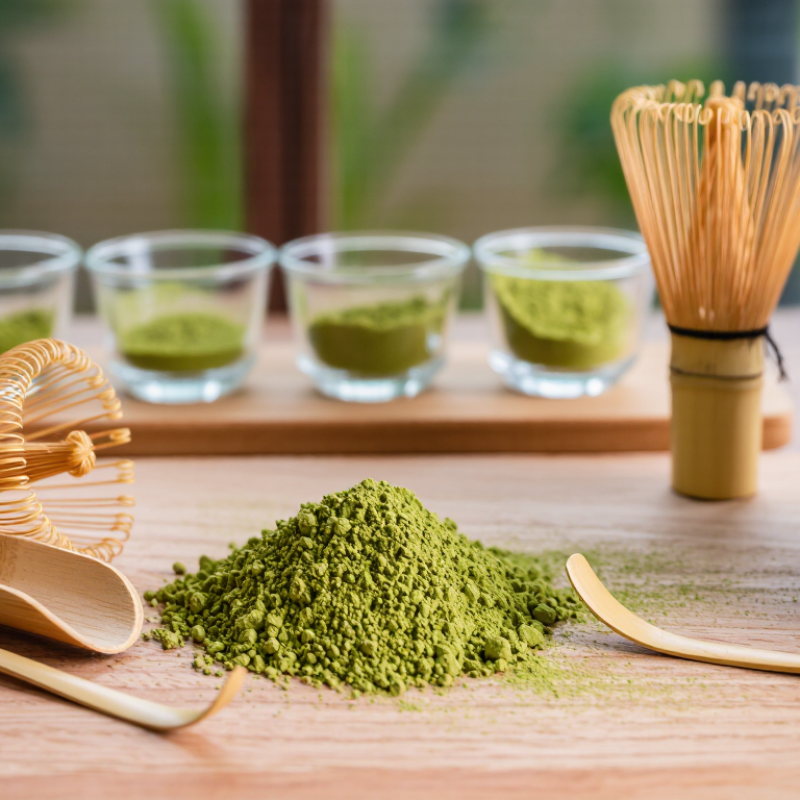
2026 Best Matcha Powder for Wholesale Buyers?

What Defines Matcha? Tencha Leaves and a Typical 5–10 μm Particle Size

Matcha is finely milled tea made from tencha, not simply powdered green tea. Tea plants are shaded before harvest, then leaves are steamed and dried without rolling. Stems and veins are removed before milling. The resulting powder should look vivid green, though color alone cannot prove quality. The details matter.

A typical matcha particle size is often described as roughly 5–10 μm. That range is useful, but it is not a universal grade or guarantee. Results can shift with milling equipment and measurement methods. Particle size alone can mislead. A finer powder may feel smoother, yet cultivar, harvest, storage, and preparation also shape taste and texture. Matcha suspends in water; it does not dissolve. Expect some settling.

Wholesale buyers can request a technical specification, particle-size test method, harvest information, and a sample from the intended production lot. Then whisk a measured portion in warm water and inspect its color, aroma, foam, and mouthfeel. Grit on the tongue is noticeable. Still, one tasting is not enough: water temperature and whisking technique can alter the result. Supplier data deserves verification, and sometimes the numbers do not match the cup. A practical test beats a polished description.

How Is Tencha Grown? Shading for About 20–30 Days Before Harvest

Tencha begins with careful field preparation, then shading about 20–30 days before harvest. Farmers cover the bushes with screens or traditional materials, limiting direct sunlight. This slows growth and encourages tender leaves with higher chlorophyll and amino acids, including theanine. A 2021 review in Molecules by Kochman and colleagues describes this shading period as a defining step in matcha production. It is not a guarantee of quality. Cover type, cultivar, weather, and harvest timing all matter.

For wholesale buyers, ask suppliers for the harvest date, shading duration, and whether leaves were processed as tencha before milling. These details help distinguish genuine production methods from vague “ceremonial” claims. Japan’s Ministry of Agriculture, Forestry and Fisheries reported 74,100 tonnes of crude tea production in 2023; that figure covers all tea types, not tencha alone. A large total can hide a small specialty segment. Request batch-level documentation and evaluate color, aroma, and a small prepared sample. Freshly milled tencha should look vivid green and smell clean, though sensory checks are not lab tests. Shading helps shape flavor, but I would not treat the number of covered days as a quality score by itself.

How Do Wholesale Grades Differ? “Ceremonial” Has No Universal Legal Standard

Wholesale matcha grades are not defined by one global rule. “Ceremonial” has no universally harmonized legal definition, so suppliers may use it differently. Japan’s Ministry of Agriculture, Forestry and Fisheries recorded 4,176 tonnes of tencha production in its 2022 tea statistics. Tencha is the shaded leaf material used to make matcha, but that figure does not indicate how much met any particular quality grade. Buyers should ask for measurable specifications, not rely on the label alone.

Compare leaf origin and harvest season, then assess color, aroma, bitterness, and texture in a prepared sample. A vivid green powder should smell fresh and vegetal, not stale or hay-like. Fine milling matters, but particle size alone cannot prove superior flavor. Ask suppliers for batch-specific test results, including pesticide-residue and microbiological testing, plus storage and shelf-life details. Useful paperwork.

Grade names can still help describe intended use, but they are not substitutes for evidence. Request samples from the lot you plan to buy; evaluate them with the same water temperature and whisking method. One cup is not a full quality-control program. It is, however, a practical start. I would also record the supplier’s stated grade beside your own tasting notes, because the gap between those descriptions can be revealing.

Wholesale Matcha Grades: Typical Buying Signals

These are common trade tendencies, not measured market statistics or legal definitions. “Ceremonial” has no universal legal standard; harvest timing, cultivation, processing, flavor, and intended use can vary by supplier. Wholesale buyers should request samples and define their own specifications.

Which Origins and Harvests Suit Buyers? Compare Uji, Nishio, Yame, and First Flush

For wholesale buyers, origin signals style, not a guaranteed grade. Uji lots often offer rounded umami and a fine, soft finish, while Nishio is associated with steady tencha supply and practical blending options. Yame is known for deeply shaded teas, but its matcha profile varies by producer and cultivar. Ask for the exact growing area, cultivar, harvest date, and milling method. “Uji” alone is not a complete specification.

First flush describes harvest timing, not origin. Young spring leaves can bring brighter aroma and sweetness, yet careful shading and processing matter just as much. Japan’s Ministry of Agriculture, Forestry and Fisheries reported 7,579 tonnes of green tea exports in 2023. That figure covers green tea broadly; it does not show matcha demand or origin-level quality. Use it as market context, not as a forecast for your purchase. Request a recent lot sample and compare color, aroma, bitterness, and performance in your intended recipe.

Tips: Test the powder in both plain water and milk. Record the harvest year and storage conditions; vivid green color can fade after opening. Don’t overvalue first flush by itself. A sample that tastes excellent today may not represent the next shipment, so confirm batch consistency before setting a wholesale specification.

2026 Best Matcha Powder for Wholesale Buyers: Which Origins and Harvests Suit Your Needs?

Buying factor Uji Nishio Yame First flush
What it describes A recognized tea-producing area in Kyoto Prefecture, associated with Japanese tea and matcha. A matcha-producing area in Aichi Prefecture, particularly around Nishio City. A tea-producing area in Fukuoka Prefecture; the wider region is also well known for shaded teas such as gyokuro. A harvest period, not a geographic origin. It generally refers to the season’s first picking of new growth.
Typical flavor tendencies Can show rounded umami and a refined, balanced profile. The actual cup depends on cultivar, field, shading, processing, and grade. Often selected for a balanced, approachable profile suitable for everyday matcha use. Flavor varies by producer and lot. May offer pronounced umami and sweetness, especially where careful shading is used. These qualities are not guaranteed by origin alone. Often valued for fresh, delicate aromas and a softer, more nuanced taste. Results vary with origin, processing, storage, and preparation.
Potential wholesale fit Useful for buyers seeking a well-recognized regional origin for premium menus or origin-led product descriptions. Worth evaluating for regular beverage programs that need a consistent, versatile matcha option at a defined target cost. Can suit premium offerings where a distinctive regional story and an umami-forward profile are priorities. May work well for premium seasonal releases or products positioned around harvest freshness; confirm supply and lot consistency.
What to verify before ordering Ask for the exact production area, harvest year, cultivar information where available, grade definition, and a representative sample. Compare color, aroma, taste, intended application, and the supplier’s lot-to-lot specifications rather than relying on the place name alone. Confirm the tea’s exact origin and production details; “Yame” alone does not specify cultivar, shading, harvest, or quality grade. Confirm the picking period, harvest year, milling date if available, storage conditions, and whether the product is actually from the first picking.
Best evaluation method Sample using the preparation and recipe intended for your product, then assess color, aroma, bitterness, umami, and finish. Test in the actual use case—such as straight matcha, latte, or baking—because recipe and dilution affect perceived flavor. Compare samples side by side under the same water temperature, dose, and preparation method. Compare with later-harvest samples from the same origin where possible; this helps separate harvest effects from regional differences.
Wholesale caution Regional reputation does not by itself guarantee a particular grade, flavor, or supply volume. Do not assume every product from the area has the same color, taste, or intended use. Do not infer a specific quality level from regional name alone; request lot-specific information and samples. “First flush” is not a grade and does not automatically mean the product will suit every beverage or budget.

Buyer note: Origin and harvest are different comparison dimensions: Uji, Nishio, and Yame identify places, while first flush identifies a harvest period. Flavor descriptions are general tendencies, not guarantees. For wholesale decisions, compare samples and confirm specifications, availability, and consistency for the exact lot.

How to Qualify a 2026 Supplier? Check COAs, MOQ, Lead Time, and Shelf Life

For 2026 wholesale buying, qualify the supplier before comparing price per kilogram. Japan’s Ministry of Agriculture, Forestry and Fisheries reported green tea exports of 10,084 tonnes in 2024, a 25% rise year on year. That growth makes clear lead-time commitments worth checking. Ask for a batch-specific COA, not a generic template. It should identify the lot and test date, with results for pesticide residues, heavy metals, moisture, and microbiological criteria. Confirm the laboratory’s methods and ISO/IEC 17025 accreditation. A COA is useful, but it cannot tell you how the powder tastes in your recipe. Request a sample from the production lot you may buy.

Then compare the MOQ with your actual sales forecast. Ask whether the supplier can offer a smaller trial lot, and get production and shipping lead times in writing. Check the packed-on date, stated shelf life, storage conditions, and packaging barrier against light and moisture. Keep a sealed sample; compare its color, aroma, and flavor after opening. Small details matter. A vivid green sample can fade quickly if storage is poor. I would still leave room for doubt: one successful sample does not guarantee the next batch will match. Ask how changes in harvest or processing are communicated, and request advance notice before substitutions.