What is the Best Dip Powder Coating for Global Buyers?
In the competitive landscape of industrial coatings, dip powder coating stands out for its versatility and finish quality. Experts like Dr. Emily Chen emphasize its significance, stating, “Choosing the right dip powder coating can change the way products perform and look.” With global buyers seeking reliable options, understanding the best choices is crucial.
Dip powder coating is gaining momentum across various sectors. It offers durability, aesthetic appeal, and environmental benefits. However, not all coatings are created equal. Buyers must navigate a complex market, often overwhelmed by choices.
Finding the best dip powder coating involves balancing quality and cost. Some products may promise high performance but fall short in practice. This inconsistency can lead to unexpected outcomes. Therefore, informed decisions are essential. Engaging with industry experts and conducting thorough research can help demystify this process.

Understanding Dip Powder Coating: An Overview for Global Buyers
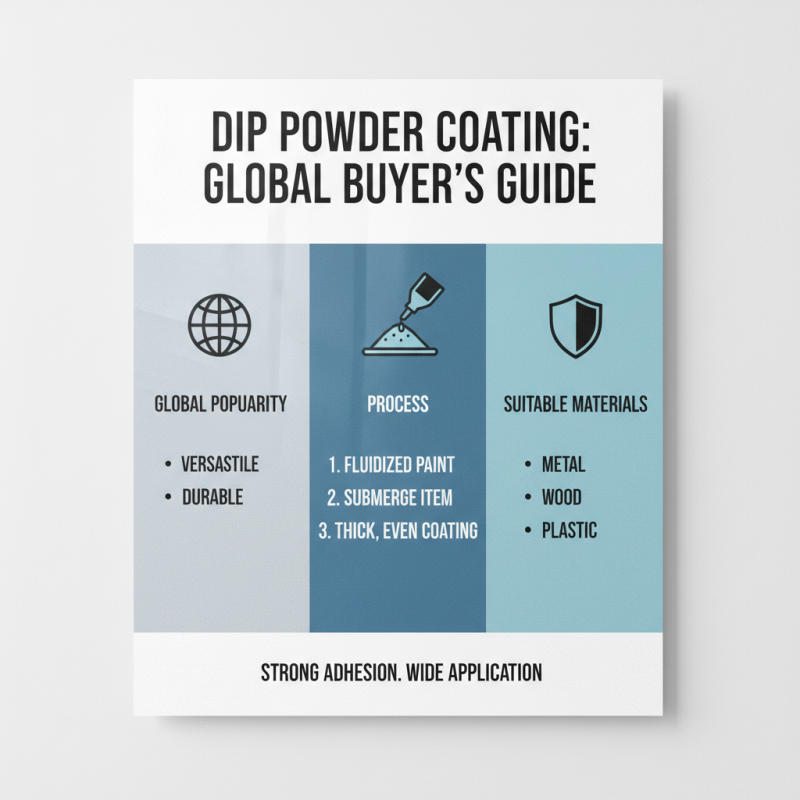
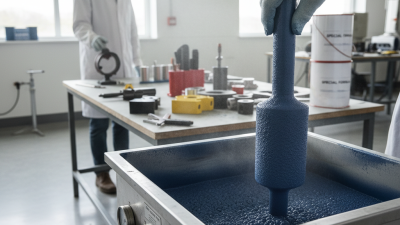
Dip powder coating is gaining popularity worldwide for its versatility and durability. This coating process involves suspending powdered paint in a fluidized state. The item to be coated is immersed in the powder. This method results in an even, thick coating that adheres well to the surface. It is suitable for various materials, including metal, wood, and plastic.
For global buyers, understanding the composition of dip powders is crucial. There are different formulations available, including thermosetting and thermoplastic powders. Each type has distinct properties, affecting finish and performance. Buyers should also consider the environmental impact of the coatings. Choosing eco-friendly options is becoming increasingly important. Understanding regional regulations regarding emissions is essential for compliance.
Buyers often face challenges in selecting the right coating. Some coatings may not perform well in specific environments, leading to premature failure. It’s important to test products before large-scale application. The process may require trial and error to find the best match for specific needs. Engaging with experts can provide valuable insights, enhancing the decision-making process.
Key Factors to Consider When Selecting Dip Powder Coating
When searching for the best dip powder coating, several critical factors come into play. The material's durability is paramount. A good coating needs to withstand abrasions and chemicals, ensuring longevity in various environments. Consider the intended use, whether for automotive parts, industrial machinery, or household items. Each application can demand different properties from the coating.
Another key aspect is the coating's adhesion quality. Poor adhesion can lead to flaking or peeling, which diminishes both aesthetics and protection. Testing adhesion strength under specific conditions can provide insights into its reliability. Additionally, color retention and UV resistance are vital for outdoor applications. A coating should maintain its vibrancy over time, resisting fading from sunlight and weather exposure.
Choosing a dip powder coating also involves evaluating the application process. Some coatings require specialized equipment or conditions to apply effectively. It’s worth reflecting on whether to use in-house resources or partner with experienced professionals. This decision can impact costs and final results. Each choice carries weight in ensuring the coating meets expected performance standards.
Types of Dip Powder Coatings Available in the Market
Dip powder coatings are a popular choice in various industries, providing durability and a high-quality finish. There are several types available, each suited for specific applications. One common type is the thermoplastic dip powder, known for its flexibility and easy application. It is perfect for items that require bending or contorting.
Another option is thermoset dip powder. This type offers superior resistance to heat and chemicals, making it ideal for industrial applications. It cures to a hard finish, providing excellent longevity. However, the process can be more complex and might require specialized equipment.
When choosing a dip powder coating, consider the intended use. Assess the environmental conditions the coated item will face. This will guide you toward the most suitable type. Testing a small batch before full application can help identify any potential issues.
Tips: Always follow safety guidelines while handling these coatings. Ensure proper ventilation to avoid inhalation of fumes. Also, invest time in surface preparation for better adhesion, as this can make a significant difference in the coating’s performance.
Evaluating the Best Dip Powder Coating Brands Globally
As the global demand for dip powder coatings rises, selecting the best brands becomes crucial for manufacturers. Industry reports from reputable market research firms indicate that the dip powder coating market is expected to grow at a CAGR of over 6% from 2023 to 2030. This growth signals an increasing interest from diverse industries, including automotive and consumer goods.
When evaluating dip powder coating brands, criteria like durability, chemical resistance, and application versatility are key. A study revealed that coatings with higher abrasion resistance lead to a significant reduction in maintenance costs. Globally recognized standards highlight the importance of thermal stability and the ability to withstand extreme conditions. However, not all brands consistently meet these standards, highlighting a gap where some products underperform.
It's also essential to consider eco-friendliness. Many buyers now seek coatings that minimize harmful emissions and are sustainable. Yet, this push for greener options sometimes sacrifices performance. Evaluating suppliers based on emission data and compliance with global regulations ensures better product selection. The balance between performance and environmental impact is a challenge many businesses face today.
Application Techniques and Best Practices for Dip Powder Coating
Dip powder coating is a popular technique in various industries. Its application involves several steps that ensure a durable finish. One of the key techniques is surface preparation. Proper cleaning of the substrate is crucial to remove contaminants. This can be achieved through methods like sandblasting or chemical cleaning. Without this step, the powder may not adhere well. It's a common oversight that leads to reduced quality.
After preparing the surface, the actual dip process begins. The object must be fully submerged in the powder, allowing an even coat to form. This requires careful control of time and temperature. Too short a dip may result in a thin layer. Conversely, prolonged immersion could cause runs or sags in the finish. These errors reflect the importance of precision in application.
Post-dipping, the curing step is essential. The coating must be heated to the right temperature for the specified duration. This triggers the chemical reactions necessary for a strong bond. However, achieving perfect curing can be tricky. Overheating can lead to discoloration, while under-curing might result in brittleness. Regular testing can help identify these issues early, ensuring a quality finish every time.
What is the Best Dip Powder Coating for Global Buyers?
This bar chart presents the evaluation criteria for dip powder coating based on factors such as durability, finish quality, cost effectiveness, ease of application, and environmental safety. These criteria help global buyers make informed decisions regarding the best dip powder coatings available in the market.