Choosing dip coating equipment in 2026 is less about buying the largest tank and more about matching the process to the part. A compact benchtop unit may suit short runs of small components. A conveyorized system can help maintain a steady rhythm across higher volumes. Between them sit manual, semi-automatic, and fully automated options, each with different demands for floor space, labor, and process control.
Market context matters, but it needs careful interpretation. Grand View Research’s Paints and Coatings Market Size, Share & Trends Analysis Report estimates the global paints and coatings market at USD 206.56 billion in 2023, with projected annual growth of 4.3% from 2024 to 2030. That report covers the broader coatings market, not dip coating equipment specifically. It cannot predict a buyer’s return on investment. Still, it signals a large and evolving market where finish consistency and production efficiency remain practical concerns.
Look closely at what happens at the tank. Can the rack enter without touching the sides? Does the withdrawal speed stay consistent? A few millimeters can matter. Buyers should compare tank dimensions, lifting capacity, controls, ventilation provisions, cleaning access, and maintenance support against real production requirements. Material viscosity, part geometry, coating thickness, and drying arrangements also shape equipment choice. Automation is not always better. A smaller line may be easier to adjust, while a larger system can introduce complexity that a team has not planned for. This guide compares the main types of dip coating equipment and the trade-offs buyers should examine before specifying a system.
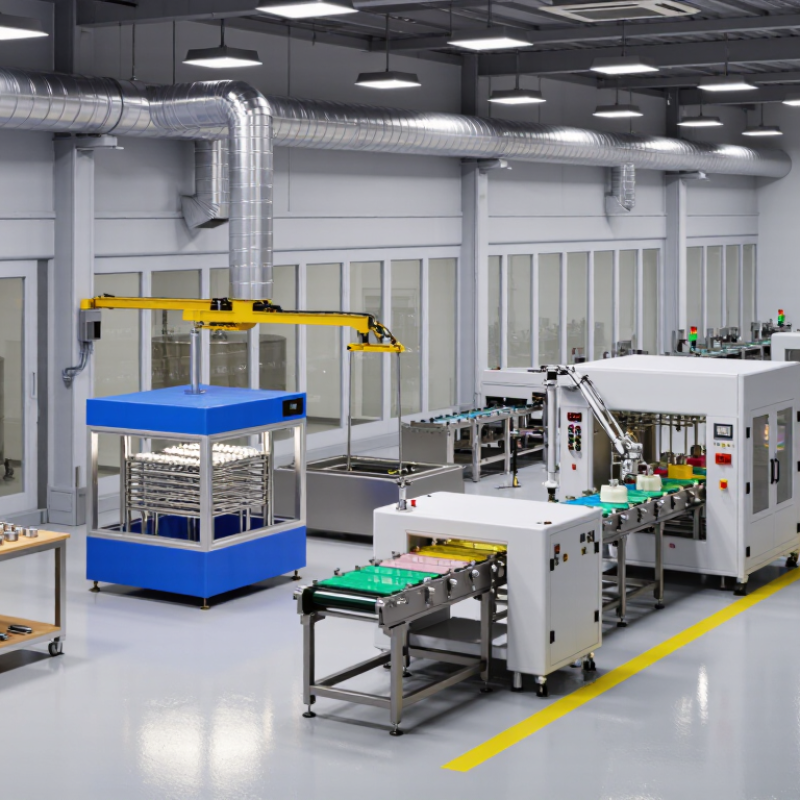
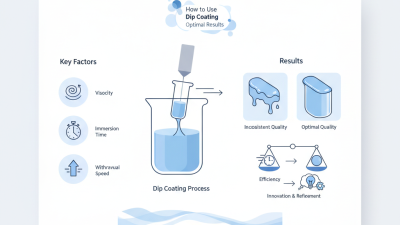
Dip coating equipment moves a workpiece into a liquid coating, holds it for a set time, then withdraws it at a controlled speed. A basic setup includes a coating tank, a rack or hoist, and controls for immersion and withdrawal. Larger lines may add pumps, filters, drying ovens, and conveyors. Each part matters: a stable rack reduces movement, while filtration helps remove particles that could mark the surface.
The process begins with a clean, prepared surface. The part is lowered into the tank until it is fully or partly covered. Hold it there briefly. It is then lifted out, and excess liquid drains back into the tank. Withdrawal speed affects film thickness: moving too quickly can leave runs, while moving too slowly may produce a heavier layer. The coated part then dries or cures under suitable airflow and temperature. Small details count, like the angle of a bracket that traps liquid.
Operators usually inspect coverage, drainage, and cured finish, then adjust the settings if needed. A test piece can reveal problems before a full batch runs. Still, the first adjustment may not fix everything; coating viscosity, part shape, and room conditions also affect results. Equipment selection should match the workpiece size, production volume, and coating behavior, rather than relying on one machine feature alone. No setup is perfect. A short trial often teaches more than a specification sheet.
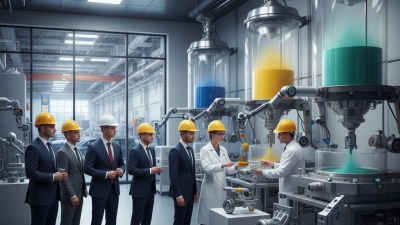
A dip coating system is built around a coating tank, a lifting mechanism, and a workpiece fixture. The tank should suit the part’s dimensions and allow enough clearance to prevent contact with its walls. Temperature control can help keep coating viscosity consistent, while filtration may reduce particles and surface defects. Some coatings do not need heat. Verify this with the material supplier.
The lifting mechanism controls immersion and withdrawal speed, which influence film thickness and drainage. A basic hoist may work for simple parts, but repeatable production often benefits from adjustable speed and dwell settings. Racks or custom fixtures hold parts securely and expose the required surfaces. They also need to drain without trapping pools of liquid. Small details matter.
Supporting components can include a drip tray, bath circulation equipment, sensors, and a separate curing oven. The oven is not always part of the dip coater itself. Its temperature and airflow should match the coating’s requirements, rather than being selected by capacity alone. During equipment trials, record withdrawal speed, bath temperature, and coating viscosity. Real parts can behave differently. A fixture that looks efficient on paper may leave marks or uneven edges, so inspect coated samples before finalizing the setup.
| Equipment Type | Typical System Components | Common Applications | Key Buying Considerations |
|---|---|---|---|
| Manual or Benchtop Dip Coater | Coating tank or beaker, adjustable specimen holder, motorized or manual vertical lift, speed control, drip tray, and optional drying oven. | Laboratory research, coating trials, small components, and low-volume production where operators need to adjust immersion and withdrawal conditions. | Check the usable stroke, withdrawal-speed control, load capacity, tank compatibility, and whether the lift can maintain a repeatable vertical path. |
| Automated Batch Dip Coating System | Process tank, loading fixtures or baskets, programmable hoist, controlled lift axis, drip zone, ventilation, control panel, and one or more curing or drying ovens. | Repeated coating of discrete parts or assemblies, including components that need controlled immersion, withdrawal, and drainage. | Compare batch size, fixture design, number of process tanks, recipe storage, cycle-time requirements, and the accessibility of tanks for cleaning. |
| Conveyorized Continuous Dip Coating Line | Infeed and outfeed conveyors, part carriers, dip tank, controlled immersion and withdrawal section, drainage area, drying or curing oven, exhaust system, and line controls. | High-throughput production of parts that can be conveyed through a consistent coating sequence, such as formed metal parts or selected molded components. | Confirm that conveyor speed, part spacing, tank dimensions, drainage time, and oven capacity match the required production rate and coating cure schedule. |
| Reel-to-Reel Dip Coating System | Payoff reel, web-tension controls, guide rollers, dip bath, metering or drainage section, drying oven, take-up reel, and process monitoring controls. | Continuous coating of wire, cable, strip, or other flexible materials supplied from a roll. | Evaluate web width, line speed, tension range, coating-bath stability, edge control, and oven length. The substrate and coating must tolerate the selected handling and cure conditions. |
| Dip-Spin Coating Machine | Loading basket, coating vessel, immersion mechanism, spin basket or centrifuge, programmable cycle controls, coating recovery area, and optional drying or curing oven. | Small bulk parts, such as fasteners, where dipping applies the coating and spinning helps remove excess material and reduce pooling. | Check the basket capacity, part geometry, risk of parts nesting or damage, coating recovery arrangement, and compatibility with the coating’s drainage and curing requirements. |
| Multi-Stage Dip Coating Line | A sequence of process tanks for cleaning, rinsing, surface treatment, coating, or other required steps; transfer hoist or conveyor; drip zones; ventilation; and drying or curing equipment. | Parts requiring more than one liquid-processing stage before or after coating, especially when surface preparation and rinsing are part of the approved process. | Specify the required process sequence, tank segregation, carryover control, chemical compatibility, wastewater arrangements, and space for safe maintenance. |
| Components Common to Many Systems | Coating tank, part holders, immersion and withdrawal mechanism, drip containment, controls, ventilation where required, and a drying or curing area when specified by the coating process. | Core functions include holding the liquid coating, moving parts at controlled and repeatable speeds, managing drainage, and supporting any required post-coating treatment. | Select wetted materials, seals, and tank construction for the specific coating chemistry and operating conditions. Confirm safety, ventilation, and curing requirements with the coating supplier and applicable regulations. |
Equipment configurations vary by coating chemistry, part geometry, production volume, and required finish. Treat the listed components as typical options and verify process requirements before purchase.
Dip coating equipment generally falls into manual, semi-automatic, and fully automatic systems. A manual setup may use a small tank, a hand-operated lifting frame, and a timer. It suits prototypes or short production runs, where operators can inspect each part. The trade-off is variation: dipping speed and dwell time can change between shifts. Small changes matter.
Semi-automatic equipment controls key movements while an operator loads and unloads parts. A programmed lift can lower a rack into the tank and withdraw it at a set speed. This helps produce more consistent films on items such as metal fittings or molded components. Check the tank size, rack clearance, and drainage area before choosing one. Awkward parts can still drip unevenly.
Fully automatic systems may use indexed fixtures, conveyors, or robotic handling to move parts through dipping and draining stages. They are suited to higher volumes and repeatable workflows, but require careful setup. Tank replenishment, ventilation, cleaning access, and line speed all affect performance. A system that looks efficient on paper may not fit the actual part shape. Test representative parts when possible, and record coating thickness, withdrawal speed, and drying conditions. Not every production line needs automation.
Manual benchtop dip coaters suit prototypes, small batches, and fragile parts. Operators control immersion speed and dwell time, useful when testing ceramic slips, inks, or thin polymer solutions. But results can vary with operator technique. Small batches need control. For repeatable laboratory work, programmable vertical systems set withdrawal speed, immersion depth, and pause time. These controls help manage film thickness on glass slides, metal coupons, and porous substrates. High-viscosity materials may drain unevenly, so test the actual formulation before choosing a machine.
For larger output, continuous dip lines can process wire, fabric, or regularly shaped components with fewer handling steps. Robotic or multi-axis systems better serve complex parts, where angle and drainage path affect coverage. They also need more setup and maintenance.
NACE International’s 2016 IMPACT study estimated corrosion costs at US$2.5 trillion annually, or 3.4% of global GDP.
That figure does not measure dip-coating demand, but it highlights why protective-film consistency matters. Buyers should compare tank capacity, extraction, temperature control, and cleaning time against material behavior and batch size. A detail often missed: the best system on paper may struggle with a changing formulation. Test representative parts, then review coating thickness and defects before scaling production.
Choosing dip coating equipment in 2026 starts with the part, not the machine catalog. Record the largest and smallest workpiece dimensions, target coating thickness, and expected daily volume. Then check usable tank depth, withdrawal height, and loading clearance.
Small details matter. A tall part may need a longer lift stroke, while a narrow tank can restrict fixture movement. Ask for a trial with your actual substrate and coating material; sample panels may hide edge defects.
Compare motion control next. Consistent withdrawal speed and repeatable dwell time can help reduce runs, drips, and thickness variation. Check the speed range, controller settings, and whether operators can save repeatable recipes.
Also review temperature control, ventilation provisions, and wetted-part compatibility with the intended liquid. More automation is not always better; a simpler setup may suit short, changing batches.
Ownership costs deserve equal attention. Compare cleaning time, consumables, maintenance access, operator training, and service availability—not just purchase price. Request clear capacity and repeatability specifications, plus a written scope for installation and testing.
A quote can look precise while leaving fixture changes or ventilation needs unclear. That gap is worth questioning. Leave room for a second trial; one good sample does not settle every production question.