2025 Top Slip Resistant Coatings: What You Need to Know for Safety
In the pursuit of safer environments, particularly in high-traffic areas, the importance of slip resistant coatings cannot be overstated. These specialized coatings are designed to enhance the traction of surfaces, significantly reducing the risk of slips and falls. According to Dr. Emily Carter, a leading expert in surface safety and slip resistant coatings, "Investing in high-quality slip resistant coatings is key to preventing accidents and ensuring the safety of both employees and visitors."
As we approach 2025, understanding the advancements and options available in the slip resistant coating industry becomes increasingly relevant. With innovations ranging from improved materials to enhanced application techniques, property managers and safety officers must stay informed to make the best choices for their facilities. The right slip resistant coating not only complies with safety regulations but also adapts to specific environmental conditions, providing long-lasting protection against slips.
In this guide, we will explore the top slip resistant coatings projected for 2025, discussing their features, benefits, and best applications. With a focus on safety and performance, individuals and organizations alike can find the right solutions to keep their spaces secure and functional.
Understanding Slip Resistant Coatings: A Comprehensive Overview
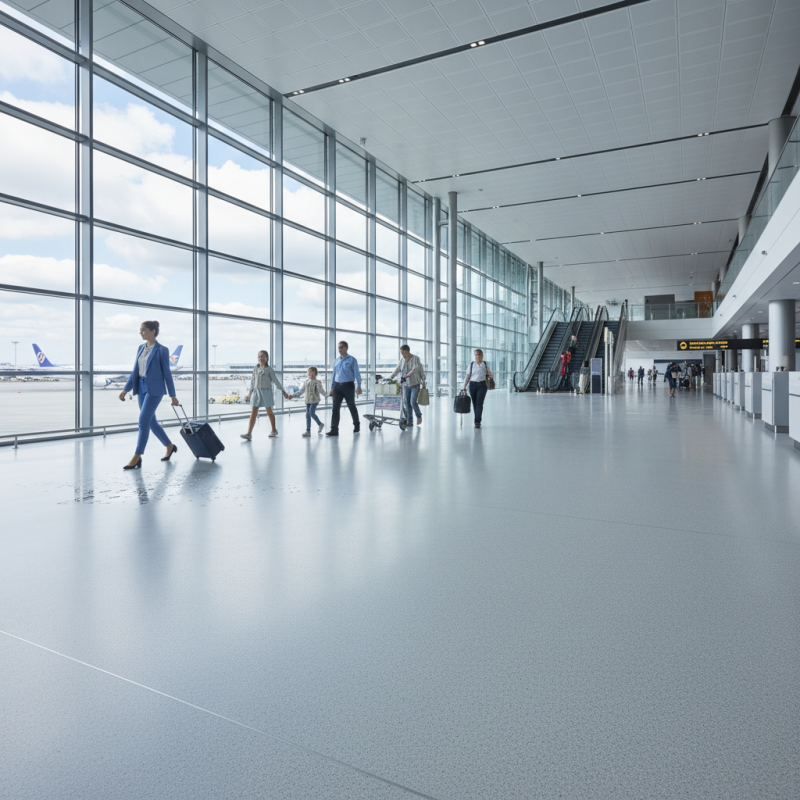
Slip resistant coatings are critical in enhancing safety across a variety of surfaces, particularly in environments prone to spills and moisture. These coatings are specially formulated to increase friction between surfaces, thus reducing the likelihood of slips and falls. According to the National Safety Council, slip and fall accidents account for over 25,000 injuries annually in workplaces alone, highlighting the necessity of implementing effective safety measures.
The efficacy of slip resistant coatings can be quantified through industry testing standards. For instance, coatings are often evaluated using the dynamic coefficient of friction (DCOF) method, with a minimum rating of 0.42 recommended for wet surfaces. A report from the American Society for Testing and Materials (ASTM) indicates that surfaces treated with slip resistant coatings can achieve up to 60% higher friction levels than untreated surfaces. Additionally, many modern formulations contain additives that enhance durability and maintain slip resistance even in high-traffic areas, ensuring a long-lasting solution for safety.
Adopting slip resistant coatings not only safeguards individuals but can also significantly reduce liability costs for businesses. A study from the Journal of Safety Research found that workplaces implementing slip resistant measures observed a 30% decrease in accidents related to falls. As industries evolve, the demand for effective slip resistant solutions only grows, making it essential for stakeholders to stay informed about the latest innovations and standards in slip resistant coatings.
Key Features to Look for in Slip Resistant Coatings
When selecting slip resistant coatings for various surfaces, several key features should be prioritized to enhance safety. First and foremost, the coefficient of friction (COF) is critical. According to the American National Standards Institute (ANSI), a COF of 0.5 or higher is recommended for wet surfaces to minimize slipping risks. Additionally, texture plays an important role; coatings with a rougher surface generally provide better grip. A study published by the National Floor Safety Institute indicated that textured surfaces can reduce slip incidents by up to 70%.
Another feature to consider is the durability and maintenance of the coating. It's crucial to choose a coating that can withstand heavy foot traffic and resist degradation over time. For instance, coatings that include UV protection can help maintain their slip resistant properties in outdoor environments. Regular maintenance is also essential; coatings with easy-wash properties can be maintained effectively without compromising their slip resistant qualities.
**Tips:** To ensure optimal performance, always select a slip resistant coating that matches the specific environment and expected usage. Regularly assess the condition of your coating’s surface and reapply as necessary to maintain effectiveness. Furthermore, choosing coatings with anti-slip additives can enhance the overall safety of the product, providing an extra layer of protection against slips and falls.
2025 Top Slip Resistant Coatings: Key Features Comparison
Types of Slip Resistant Coatings Available in 2025
In 2025, the market for slip-resistant coatings has expanded to include several innovative types designed to enhance safety in various environments. One of the most popular types is polyurethane coatings, which offer excellent durability and flexibility. These coatings can be applied to various surfaces, including concrete and wood, and are particularly effective in areas prone to moisture or spills, such as kitchens and bathrooms. Their ability to resist wear and tear while maintaining a textured surface makes them a top choice for both residential and commercial applications.
Another noteworthy option is epoxy-based coatings, renowned for their strength and chemical resistance. These coatings form a hard and protective layer that can withstand heavy foot traffic and harsh cleaning agents. They are commonly utilized in industrial settings, warehouses, and garages, where safety and longevity are paramount. Additionally, they can be customized in terms of color and texture, providing both aesthetic appeal and functionality. As slip-resistant technology continues to evolve, users can expect enhanced surface treatments that not only improve traction but also contribute to overall safety in diverse environments.
Application Areas: Where Slip Resistant Coatings are Essential
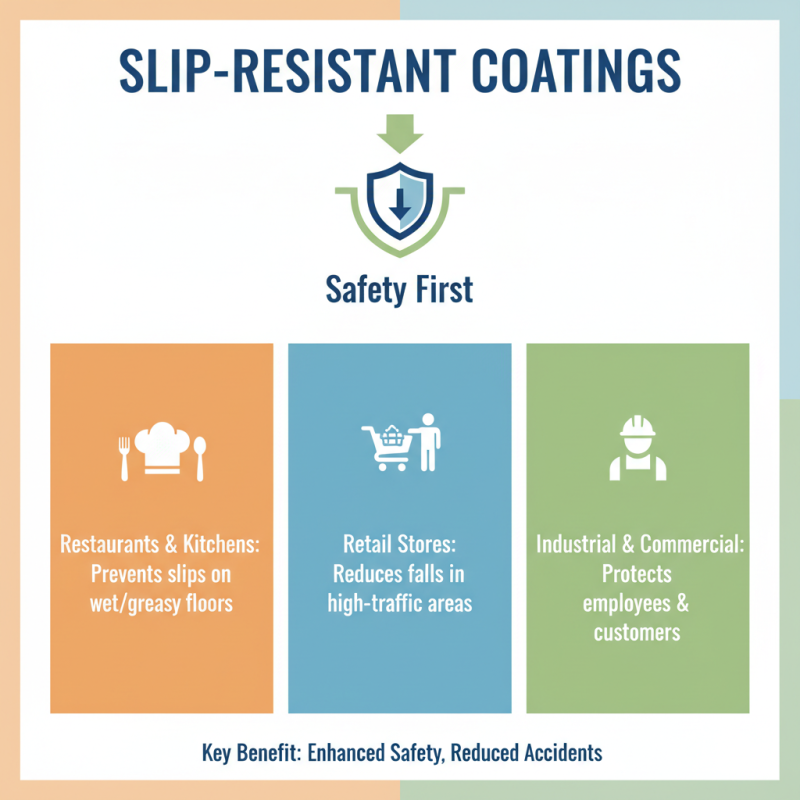
Slip resistant coatings are critical in a variety of application areas where safety is not just a priority, but a necessity. One of the most prominent spaces requiring such coatings is in commercial environments, particularly in restaurants, kitchens, and retail stores. Wet or greasy surfaces can create slippery conditions, leading to accidents. By applying slip resistant coatings to floors and walkways, businesses can significantly reduce the risk of slips and falls, thereby protecting both employees and customers.
Another key application area for slip resistant coatings is in industrial settings. Factories and warehouses often feature heavy machinery and high-traffic zones that may become hazardous due to spills or debris. Implementing these coatings on equipment, loading docks, and high-traffic areas can enhance workplace safety and improve operational efficiency. Additionally, outdoor spaces such as swimming pools, patios, and playgrounds also benefit from slip resistant coatings to prevent accidents in wet conditions, ensuring a safer environment for all users. Investing in these coatings is essential for maintaining safety and compliance across various sectors.
Safety Benefits of Using Slip Resistant Coatings in Various Environments
Slip resistant coatings are essential in enhancing safety across various environments, from commercial kitchens to healthcare facilities. According to the National Safety Council, falls account for over 8 million emergency room visits annually, highlighting the critical need for effective slip prevention measures. The application of slip resistant coatings can significantly reduce this risk by providing a textured surface that enhances grip, even in wet or oily conditions. A study by the American National Standards Institute indicated that surfaces treated with appropriate slip resistant coatings can increase traction by up to 50%, effectively minimizing the likelihood of accidental slips and falls.
In industrial settings, the importance of slip resistant coatings cannot be overstated. The Bureau of Labor Statistics reports that slip and trip incidents are among the leading causes of workplace injuries, costing employers billions annually in lost productivity and medical expenses. By integrating high-quality slip resistant coatings on flooring and walkways, employers can create safer working environments, ultimately contributing to reduced liability and improved employee morale. Furthermore, in retail and hospitality environments, these coatings enhance customer safety, which can lead to increased foot traffic and business performance. Implementing slip resistant coatings is not just a safety measure; it is a proactive investment in the well-being of employees and customers alike.
2025 Top Slip Resistant Coatings: What You Need to Know for Safety
| Coating Type |
Safety Rating |
Application Areas |
Durability |
Maintenance Level |
| Acrylic Coating |
High |
Residential, Commercial Floors |
3-5 years |
Low |
| Polyurethane Coating |
Very High |
Industrial, Warehouses |
5-10 years |
Medium |
| Epoxy Coating |
High |
Commercial Kitchens, Garages |
5-7 years |
Medium |
| Textured Coating |
Moderate |
Outdoor Walkways, Pools |
2-4 years |
High |
| Rubber Coating |
High |
Gym Floors, Playgrounds |
3-6 years |
Low |